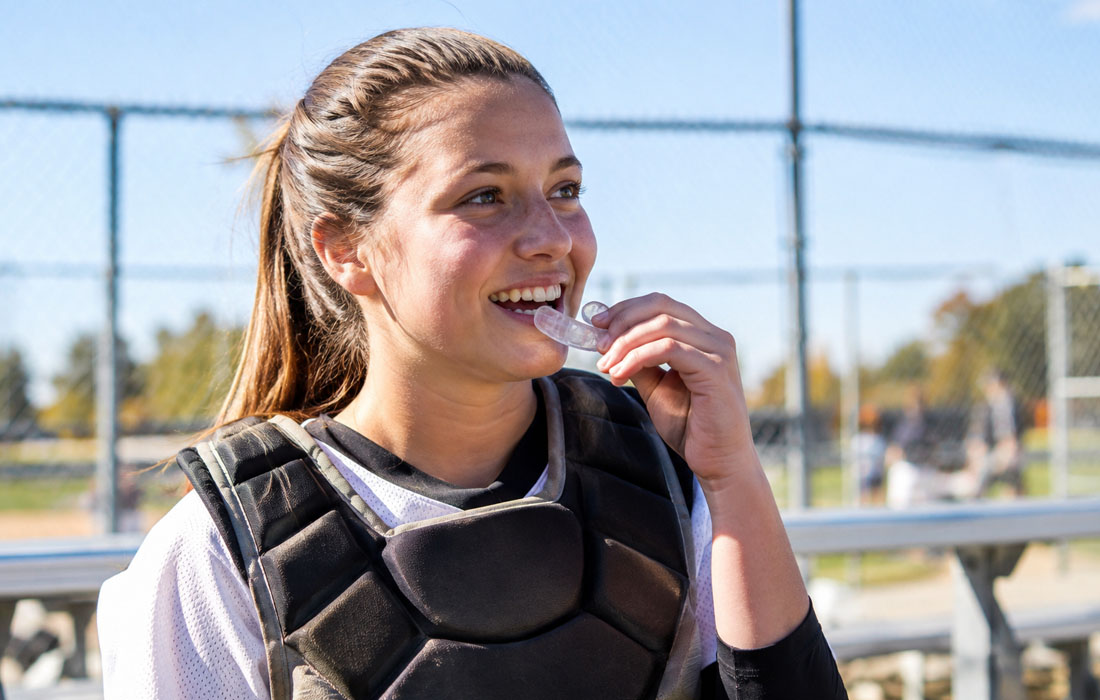
Sports offer many physical and mental benefits, but they also come with a risk of injury. While most athletes focus on preventing sprains or fractures, dental injuries are often overlooked despite being very common. Impacts from tackles, falls, or accidental contact with equipment can lead to chipped or broken teeth, jaw damage, and injuries to the gums and soft tissues. One of the most effective ways to prevent these injuries is by wearing a mouthguard. This simple device cushions impacts and protects the teeth and jaw from sudden force. Understanding the risks and taking preventive measures can help athletes stay safe while enjoying the sports they love.
Common Causes of Dental Injuries During Sports
Dental injuries can occur in a wide range of sports. Activities that involve physical contact or fast movements are particularly risky for the mouth and jaw.
Some common causes of sports-related dental injuries include:
- Collisions with other players
- Falls to the ground or hard surfaces
- Contact with sports equipment
- Accidental elbow or shoulder impacts
- Sudden hits to the face or jaw
Sports like football, basketball, hockey, boxing, martial arts, and skateboarding carry a higher risk of oral injury. Wearing a mouthguard helps absorb shock from impacts by spreading the force across a wider area. This prevents teeth from taking the full blow, significantly decreasing the chance of broken or knocked-out teeth.
How Mouthguards Protect Teeth and Jaw
A mouthguard is a protective barrier between the upper and lower teeth, usually made from flexible, shock-absorbing material. When an athlete is hit in the face, the mouthguard distributes the force evenly across the mouth instead of concentrating it on a few teeth, reducing the risk of fractures, chips, and other dental injuries. Mouthguards also protect the soft tissues inside the mouth. The guard creates a cushion that prevents the teeth from cutting the lips, cheeks, and tongue during impact. Additionally, they help stabilize the jaw, which can reduce the likelihood of jaw injuries and other facial trauma. These benefits make mouthguards essential safety equipment for athletes.
The Importance of Consistent Use
While many athletes own protective equipment, they don’t always wear it consistently. Some players remove their mouthguards during practice or forget to use them during casual games. However, consistent use is critical for preventing injuries, as dental accidents can happen at any time, even during training. Athletes who wear a mouthguard during both practice and competition have the best protection. This consistency ensures the teeth and jaw remain safe throughout all athletic activities. By making protective gear a regular habit, athletes significantly reduce their risk of unexpected dental injuries. Safety is most effective when it becomes routine.
Protecting Young and Amateur Athletes
Young athletes are particularly vulnerable to dental injuries, as their teeth and jaws are still developing. An impact during sports can lead to long-term damage if the mouth isn’t properly protected. Parents, coaches, and trainers play an important role in making sure young athletes use protective equipment. Teaching children to wear a mouthguard for all sports activities helps create lifelong safety habits. For this reason, many youth sports programs require mouth protection. Instilling proper safety habits early can benefit an athlete throughout their career, preserving their oral health and preventing dental emergencies.
Choosing the Right Mouthguard for Sports
Selecting the right mouthguard is important for both comfort and effectiveness. A properly fitted guard should stay securely in place while allowing athletes to breathe and communicate comfortably.
A good mouthguard should:
- Fit snugly around the teeth
- Stay stable during movement
- Allow clear breathing and speech
- Provide adequate cushioning for impacts
Athletes should regularly inspect their mouthguards for wear and tear. If the material is worn down, it may no longer offer enough protection and should be replaced. Proper care and maintenance ensure consistent safety during training and competitions.
Conclusion
Sports offer great opportunities for fitness and growth, but protecting yourself from injury should always be a priority. Dental injuries can be painful, costly, and even permanent. Wearing a mouthguard significantly reduces the risk of broken teeth, jaw injuries, and other damage to the mouth. By making dental protection a regular part of their routine, athletes can stay safer while performing at their best. This simple safety measure can make a huge difference in preventing serious oral injuries and maintaining long-term dental health.