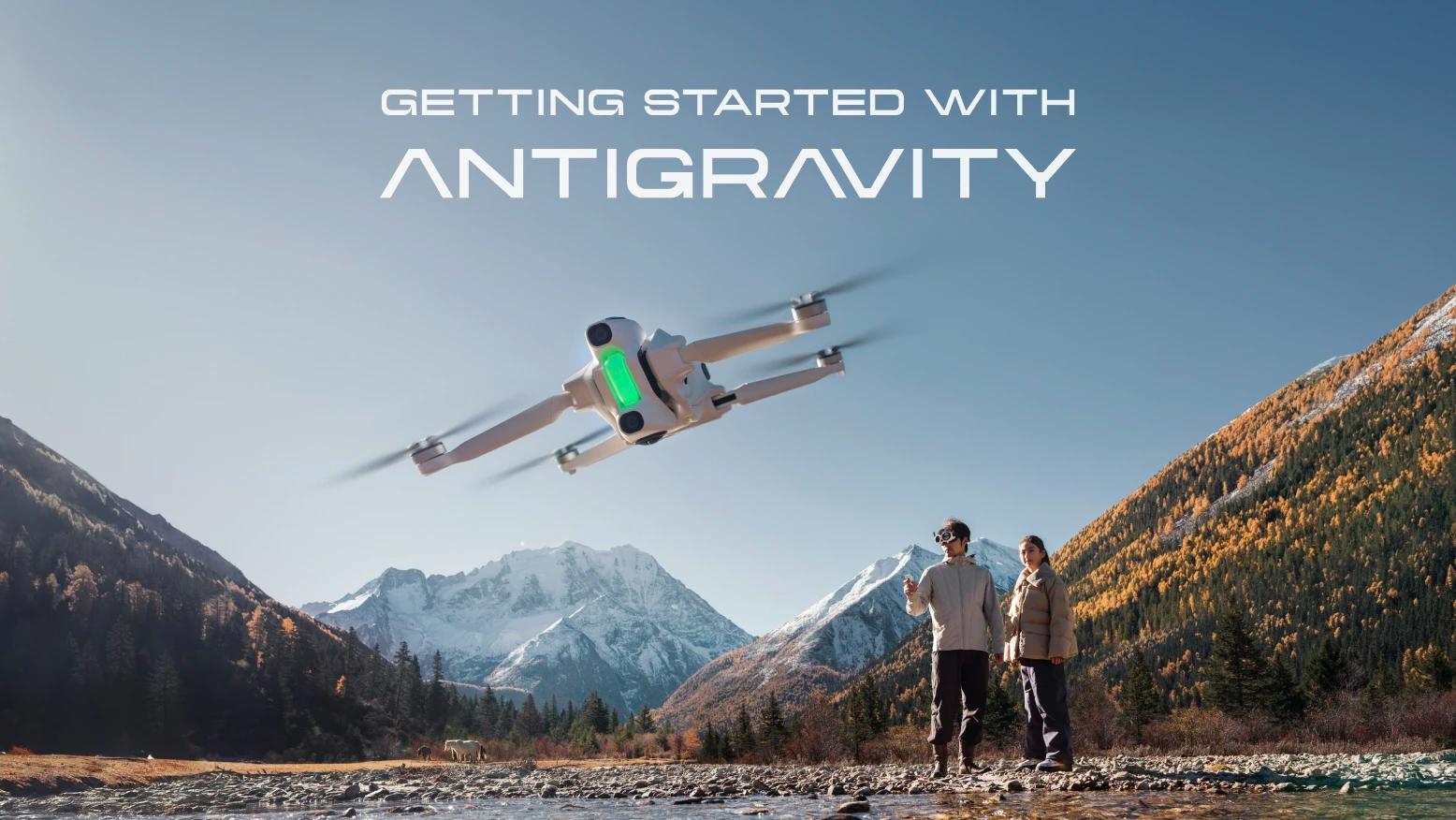
Antigravity A1 Vision Goggles and DJI Goggles N3 create very different viewing experiences because their field of view are not close. Antigravity A1 Vision Goggles use a 90° diagonal field of view per eye, while DJI Goggles N3 offers 54° diagonal, with 47° horizontal and 26.47° vertical coverage. That gap changes more than the size of the image. It affects how much of the scene reaches your peripheral vision, how natural motion feels, and how immersive flight appears overall. If your main question is whether FOV meaningfully changes the FPV experience, the answer is yes, and the difference here is substantial.
A Wider FOV Changes How Large the Virtual View Feels
More Peripheral Vision Makes the Scene Feel Less Screen-Like
A wider field of view reduces the sensation that you are looking at a floating display inside a box when using best drones with camera systems. With more image extending toward the edges of your vision, the scene feels less framed and more surrounding. That matters in FPV because peripheral coverage helps your brain treat the image as space rather than simply video. The Antigravity A1 Vision Goggles push much farther outward than DJI Goggles N3, so the visible scene feels more open and continuous. By contrast, a narrower view tends to keep the picture centralized, which can make the presentation feel more like watching a screen. That difference is often one of the first things users notice when switching between narrow and wide FPV goggles.
A Broader Viewing Area Creates a Stronger Sense of Scale
Field of view also changes perceived scale. When the visible image occupies more of your visual field, objects, terrain, and gaps in the environment feel larger and more spatially convincing. Antigravity A1 Vision Goggles’ 90° diagonal FOV per eye, which is 2/3 larger than DJI Goggles N3, creates a more expansive impression than DJI Goggles N3’s 54° diagonal view. Its 65° horizontal and vertical FOV also gives the scene more height and width around your focus point. On DJI Goggles N3, the tighter 47° horizontal and 26.47° vertical framing can make the environment feel more compressed. In practice, the wider presentation tends to make flight paths, obstacles, and open areas appear closer to real scale rather than miniaturized.
Field of View Also Changes How Motion Feels in Flight
Turns and Direction Changes Feel More Immediate With a Wider View
When the field of view is wider, turns usually feel faster and more immediate because more of the image shifts across your vision at once. That expanded movement at the edges gives stronger visual cues during banking, yaw changes, and quick corrections. Instead of seeing motion mainly in the center, you experience it across a broader area, which makes direction changes feel more connected to your own body position. With a narrower view, motion is still visible, but it can feel more contained and less physically involving. In FPV flight, that difference matters because responsiveness is not only about control input. It is also about how fully the visual system communicates movement, rotation, and positional change.
Speed Feels Different When More of the Scene Moves Around You
Perceived speed is heavily influenced by how much of the scene appears to flow past you. A wider field of view increases that sensation because the environment moves not only ahead of you, but also along the edges of your vision. Trees, ground texture, walls, and horizon lines create stronger motion cues when they occupy more of the visible area. That can make forward flight feel faster, even before actual speed changes. With a narrower display, speed remains understandable, but the sense of rushing through space is usually reduced. For pilots who want a more vivid FPV experience, wider FOV often feels more dynamic because visual motion surrounds the eye rather than staying concentrated in a smaller central window.
Wider Is Not Enough Without Clear, Usable Vision
Edge Clarity Matters More as the Visible Area Expands
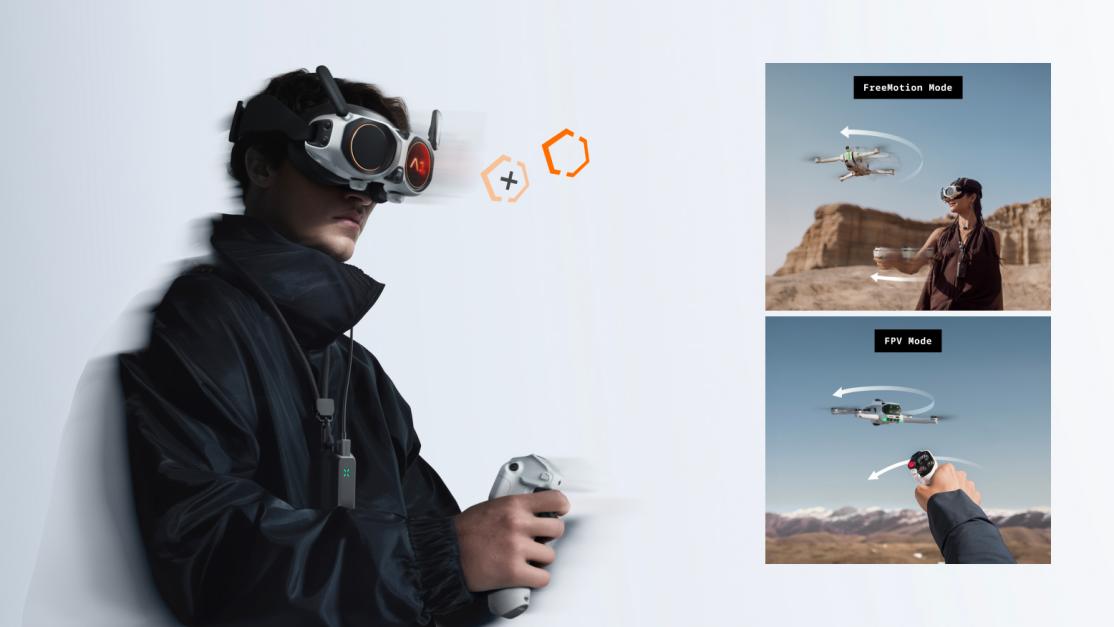
A wider image only helps if the outer areas remain usable. As field of view increases, edge clarity becomes more important because more information sits away from the center. If those edges blur, smear, or lose definition, the practical benefit of extra FOV drops quickly. That is where display and optical design matter. Antigravity A1 Vision Goggles use a Micro-OLED display and a pancake optical system, while DJI Goggles N3 uses a 1080p LCD screen with a folded refractive optical system. Antigravity A1 Vision Goggles also provide 2560 × 2560 effective resolution per eye, compared with 1920 × 1080 on DJI Goggles N3. A larger viewing area paired with stronger optical precision generally preserves immersion better than width alone.
Optics and Eye Position Affect How Much of the FOV You Can Actually Use
Usable field of view depends on fit as much as raw specification. If your eyes are not positioned correctly within the optics, parts of the image can be harder to access comfortably, especially at the edges. Antigravity A1 Vision Goggles support IPD adjustment from 59 to 72 mm and diopter adjustment from +2.00 D to -5.00 D, which helps more users align the image to their eyes without extra eyewear. DJI Goggles N3 does not support adjustable IPD or diopter correction, relying instead on users wearing prescription glasses inside the goggles if needed. That can reduce comfort and make full edge visibility harder to maintain. In practice, better eye alignment can make the stated FOV feel more complete and consistently usable.
Conclusion
Field of view makes a real difference between Antigravity A1 Vision Goggles and DJI Goggles N3. The Antigravity A1 Vision Goggles’ much wider view creates a larger, less screen-like image, strengthens peripheral motion cues, and makes speed and turning feel more immediate. The DJI Goggles N3’s narrower presentation can still deliver a functional FPV view, but it feels more confined and less expansive. Just as important, FOV works best when optics, clarity, and eye alignment support it. Here, the wider field on the Antigravity A1 Vision Goggles is not just a number on a spec sheet. It directly changes how immersive and spatial the flight experience feels.