An accident can turn an ordinary drive through Waterloo into a stressful series of phone calls, appointments, repair estimates, and unanswered questions. Whether the collision happened on a busy city street, near a rural highway, or involved a commercial truck, the priority is safety and medical care. Once the immediate emergency has passed, communication with insurance adjusters becomes an important part of protecting your claim.
People dealing with a serious truck collision may also need help identifying the companies, records, and policies involved. Ball, Kirk & Holm, P.C. works with people facing the difficult aftermath of truck accidents in the Waterloo area, where a crash may involve multiple insurers and potentially multiple responsible parties.
Understand the Adjuster’s Role
An insurance adjuster investigates a claim for an insurance company. The adjuster may request information, inspect vehicle damage, review medical records, discuss fault, and evaluate whether the insurer will make a payment or settlement offer. An adjuster can be polite and helpful, but their role is not the same as serving as your personal advocate.
You may hear from your own insurance company, the other driver’s insurer, a trucking company’s insurer, or several adjusters if multiple vehicles or policies are involved. Start by writing down each caller’s name, company, phone number, email address, claim number, and the date and time of the conversation.
Put Health and Safety First
Do not let an early insurance call distract from medical needs. Seek emergency help when necessary, follow the treatment plan given by your medical provider, and attend recommended follow-up appointments. Pain, stiffness, headaches, or other symptoms may not be fully clear in the first hours after a collision.
Report the crash accurately and obtain the report information if law enforcement responds. In Iowa, drivers involved in a crash causing injury, death, or at least $1,500 in total property damage should contact law enforcement for an investigation when possible. If law enforcement does not investigate, Iowa may require a driver report. The Iowa Department of Transportation explains how to request accident reports and complete an Iowa accident report.
Open the Claim Carefully
It is generally appropriate to notify your own insurer promptly and provide basic facts needed to open a claim. Provide your policy number, the collision date and location, the vehicles involved, and the police report number, if available. Be truthful, but do not fill gaps in your knowledge with guesses.
If an adjuster asks who caused the accident, describe what you personally observed. For example, explain your direction of travel, the traffic signal you saw, or where the impact occurred. Avoid making broad conclusions about fault before all relevant information is available. A crash can involve witness accounts, roadway conditions, vehicle damage, camera footage, and other evidence that is not immediately visible.
Use Clear, Consistent Communication
- Ask the adjuster to send important requests by email or letter.
- Keep copies of everything you provide.
- Respond by the requested deadline when practical, or ask for more time.
- Read forms fully before signing them.
- Ask what a document authorizes before you agree to it.
Be Careful With Recorded Statements
An adjuster for the other party may request a recorded statement soon after the accident. You do not need to guess about speed, distances, injuries, or future medical care simply because a question is asked. It is reasonable to say that you do not know, that you need to review your records, or that you are not ready to discuss a subject.
Short factual answers are often better than lengthy explanations. Do not minimize symptoms to move the conversation along, and do not speculate about what another driver was doing, thinking, or intending. If injuries are serious, liability is disputed, or a commercial vehicle was involved, consider getting case-specific legal advice before giving a detailed statement.
Keep Useful Records and Evidence
A well-organized file can make conversations with an adjuster more productive. Save original photos and videos whenever possible, rather than relying solely on images posted or sent via social media. Write a simple timeline while details remain fresh, including the weather, lighting, road conditions, vehicle positions, and names of witnesses.
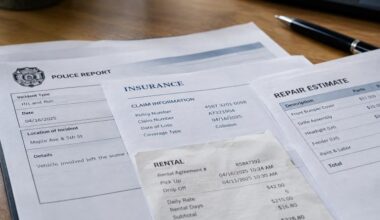
Keep the following materials together in a paper folder or secure digital folder:
- Police report details and correspondence from insurers
- Photographs of vehicles, the scene, injuries, and damaged personal property
- Repair estimates, tow bills, rental vehicle receipts, and repair invoices
- Medical bills, visit summaries, prescriptions, and therapy records
- Notes about symptoms, missed work, and limitations on daily activities
- Witness names and contact information
Document the Full Effect of the Accident
Vehicle repairs are only one part of an accident claim. Keep records of all accident-related costs and avoid discarding damaged personal items until you know whether they need to be inspected. If you miss work, retain pay records and any documentation showing the days or hours missed.
A daily journal can also be useful. It does not need to be dramatic or complicated. Brief notes about pain levels, sleep problems, canceled plans, physical restrictions, and medical appointments can help you remember how the injury affected your routine over time.
Review Settlement Offers Slowly
An early settlement offer may be tempting when bills are arriving, and a vehicle needs repair. Before accepting, make sure you understand what the payment covers and whether signing a release ends your right to seek additional payment related to the accident. Ask for the offer and release in writing, then read every part carefully.
Do not assume a claim is ready to settle before medical needs are understood. A settlement decision should be based on reliable information about property damage, treatment, missed work, and other documented losses, not pressure to resolve the matter quickly.
Special Issues After a Truck Accident
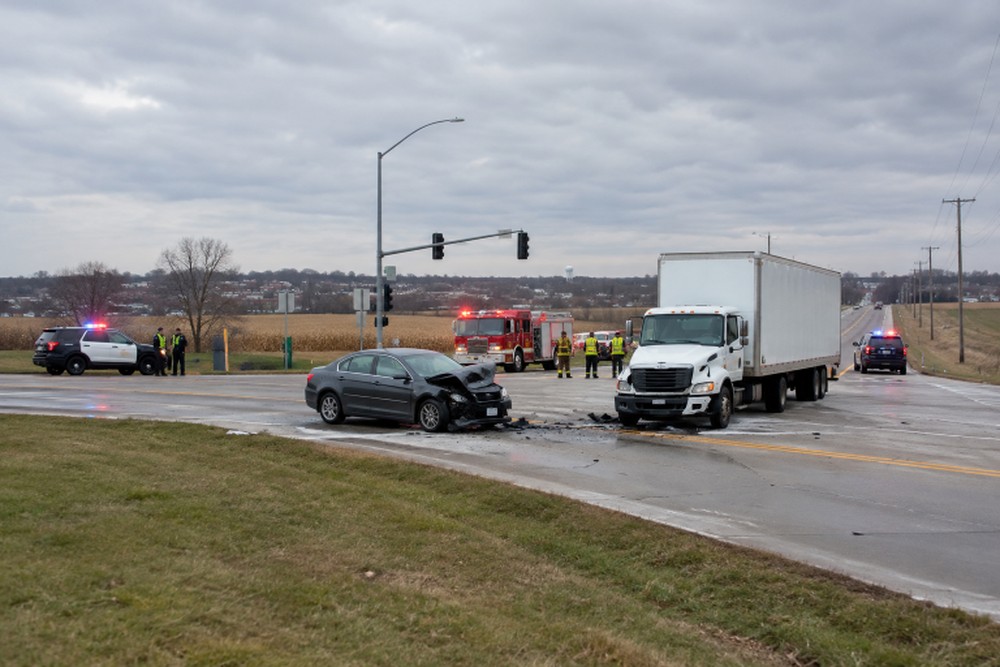
Truck crashes can require added investigation because the driver, motor carrier, vehicle owner, cargo company, maintenance provider, and insurers may all have relevant information. Important evidence may include dispatch communications, inspection records, dash-camera footage, cargo documents, maintenance files, and electronic logging data.
Federal rules also limit driving and on-duty time for many commercial drivers. The Federal Motor Carrier Safety Administration outlines hours-of-service requirements for commercial drivers, although exceptions and the facts of a specific trip may affect how those rules apply. Promptly preserving evidence can be important because some business records and video files may not be retained indefinitely.
Common Mistakes to Avoid
- Giving a detailed statement while injured, medicated, or overwhelmed.
- Guessing about fault, speed, injuries, or future treatment.
- Posting detailed comments, photographs, or opinions about the crash online.
- Throwing away receipts, damaged items, or medical paperwork.
- Signing a release without understanding its effect.
- Ignoring calls from your own insurer instead of responding carefully.
- Waiting too long to preserve truck-related records or camera footage.
Take a Calm, Organized Approach
After an accident in Waterloo, careful communication can help you avoid preventable problems. Focus first on safety and treatment, report the crash accurately, preserve records, and keep conversations with adjusters factual. When the injuries are significant, the facts are disputed, or a truck or commercial company is involved, getting individualized guidance can help you make informed decisions before you sign away important rights.