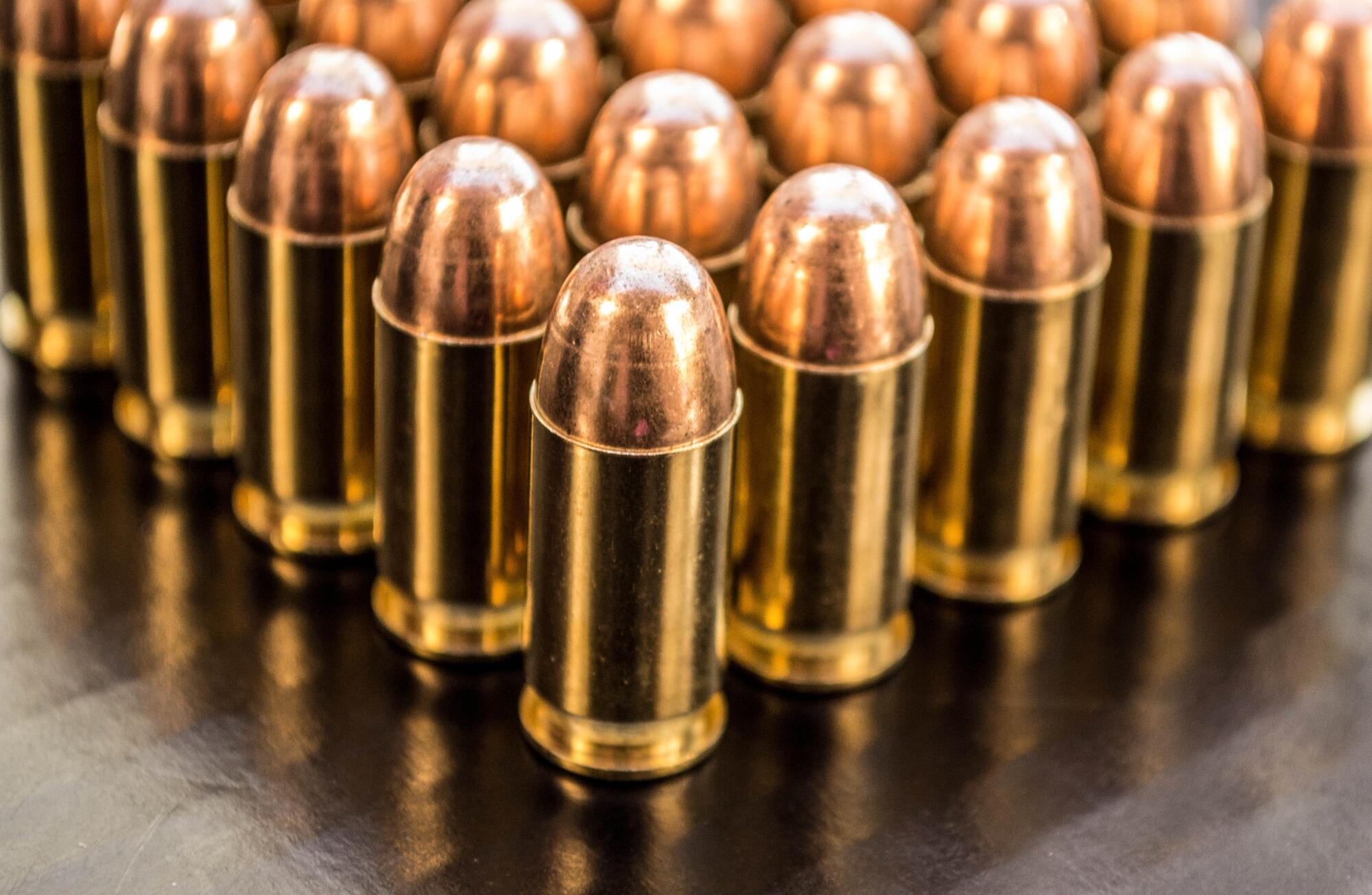
Handloading ammo gives shooters control over accuracy and cartridge supply. Making custom rounds lowers costs and boosts performance for specific firearms. Target shooters and hunters prefer making custom shells on their own bench. Learning each step creates a safe and rewarding hobby for gun owners.
Preparing the Brass Cases
Clean brass forms the base of every safe handloaded round. Check each piece of shell casing for cracks or thin walls before you start. Clean casing metal feeds smoothly through loading gear without harming dies. Dirty brass can scratch die walls and ruin fresh cases fast.
Resizing brings fired cases back to factory specs for smooth feeding. The resizing die makes sure the brass case goes back to the right shape after it has been fired. Proper sizing stops feeding jams in bolt-action or semi-auto guns. Trimming brass back to standard length keeps chamber pressures safe.
Seating Fresh Ignition Compounds
Primers ignite the powder charge inside the case. Picking reliable CCI Primers and other parts creates steady ignition for tight shot groups. Good parts lower misfires and boost reliability at the range.
Seat primers to the right depth inside the case pocket for safety. A well-seated primer should sit roughly .003 to .005 inches below the base of the brass casing. High primers can cause early firing when you close gun bolts. Checking pocket depth keeps every round safe to store in ammo boxes.
Modern non-corrosive primers use lead styphnate and other cleaner chemicals. Clean chemical blends protect gun barrels from rust and cut cleaning time after target practice. Shooters enjoy longer barrel life with modern priming mixes on the range.
Measuring Gunpowder Charges
Accurate powder loads dictate speed and chamber pressure for every shot. Scale checks keep powder weights steady across every single batch. Never go past published load data limits from official manuals. Standard scale checks hold safety standards on your bench.
Steady powder charges yield tight shot groups on target paper. Small weight gaps change bullet impact points downrange. Double-check powder levels in cases before you seat bullets on top. Good light on your bench helps spot empty cases fast.
Using the right powder speed matches set barrel lengths and bullet weights. Slow powders suit long rifle barrels, and fast powders work best in handguns. Matching powder types to your gun gives clean burns and steady speed.
Seating Bullets and Adjusting Crimp
Seating bullets to the right depth keeps correct total cartridge length. Bullet seating dies push bullets smoothly into neck openings without harming tips. Correct seating depth stops feeding jams inside rifle magazines.
Light crimping holds bullets firm against recoil inside magazine tubes. Heavy crimps twist bullet jackets and harm accuracy downrange. Proper crimping keeps bullet placement secure through intense firing cycles. Test seated rounds in your gun chamber to confirm the right fit.
Starting Your Reloading Journey
Building custom ammo offers full control over shooting performance and costs. Following tested load data helps craft safe, accurate ammo for target practice. Step onto the bench with confidence to master handloading ammo today. Take time to stock your bench with trusted tools and start your crafting process today. A good reloading manual is the best first buy for any new handloader.
If you’d like to learn more, check out more articles on our blog.