Key Takeaways
- The right fence starts with its primary job, whether that is privacy, pool safety, pet containment, security, or appearance.
- Ohio properties often need a design that accounts for wet seasons, uneven ground, freeze-and-thaw cycles, and changing backyard use.
- Pool barriers and pet fences require special attention to gates, gaps, openings, and climbable features.
- Material choice affects maintenance needs, visibility, privacy, and the property’s long-term appearance.
- Property lines, utility locations, local rules, and HOA requirements should be reviewed before posts are installed.
Start With the Job the Fence Must Do
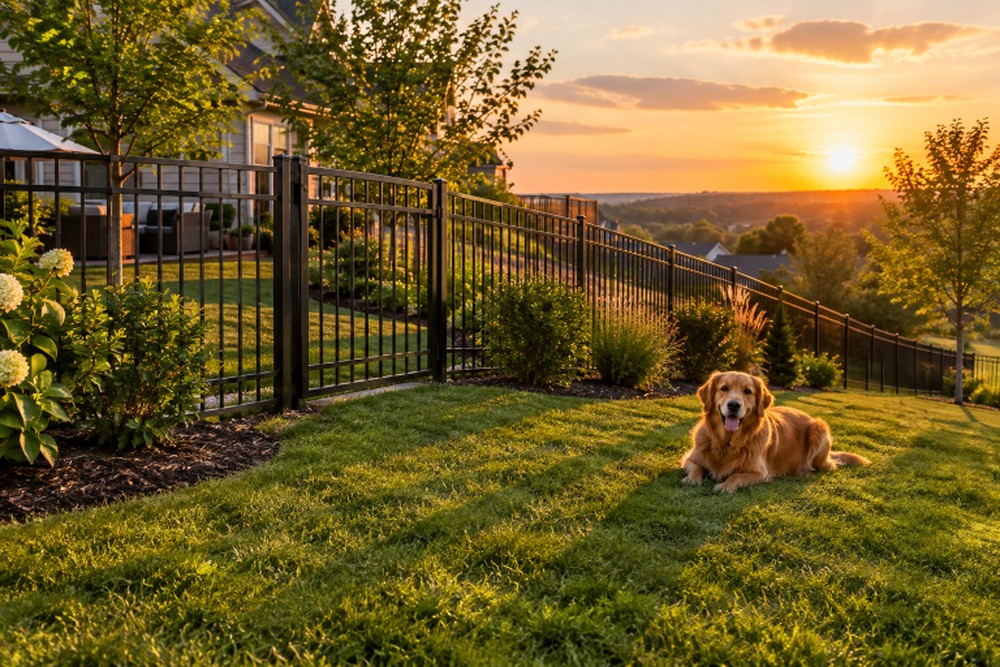
A fence can define a welcoming front yard, create a private backyard retreat, protect a pool area, or give pets a dependable place to play. For Ohio homeowners, selecting a fence means looking beyond the initial appearance and considering the property’s grade, drainage, sun exposure, and everyday routines. Durable aluminum fences built for Ohio weather can be a strong fit where visibility and a clean, open look matter, but another material may better serve a yard that needs full privacy.
Many properties benefit from more than one approach. An open ornamental-style fence can complement a front landscape without hiding the home, while a taller privacy fence can screen a patio, play area, or neighboring backyard. Begin by deciding what the fence must accomplish first. A design that fits the space’s real use will be easier to live with over time.
Match the Fence to Your Main Goal
- Privacy: Solid-panel wood or vinyl designs can help separate outdoor living areas from nearby homes and streets.
- Pet containment: Height, picket spacing, ground clearance, gate latches, and the pet’s digging or jumping habits all matter.
- Pool safety: The fence should serve as a deliberate barrier with controlled access, not merely a decorative boundary.
- Curb appeal: Fence lines, color, height, and materials should suit the home’s architecture and the surrounding streetscape.
- Security: Strong posts, dependable hardware, visible access points, and well-planned gates can make the perimeter more useful.
Compare Common Fence Materials
No single fence material is ideal for every Ohio yard. Use the following comparisons to narrow the choices based on the space’s function.
- Aluminum: Offers an open appearance, useful sightlines, and relatively low routine maintenance. It works well around landscapes, pools, and yards where views should remain open.
- Wood: Provides a traditional look and flexible styling, including solid privacy layouts. It needs periodic attention to protect its finish and address weathering.
- Vinyl: Creates a clean, uniform look and can be a practical choice for privacy. Its panel style and color options should be considered carefully before installation.
- Chain link: Delivers practical coverage and visibility, especially for large areas or active dogs. Privacy slats or landscaping can change their appearance where desired.
- Steel or ornamental iron: Can add a formal, decorative character and a substantial feel, though maintenance of the finish and project costs may be higher.
Plan a Safe Pool Fence
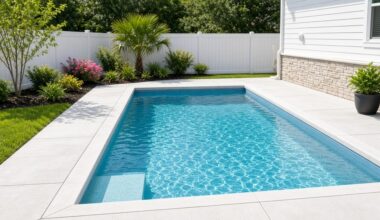
A pool fence deserves a separate planning process because it is part of a larger safety strategy. Review the full fence line for openings, climbable objects, gate access, and the route visitors may take from the house or driveway. The U.S. Consumer Product Safety Commission’s guidance on home pool barriers emphasizes barriers and self-closing, self-latching gates as important layers of protection.
Local pool rules can vary by city, county, and state, so confirm the requirements that apply before selecting a height, gate, or panel style. Keep outdoor furniture, storage boxes, planters, and other objects that could assist climbing away from the barrier. A gate should close and latch reliably every time, without requiring a person to remember an extra step.
Build Around Children and Pets
For dogs and young children, small details often determine whether a fence performs as intended. Check spacing between rails or pickets, the gap beneath each section, and every point where the fence meets a wall, deck, or gate. A small dog may find an opening that a larger dog ignores, while an athletic dog may need more height and a more secure latch.
Dogs that dig may need a reinforced lower edge, buried mesh, or another carefully planned deterrent along the perimeter. Gates should be convenient enough for regular use, because a difficult gate is more likely to be left unsecured. Inspect the area after heavy rain, erosion, landscaping work, or storm damage.
Handle Slopes and Uneven Ground
Ohio yards are not always flat, and a sloped fence line should be planned before materials are ordered. A stepped fence uses level sections that drop down in increments. A racked or contour-following layout adjusts to the grade, creating a more continuous line. The best option depends on the slope, the fence material, the desired appearance, and the need to avoid gaps near the ground.
Walk the entire route and note drainage paths, retaining walls, mature trees, rocky areas, decks, driveways, and elevation changes. A gate on a slope requires particular care to ensure it has adequate clearance and continues to swing freely after installation.
Balance Privacy With Visibility
Complete privacy is not always the best choice for every side of a property. Solid panels can make a backyard feel more secluded, while open fencing can preserve views, allow sunlight across landscaping, and help smaller yards feel less enclosed. Visibility is also valuable near driveways, sidewalks, corners, and pool areas where people need clear sightlines.
A mixed layout can solve competing needs. For example, use privacy panels along the patio and rear neighbor line, then transition to an open design near the front yard. This approach can create a purposeful look instead of making the whole property feel closed off.
Check Rules, Boundaries, and Utilities Before Digging
Before finalizing a layout, review the property survey, recorded easements, municipal restrictions, and any HOA standards. Height limits and placement rules may differ between backyards, front yards, corner lots, and areas near sidewalks. Discussing a shared boundary with a neighbor early can also reduce confusion later.
Post holes require excavation, so homeowners should contact OHIO811 before digging to start the utility-location process. Utility markings do not establish property lines, and a survey does not replace the need to protect buried infrastructure. Both steps matter before work begins.
Think About Maintenance, Gates, and Long-Term Value
Compare the full ownership picture rather than the initial material price alone. Wood may need staining, sealing, or repairs over time. Metal fencing may need occasional cleaning and inspection of its finish. Every material benefits from periodic checks of posts, fasteners, gates, and areas where soil has settled or water collects.
Gates are usually the most frequently used part of the fence. Plan a walk gate for daily access and, if needed, a wider gate for mowers, equipment, or service access. Confirm the swing direction, latch placement, hinge strength, and ground clearance before installation.
Fence-Planning Checklist
- Identify the fence’s main purpose.
- Measure the proposed route and mark slopes or obstacles.
- Choose materials based on privacy, visibility, maintenance, and style.
- Review local rules, property records, easements, and HOA requirements.
- Plan gates around daily movement and equipment access.
- Check pool and pet safety details, including gaps and latches.
- Arrange utility locating before post holes are dug.
- Review the finished layout before ordering materials.
Common Questions
What fence is best for a sloped yard?
The best choice depends on the grade, soil, drainage, and appearance you want. A stepped layout or a fence that follows the contour may both work, provided the finished design avoids troublesome gaps.
What fence works best for dogs?
Choose based on the dog’s size, jumping ability, digging habits, and temperament. Secure gates and appropriate spacing are as important as the fence height.
Does a fence need to sit on the property line?
Not necessarily. Placement depends on the confirmed boundary, local rules, easements, and the owner’s plan for maintenance access.
Choose the Ohio Property You Actually Have
The strongest fence choice is the one that works in real conditions, from a rainy backyard and sloped side yard to a busy gate used every day. Prioritize the fence’s purpose, then match the material, layout, hardware, and appearance to that purpose. A thoughtful plan can deliver safety, functionality, and curb appeal without asking a single fence style to do every job.