Modern life brings constant digital alerts, intense professional demands, and persistent sensory fatigue. Counteracting this mental strain requires dedicated home spaces intentionally designed for restorative quiet and active leisure. Building an in-home recreation retreat uses architectural physics, color psychology, and ergonomic planning to help families decompress, recharge, and rediscover personal passions.
Neurological Environmental Design
Interior architecture directly shapes brain wave activity, cortisol output, and nervous system balance. Choosing the right wall colors, ceiling forms, and lighting systems lays the groundwork for emotional restoration.
Visual Simplicity and Hidden Storage Systems
Visual clutter generates subtle, persistent mental fatigue by keeping the brain in an active state of micro-processing. A true recreation retreat uses floor-to-ceiling recessed cabinetry to store books, media electronics, games, and hobby gear out of view. Keeping clean drywall planes, hidden flush doors, and clear surfaces allows the eyes to rest, lowering heart rates and encouraging focused immersion in calming activities.
The Psychology of Organic Materials and Tones
Synthetic surfaces, high-gloss lacquers, and harsh cool whites often feel cold and sterile. Choosing organic materials like raw white oak, porous travertine, brushed wool, and woven linen brings comforting warmth into the room. Earthy colors, such as muted sage green, deep warm taupe, and soft charcoal, echo natural woodland landscapes, encouraging the brain to drop its defensive focus and transition into restful reflection.
Creating Zones for Active and Passive Rest
Recreation spans both quiet contemplation and active play. Thoughtful floor plan layouts create dedicated zones for different leisure activities without letting them intrude on one another.
Acoustic Entertainment and Reading Alcoves
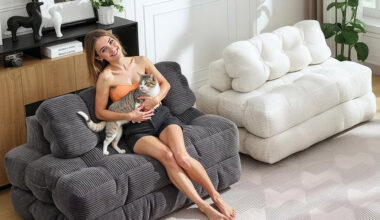
An open-concept room can support both lively gaming and quiet reading when planned with sound-dampening architecture. Recessed reading nooks lined with velvet cushions, directional reading lamps, and sound-absorbing acoustic ceiling baffles create peaceful reading alcoves. Nearby, media zones can feature custom acoustical fabric wall panels that contain movie sound and gaming audio, keeping the rest of the house quiet.
Seamless Garden Integration and Luxury Pools
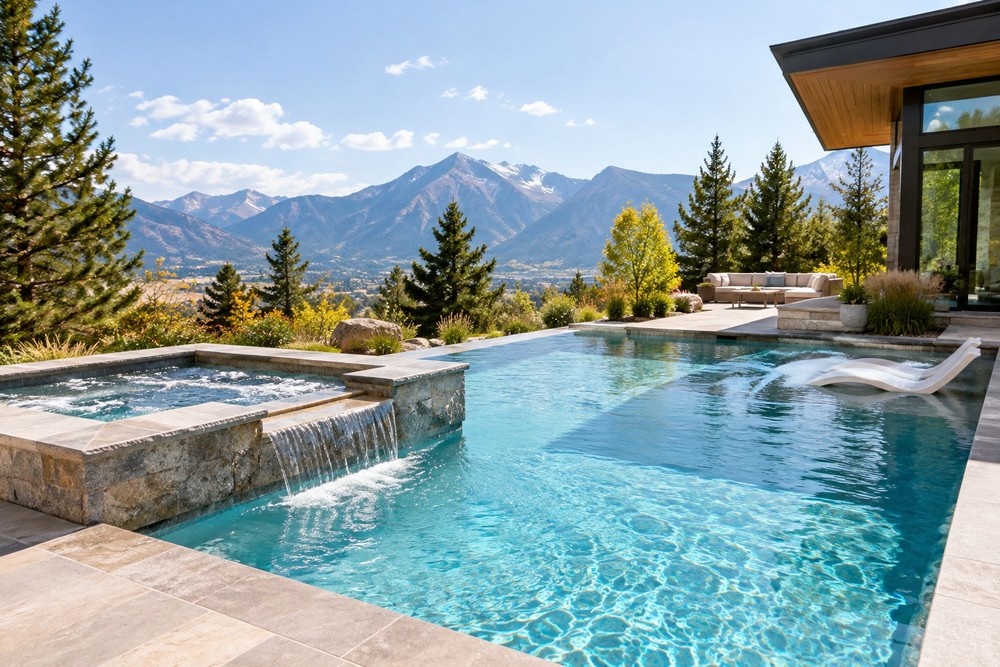
Active recreation extends naturally past the back patio into the fresh outdoor air. Property owners seeking holistic year-round living often invest in luxury pools in Utah to serve as the scenic centerpiece of their private sanctuaries. Custom infinity spillways, integrated shallow tanning ledges, and heated volcanic spa basins provide year-round hydrotherapy that eases muscle tension while reflecting the changing mountain skies. Surrounded by fragrant pine trees, smooth flagstone pathways, and sculptural outdoor art, the aquatic basin connects indoor recreation with the healing calm of nature.
Optimizing Environmental Conditions for Rest
A retreat room cannot provide true relaxation if the temperature feels stifling, the air smells stale, or outside traffic noise breaks the silence. Precision climate control is essential for long-term comfort.
Dedicated Multi-Stage HVAC and Quiet Air Delivery
Standard heating and cooling registers often produce distracting air rushes and noisy mechanical rattling. Installing low-velocity fan coils with oversized ductwork delivers conditioned air silently into the room. High-efficiency MERV filtration systems continually scrub out allergens, dust, and outdoor smoke, ensuring every breath supports deep lung recovery during leisurely weekend afternoons.
Sound Isolation Through Decoupled Wall Assemblies
Protecting interior peace requires stopping street traffic, barking dogs, and adjacent household noise from leaking inside. Building quiet rooms with double-stud wall framing, dense mineral wool insulation, and multiple layers of drywall mounted on resilient sound clips breaks the path of sound vibrations. Installing solid-core wood doors with drop-down bottom seals ensures outside disruptions cannot penetrate the peaceful retreat.
Tailoring Spaces for Analog Pastimes
While modern digital entertainment offers fun, analog pastimes provide a unique form of screen-free mental relaxation. Designing custom workstations tailored for hands-on creativity helps soothe mental exhaustion.
Ergonomic Crafting, Library, and Listening Stations
Hands-on hobbies like drawing, listening to vinyl records, or writing journals require specialized physical setups. Custom solid-wood tables built with adjustable worktop angles provide comfortable support for the neck and back during artistic projects. Built-in storage cubbies keep records, drawing paper, and fine pens neatly organized, turning creative time into a relaxing, mindful ritual.
Integrating Natural Daylight and View Corridors
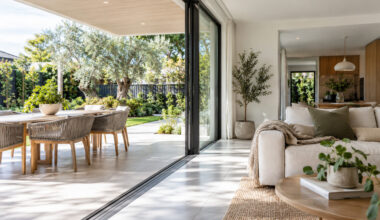
Human eyes relax when focusing on distant horizons after hours of viewing close-up screens. Angling primary lounge chairs toward large picture windows frames outdoor mountain peaks, flowing trees, or open water features. Natural morning daylight resets our internal biological clocks, ensuring that time spent unwinding indoors leaves us feeling genuinely refreshed, focused, and ready for the week ahead.