Keeping every room comfortable during the summer can be challenging, particularly in older homes, renovated spaces, or houses with uneven temperatures. Traditional central air conditioning works well for many properties, but installing or extending ductwork is not always practical. Choosing the right cooling system depends on your home’s layout, existing equipment, comfort requirements, and long-term plans.
For homeowners considering an alternative, ductless mini split installation in Akron, OH may offer a practical way to improve indoor comfort without adding extensive air ducts. These systems deliver conditioned air directly into individual rooms, allowing households to manage temperatures in specific areas rather than relying entirely on a central system.
How Does Ductless Air Conditioning Work?
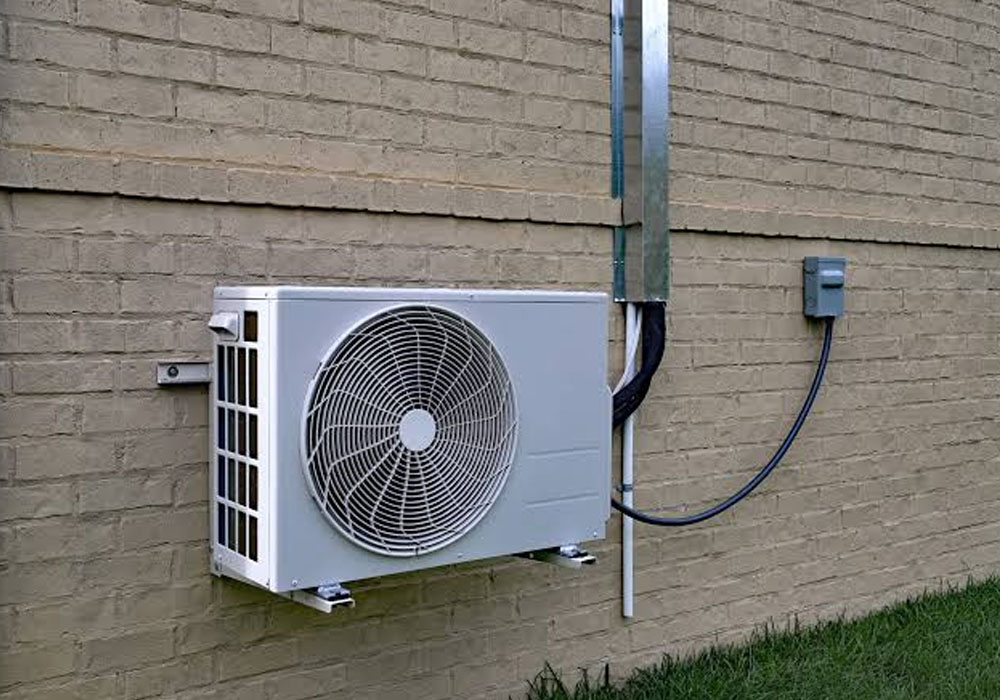
A ductless mini-split system typically consists of an outdoor compressor or condenser connected to one or more indoor air-handling units. Refrigerant lines run between the components, transferring heat out of the home during cooling. The indoor units distribute cooled air directly into their designated spaces without requiring a network of supply ducts.
Many systems also provide heating through a heat pump, which transfers heat between the indoors and outdoors. This can make ductless equipment useful beyond the summer months, although performance in cold weather depends on the specific model and its capabilities.
Because individual indoor units serve separate rooms or zones, occupants can adjust temperatures according to their preferences. This arrangement can be especially useful in homes where certain rooms receive more sunlight or are occupied at different times of the day.
When Is a Ductless System a Good Choice?
Ductless air conditioning is particularly suitable for homes where installing conventional ductwork would require significant alterations. However, the best application depends on how the property is used and which areas need cooling.
Older Homes Without Existing Ductwork
Older properties may rely on window air conditioners, portable cooling units, or other arrangements because they were not originally designed for central air conditioning. Installing new ducts can involve opening walls, modifying ceilings, or sacrificing valuable space.
A ductless system provides another option by connecting indoor units to an outdoor unit through refrigerant lines and a relatively small wall opening. This can reduce the need for extensive structural changes while providing more permanent cooling.
Home Additions and Converted Spaces
Finished basements, attic bedrooms, garage conversions, and newly constructed additions can develop different temperature patterns from the rest of a house. Extending existing ductwork into these areas may be difficult or may require changes to the current HVAC system.
A ductless unit can serve a specific space without depending on the existing duct network. This is particularly helpful when the original heating and cooling equipment was not designed to accommodate the additional area.
Rooms With Uneven Temperatures
Some homes have bedrooms that remain warm at night, upstairs rooms that overheat in summer, or home offices that need cooling during working hours. These problems may result from sunlight exposure, insulation differences, restricted airflow, or an HVAC system that does not distribute air evenly.
Ductless zoning can help address room-specific comfort needs. However, persistent temperature differences should be investigated to determine whether insulation, ventilation, or other underlying issues also require attention.
What Are the Main Benefits of Ductless Air Conditioning?
One of the most useful advantages of a ductless system is independent temperature control. Depending on the equipment configuration, different indoor units can serve separate zones, allowing occupants to adjust settings without changing the temperature throughout the entire home.
Ductless equipment can also reduce energy losses associated with leaky or poorly insulated ductwork because it delivers conditioned air directly into living spaces. Actual energy consumption depends on the system’s efficiency, installation quality, climate, and how the equipment is operated. A ductless unit does not automatically guarantee lower utility bills in every household.
Another consideration is operating noise. Indoor units are generally designed for quiet operation, which can make them suitable for bedrooms, offices, and other spaces where noise matters. Compact indoor units can also be mounted on walls or ceilings, although their appearance and placement should be considered before installation.
These benefits are most valuable when the equipment is properly sized and matched to the areas it needs to serve.
What Factors Should You Consider Before Installation?
Selecting a ductless system requires more than measuring a room and choosing an air conditioner with sufficient cooling capacity. The equipment must suit the home’s layout, insulation, occupancy, and electrical setup.
Consider the following factors when evaluating your options:
- Home size and layout: Determine whether you need to cool one room, several separate zones, or most of the house. The number and placement of indoor units affect comfort and overall system design.
- Cooling capacity: An undersized system may struggle to maintain comfortable temperatures, while an oversized unit may cycle inefficiently or provide inadequate humidity control. A professional load calculation helps establish the appropriate capacity.
- Energy efficiency: Compare efficiency ratings, operating requirements, and expected usage. A higher-rated system may reduce energy consumption, but the overall benefit depends on the home’s conditions and operating habits.
- Installation requirements: Consider indoor unit locations, outdoor equipment placement, refrigerant line routing, drainage, electrical capacity, and local requirements.
- Budget and long-term needs: Evaluate the complete installation cost alongside expected operating expenses, maintenance requirements, and the possibility of expanding the system later.
Taking these factors into account helps prevent decisions based solely on the purchase price or advertised efficiency rating.
What Are the Potential Drawbacks?
Although ductless systems offer flexibility, they are not the ideal solution for every property. Multiple indoor units may be needed to serve several rooms effectively, increasing the initial equipment and installation costs. Wall-mounted units also remain visible, which may influence interior design preferences.
Temperature control is another consideration. A single indoor unit may not distribute air evenly through several enclosed rooms, particularly when doors remain closed or the layout restricts airflow. A system designed for one open area may therefore be unsuitable for a home that requires independent comfort across many separated spaces.
Homeowners should also consider ongoing maintenance. Indoor filters require regular cleaning, and the equipment needs periodic inspection according to manufacturer recommendations. Neglecting maintenance can reduce performance and contribute to operating problems.
Finally, an existing central air conditioning system may already meet the household’s needs. If the main concern is poor cooling in one room, checking the ductwork, air filters, insulation, and system condition may be more appropriate than replacing the entire arrangement.
How Can You Determine the Right System for Your Home?
Start by identifying the rooms that are uncomfortable, the times when problems occur, and whether the issue affects the whole house or only particular areas. Review your existing HVAC equipment, insulation, windows, and ductwork where applicable.
Next, compare ductless cooling with the alternatives. Extending existing ducts may make sense when the current system has sufficient capacity and the additional space can be served effectively. A separate ductless unit may be more practical when the area is difficult to connect to the central system.
A qualified HVAC professional can assess the property’s cooling load, electrical requirements, equipment placement, and zoning needs. The assessment should establish whether ductless equipment is appropriate and explain the advantages and limitations of the available configurations.
Once installed, follow the manufacturer’s instructions for filter cleaning and routine care. Keep the outdoor unit clear of obstructions and arrange professional maintenance as recommended. These measures help support reliable operation over time.
Conclusion
Ductless air conditioning can be a practical choice for homes without existing ductwork, properties with converted living spaces, and households that need better temperature control in specific rooms. Its advantages include flexible installation, independent zoning, and the potential to reduce energy losses associated with ductwork. However, equipment costs, room layout, maintenance, and the home’s overall cooling requirements should all influence the decision.
Before choosing a system, assess your current comfort problems and compare ductless equipment with other suitable options. A qualified HVAC professional can evaluate your home, recommend an appropriate configuration, and help ensure the selected system meets your cooling needs without unnecessary expense.