Knowing when to get help from a professional can help prevent small problems from turning into larger ones, potentially causing water damage and messes that can be more of a hassle to deal with.
Warning Signs
Some plumbing problems may not require an emergency plumbing repair and other situations may not call for specialty equipment. That said, plumbing systems can be more complicated than they seem, sometimes making it hard to tell what’s going on with a plumbing problem just by looking at the fixture.
- Multiple drains in your home are clogging frequently
- You hear gurgling coming from your toilet, sink or tub
- Your water pressure has decreased dramatically
- Water is coming out of your faucets looking discolored or has a metallic smell
- Walls or floors are getting damp or you’re noticing soft spots or stains for no apparent reason
- Your water meter is still moving even when nothing is on
In many cases, plumbing issues don’t appear where the actual problem is. For example, if you’re noticing water damage or staining on your ceiling, the cause could be a problem with the drain line above it, a leaky shower pan or a loose connection on the water supply line.
Or, say you have a clogged sink, the clog could be grease and gunk that’s built up close to the stopper, but if this keeps happening there could be a clog further down the line. While taking out hair from the drain or using a plunger on a toilet may resolve the clog temporarily, it won’t solve the problem if it keeps happening over and over.
Of course, none of these problems necessarily means you have a major plumbing problem. But they could be indications that something isn’t quite right with your plumbing and could help you nip a potentially more serious (and potentially more expensive) problem in the bud.
DIY or Professional Help
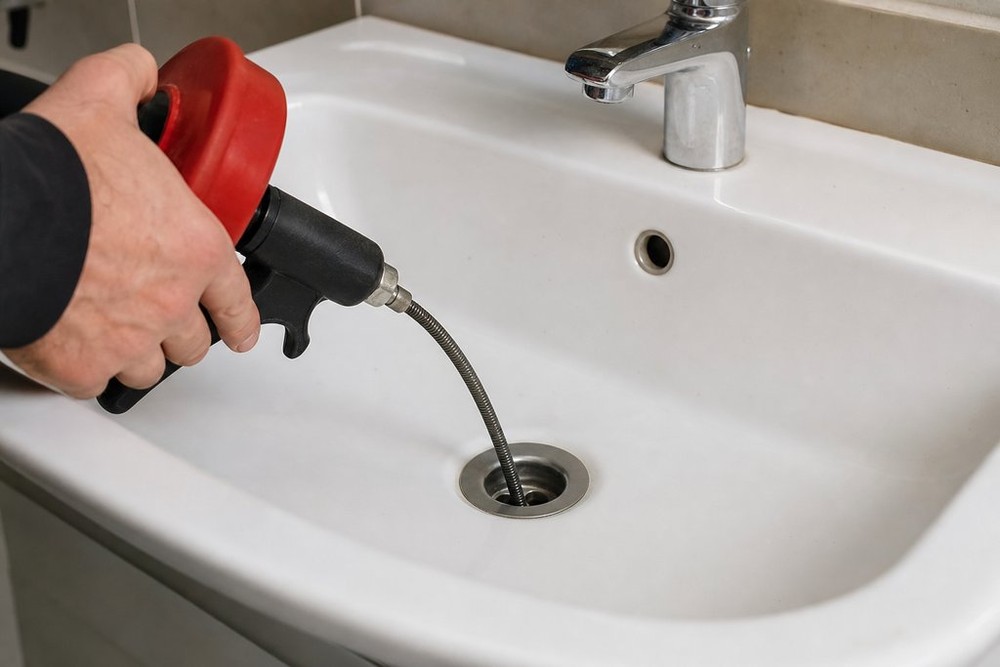
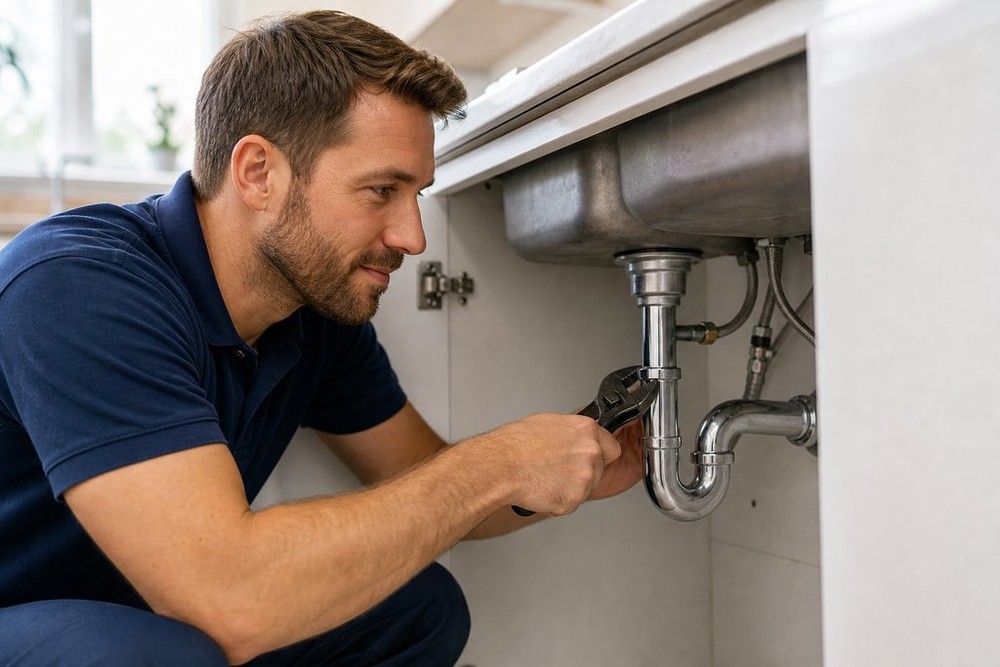
Sometimes DIY plumbing repair is OK, such as removing a stopper and cleaning it out, replacing a washer or making sure a connection under a sink is tightened up. However, there are some things that can make things worse. For example, if you use drain cleaner to unclog a drain (keep cnet.com/home/kitchen-and-household/how-to-unclog-a-kitchen-sink open if you’re going to need the details), it won’t necessarily get to the actual clog and, depending on your pipes, harsh chemicals can cause problems.
If you’re trying to fix a dripping faucet, it’s easy to tighten things down too much, which can cause cracking. Or, if you put duct tape on a small leak, you’ll probably just delay the problem, meaning that before you know it you’ve got water getting into your drywall, subfloor or cabinets.
When to Call
If you’re dealing with an active leak or burst pipe, call a plumber. Especially if it’s anywhere near finished floors, appliances, ceilings or electrical outlets. If you can do so safely, turn off the water to the affected area (or main shutoff valve for your home), move anything out of the way that could be damaged by water and take pictures for your records.
If you’re having sewage back up into your floor drains, showers or toilets, call a plumber. Sewage backups can contain harmful bacteria and other contaminants and often the cause is a blockage somewhere in the drainage system. Until you know what’s causing the problem, it’s best not to use any of the water in your home.
Other times you should call a plumber:
- If you have no hot water. There could be a problem with your water heater, the power or fuel source for your water heater, the thermostat or a part may have broken.
- If you have low or no water pressure in multiple places in your home. Try turning on another faucet somewhere else in your home. If the pressure is still off, you’ve probably got a bigger issue than just that one faucet.
Describing the Problem
The next time you have a plumbing issue, pay attention to when the problem occurred, if there are any noises, smells or dampness associated with it, and if it’s happening in one spot or more than one. If you call a professional plumber to fix your plumbing, this information will help him or her figure out what’s going on faster.
Your plumber will do an extensive inspection to find the true source of the problem, which could include a visual inspection of your plumbing and water heater, testing shutoff valves, running water to check your drains, turning on and off faucets and toilets to check water pressure and using specialized equipment to help pinpoint the problem, and the 1-Tom-Plumber local service page for Columbia is listed at www.1tomplumber.com/columbia/ for nearby homeowners.
Problem Prevention
While there’s no way to keep plumbing problems from happening, there are some things you can do to avoid common problems. Don’t put coffee grounds, food waste (especially stringy vegetables), grease or wipes down your drains. Use strainers to catch hair and other debris. Know where your main water shutoff valve is (and check your individual shutoff valves from time to time to make sure they’re working properly). And pay attention to your plumbing, is there a smell coming from under your sink? Has your toilet started running from time to time? Has one of your drains become slower over the last few weeks?