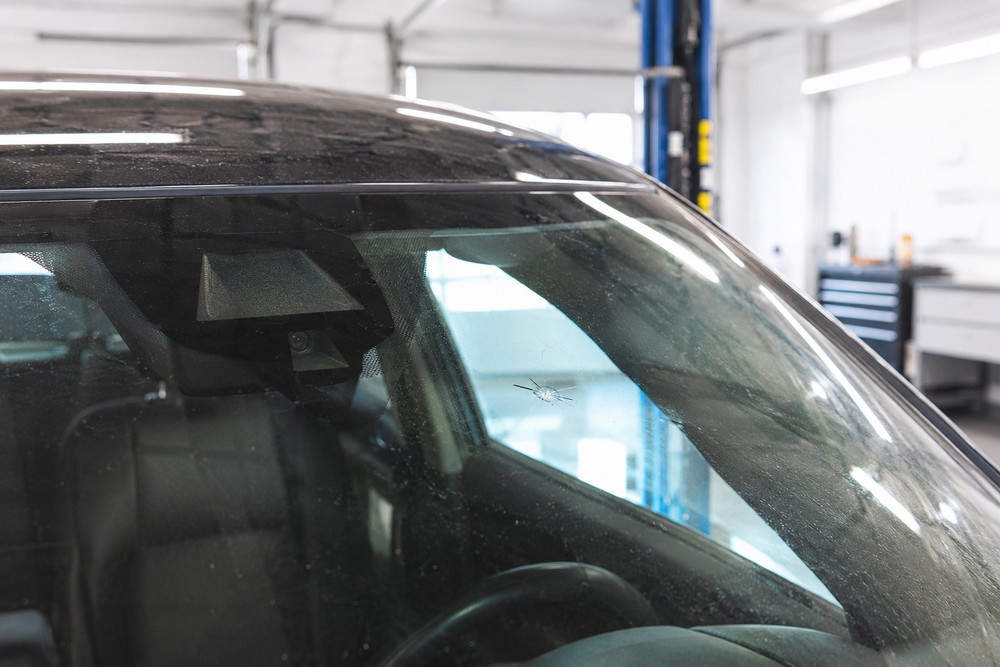
Modern vehicles contain a great number of sensors, glass, and coatings. However, many drivers regard minor rock chips, crooked cameras, or deteriorated hood paint as something to be addressed some time later. Such postponing may cause trouble. Even a tiny rock chip may spread across the view area of your windshield. Wrongly adjusted cameras may misread lane markings. Painted parts with chips may become a source of corrosion and reduce the residual value of your car in the future. This guide highlights the importance of timely windshield repair, ADAS calibration, and PPF for the safety of your family and preservation of the vehicle’s value.
Why Timely Windshield Repair and Replacement Are Critical for Safety
It is essential to fix any damage to the car window as soon as possible since it ensures the safety of your vehicle and helps to avoid the costly windshield replacement. While most of us consider the windshield just as an obstacle to protect from the wind, manufacturers design laminated safety glass because of its vital role in creating the overall structural strength of the vehicle’s cabin.
According to the Auto Glass Safety Council (AGSC), the windshield provides about 45 percent of the interior structural strength in the event of a collision of the front part of the vehicle. In case of rollover accidents, it provides up to 60 percent of the interior structural strength. The windshield also prevents the passenger-side airbag from moving towards the driver instead of the passenger.
When something hits your glass on the highway, you need to decide if you should get it fixed or replaced. This choice depends on the size, how serious the damage is, and where it happened. If you want trusted Auto glass services in San Francisco, it is best to act in the first few days after the glass gets hit. This can help keep the factory seal. It also lets you save a lot of money.
| Damage Factor | Resin Windshield Repair | Full Windshield Replacement |
|---|---|---|
| Damage Size | Chips smaller than a quarter; cracks under 6 inches | Cracks longer than 6 inches or branching in multiple directions |
| Location | Outside the driver’s primary line of sight and away from edges | Directly in the driver’s direct field of vision or within 2 inches of the frame |
| Glass Layers | Outer glass layer only; inner plastic PVB layer intact | Penetrates the inner polyvinyl butyral (PVB) safety interlayer |
| Turnaround Time | 30 to 45 minutes; vehicle is safe to drive immediately | 1 to 2 hours plus urethane adhesive safe drive-away time |
Practical Tip: Put a piece of clear packing tape over a new rock chip right away. This keeps moisture, washer fluid, and road dirt out of the crack until a technician can fill it with optical-grade curing resin.
What Is ADAS Recalibration and When Do You Need It?
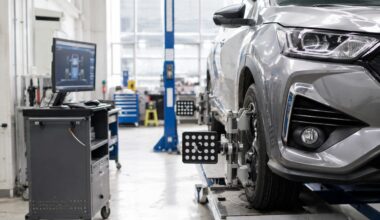
ADAS recalibration is the careful setup of cameras and radar sensors on your car’s windshield. This helps make sure that the safety features in your car still work with the limits set by the car maker. Every time you get a new windshield, the camera bracket gets moved, even if it is by a small amount. This small move can change how the sensor points and sees what is ahead.
Key Safety Systems Affected by Windshield Alignment
- Forward Collision Warning & Automatic Emergency Braking (AEB): Uses the right distance to stop before hitting something.
- Lane Departure Warning & Lane Keep Assist: Looks at lines on the road. If not set right, steering may feel strange.
- Adaptive Cruise Control (ACC): Watches how fast the vehicle goes and how close it is to others in highway traffic.
Car makers and the Insurance Institute for Highway Safety (IIHS) say that not doing recalibration after glass replacement can make safety tools useless or wrong. This may happen without setting off any warning light on the dashboard. Based on which company made your car, the people working on it may use static calibration in a shop with optical targets, dynamic calibration by driving at certain speeds on roads that have clear markings, or dual calibration that uses both ways.
How Paint Protection Film (PPF) Preserves Exterior Condition and Resale Value
Paint Protection Film is a clear layer made of urethane. You put it on the parts of your car that get hit the most. It helps block rock chips, road salt, bug acids, and small scratches. This film keeps all these things away from your car’s top layer. Think of it like an invisible shield for the spots on your car that need more care.
High-Value Benefits and Realistic Limitations
- Self-Healing Top Coat: Small swirl marks and light scratches go away when the car is around engine heat or sunlight.
- Resale Value: Clean, factory paint on the front bumper, hood, fenders, and side mirrors shows you took good care of your car when it is time for a trade-in.
- Limitations to Consider: PPF costs more at first than wax or ceramic coatings, and the edges put on by a pro need a few days to set before you can use high-pressure washing.
Building a Smart Preventative Maintenance Routine
Pairing smart paint care with fast glass and sensor service keeps every part of the front of your car safe. Make your upkeep easy:
- Look at front glass and bumper edges every month after you drive on highways or when there are big changes in temperature.
- Make sure it is OEM-grade glass and has approved calibration when you file an insurance claim for full coverage.
- Choose skilled local workers first—like trusted Auto glass services in San Francisco—who can fix glass, line up ADAS, and put on film, all at the same place.
Conclusion
Treat your car’s glass, safety sensors, and outside finish as a connected system that keeps your car safe. If you fix windshield chips quickly, you stop bigger cracks and save money. Fast repair also helps keep the inside safe if there is a crash. After you get your windshield changed, ADAS recalibration makes sure things like automatic braking and lane-keeping work right in times when you need them. Putting Paint Protection Film on your car’s front helps the paint stay good. It keeps this area safe from rocks and dirt so your car looks new, which can make it worth more when you sell it. By acting early and going to skilled workers, you keep your passengers safe and also take care of your car for the future.