Bog mats have become an essential tool in construction, agriculture, events, and environmental management where ground protection is a priority. These durable, portable mats provide a stable surface, preventing soil compaction and damage to sensitive landscapes. Understanding the types, benefits, and applications of bog mats is crucial for professionals seeking effective ground protection solutions.
What Are Bog Mats?
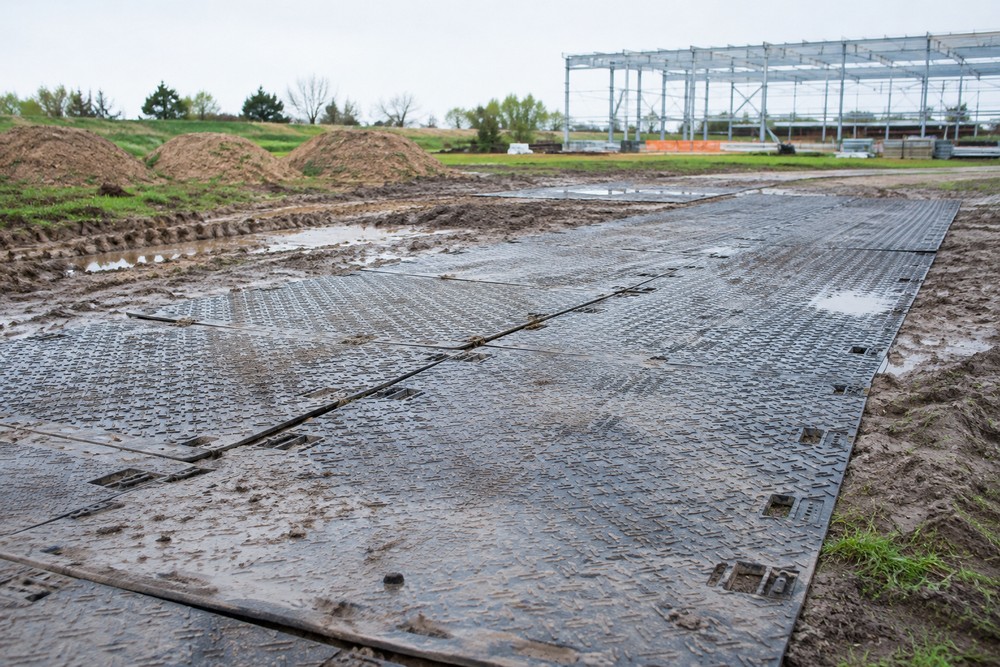
Bog mats are heavy-duty ground protection panels designed to provide temporary access roads or stable ground for vehicles and equipment on soft or uneven terrain. Traditionally used in boggy or swampy environments, these mats facilitate the movement of heavy machinery without damaging the ground beneath. Modern bog mats are made of materials such as high-density polyethylene (HDPE) or recycled plastics, offering both strength and environmental benefits.
Materials and Construction
The selection of materials for bog mats plays a vital role in their effectiveness. Plastic bog mats are highly resistant to moisture, rot, and chemicals, requiring minimal maintenance. Alternatively, wooden bog mats, although less common today, offer excellent weight distribution but may degrade over time. The construction often involves interlocking panels to cover larger areas, ensuring stability across various ground conditions.
Benefits of Using Bog Mats
Employing bog mats for ground protection delivers several advantages, making them indispensable in multiple industries. First and foremost, bog mats minimise damage to landscapes, including turf, soil structure, and root zones. This is particularly important in environmentally sensitive areas.
Secondly, bog mats improve site safety by providing a solid, non-slip surface for vehicles and personnel. This reduces risks associated with unstable or muddy terrain. Additionally, bog mats can expedite project timelines by allowing uninterrupted workflow regardless of weather conditions that would typically cause delays due to ground instability.
Environmental Considerations
Ground protection using bog mats helps prevent soil erosion and compaction, preserving the ecological balance of project sites. Their use aligns with sustainable practices by reducing the need for extensive ground remediation after project completion. Many bog mats are manufactured from recyclable materials, contributing further to environmentally responsible construction practices.
Typical Applications of Bog Mats
Bog mats have found applications across diverse fields which require ground stabilisation under challenging conditions. Infrastructure projects such as pipeline installations, road building, and electrical grid expansions often rely on bog mats to protect wetlands and floodplain areas.
In agriculture, bog mats can create access routes for machinery without damaging pastures or cultivated fields, thereby maintaining land productivity. They are also valuable for event organisers who need to protect parks and recreational areas while accommodating heavy foot traffic or temporary parking areas for vehicles.
Access Roads and Temporary Work Platforms
Construction sites frequently use bog mats to establish temporary access roads and work platforms. These provide a stable surface for cranes, excavators, and trucks, enhancing operational efficiency and safety. The ease of transporting and assembling bog mats facilitates rapid deployment, crucial for adhering to project deadlines.
Choosing the Right Bog Mat
Selecting suitable bog mats requires consideration of ground conditions, load requirements, and project duration. For softer, highly saturated soils, thicker mats with higher load capacities are necessary to prevent sinking. Conversely, lighter mats may suffice for foot traffic or smaller equipment.
Interlocking capacity and mat size are also important for conforming to site-specific layout constraints. Ease of installation and removal should be factored in to minimise labour costs and environmental disturbance. Consultation with ground protection specialists can aid in identifying the most appropriate bog mat products.
Maintenance and Storage
Proper maintenance of bog mats extends their service life and maintains their structural integrity. Regular cleaning removes mud and debris, preventing surface wear and facilitating safe usage. Storage in a dry, sheltered environment protects mats from prolonged exposure to UV radiation, which can degrade plastic surfaces.
Cost Implications and Return on Investment
While initial investment in bog mats may be significant, the long-term savings achieved through reduced site remediation, environmental fines, and project delays often justify the expenditure. The reuse potential of high-quality mats further enhances cost-effectiveness across multiple projects and seasons.
Budgetary planning should incorporate the complete lifecycle costs of bog mats, including transportation, installation, maintenance, and return logistics. Procurement from reputable suppliers who guarantee quality and support can maximise return on investment.
Regulatory and Compliance Considerations
Many construction and environmental projects operate under strict regulatory frameworks aimed at preserving natural habitats and soil integrity. The use of bog mats aligns with guidelines established by environmental agencies by mitigating ground disturbance. Documentation regarding the deployment and removal of bog mats can support compliance reporting and audits.
Case Studies and Industry Standards
Various case studies demonstrate the successful application of bog mats in challenging environments, highlighting their role in project success and environmental stewardship. Industry standards concerning load capacity, material safety, and environmental impact guide manufacturers and users in delivering optimal ground protection solutions.
Where to Find Quality Bog Mats
For those seeking reliable ground protection solutions, bog mats from specialised suppliers are accessible. These suppliers offer a range of mat types suited to varying project demands, with expert advice available to ensure optimal selection and application.
Understanding the specifications and certifications available for bog mats enables purchasers to make informed decisions, ensuring compliance with project needs and environmental responsibilities.
Conclusion
Bog mats offer a practical and environmentally sensitive solution for ground protection across numerous industries. Their ability to provide stable surfaces, reduce environmental impact, and enhance project efficiency makes them indispensable on sites with challenging ground conditions. Selecting the right bog mats, maintaining them properly, and working with experienced suppliers ensures maximum benefits and long-term sustainability.