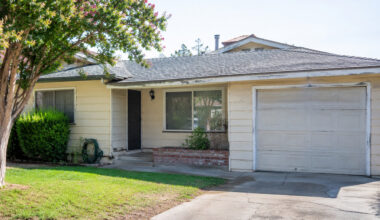
Buying a home in Detroit, Michigan, means considering more than just architectural style, list price, or the name on a neighborhood map. From brick bungalows and historic apartment conversions to condos, co-ops, duplexes, and vacant land, buyers have many property types to consider. The right choice should support everyday life, future plans, and the level of upkeep a household can realistically manage.
For buyers weighing Detroit against the Grosse Pointes, Woodward Corridor communities, or Oakland County, local perspective can be useful. Detroit MI real estate expert Gustaf Andreasen is a Detroit real estate professional whose website covers buying, selling, investment properties, cooperatives, estates, and developer-related services. Gustaf Andreasen brings experience across Detroit and Southeast Michigan, including Detroit, the Grosse Pointes, Woodward Corridor communities, and Oakland County, which can help buyers put differences in property condition and location into practical context.
Start With Your Personal Home-Buying Profile
Before comparing neighborhoods, write down the requirements that will shape the search. A beautiful home can still be a poor fit if it creates an exhausting commute, leaves no room in the budget for repairs, or lacks the space needed for daily life.
- Set a preferred monthly payment, not just a maximum purchase price.
- Choose a realistic maximum commute time for work, school, and frequent family visits.
- List needs such as off-street parking, a garage, a yard, storage, first-floor laundry, or accessibility features.
- Decide whether a move-in-ready home is essential or whether renovation work is acceptable.
- Consider how long you expect to own the property and whether your household may change.
- Identify nearby conveniences that matter, including groceries, health care, parks, restaurants, transit, and child care.
Compare Neighborhoods By Your Real Daily Routine
An open house offers only a brief snapshot. A stronger comparison comes from testing how each area works on an ordinary weekday, a weekend afternoon, and an evening when parking, traffic, or activity levels may differ.
- Drive or take transit along the actual work commute at a typical travel time.
- Map trips to grocery stores, pharmacies, medical appointments, schools, and people you visit regularly.
- Notice street lighting, sidewalk conditions, parking availability, traffic flow, and winter driving considerations.
- Walk a few blocks beyond the listing, rather than evaluating only the house directly in front of you.
- Listen for highway, rail, commercial, nightlife, venue, or industrial noise with the car windows down.
Study The Housing Stock, Not Just The Curb Appeal
Detroit’s housing options can create very different ownership responsibilities. Compare each home based on its construction, systems, documents, and likely maintenance needs.
Common Property Types To Compare
- Single-family homes: They offer privacy and control, but place exterior maintenance and repairs on the owner.
- Condos: Shared maintenance can simplify certain responsibilities, but association fees, rules, reserves, and potential special assessments warrant close review.
- Cooperatives: Co-op purchases can involve a different ownership structure, monthly charges, and approval process than a standard home purchase.
- Multi-family homes: Rental income may help offset costs, but owners should plan for tenant management, utilities, repairs, and financing requirements.
- Historic homes: Original details can be appealing, but roofs, foundations, plumbing, electrical systems, windows, and insulation require careful inspection.
- Vacant land: Zoning, utilities, permits, site conditions, and development costs should be researched before assuming a lot is ready to build on.
Look Beyond The Neighborhood Name
Neighborhood labels are helpful starting points, but the block and parcel matter more than a broad reputation. During visits, look for drainage patterns, sidewalk condition, vacant structures, nearby construction, property upkeep, and the mix of residential and commercial activity. A street that feels quiet at noon may feel very different during a Friday evening or morning rush hour.
Community connections can also reveal how residents communicate about local priorities. The city’s Department of Neighborhoods connects residents with district contacts, block clubs, neighborhood organizations, and city resources. That information can help a buyer understand the local network without treating any single online comment as the full story.
Calculate The Full Cost Of Ownership
List price is only one line in the budget. Build a monthly and first-year estimate for every serious contender, then compare the totals side by side.
- Mortgage principal and interest.
- Property taxes, including the possibility that tax costs may change after a purchase.
- Homeowners insurance and any lender-required coverage.
- Utilities, seasonal heating and cooling costs, and water expenses.
- Routine maintenance, lawn care, snow removal, and appliance replacement.
- Immediate repairs identified before or after closing.
- Condo or co-op dues, along with special assessment risk.
- Renovation, permit, and contingency costs for properties needing work.
Tax figures deserve special attention before an offer is written. Detroit provides an estimated property tax calculation for new buyers, but it should be treated as one planning tool alongside current records, lender estimates, and professional advice. Ask how the complete monthly payment could change after closing.
Review Every Home In Person
Use the same showing checklist for every property so that excitement does not hide a major difference in condition. Look for water stains, musty odors, foundation movement, drainage issues, and signs of deferred maintenance. Ask about the age and service history of the roof, furnace, air conditioner, plumbing, electrical panel, and windows. Test doors, faucets, outlets, appliances, cell service, internet availability, and parking access. When renovations are visible, ask whether required permits were obtained.
Use A Simple Neighborhood Scorecard
Rate each category from one to five after every visit. Write a short note explaining the score, because the reason behind the number will matter when you compare finalists later.
- Daily convenience: Does the location work for the routine you actually keep?
- Home condition: Are repair needs understood, inspected, and financially manageable?
- Total cost: Do taxes, insurance, fees, utilities, and upkeep fit the budget?
- Block-level feel: Does the specific street feel comfortable at several times of day?
- Future flexibility: Could the home still work if your household, job, or ownership plans change?
Final Checklist Before Choosing A Detroit Neighborhood
- Choose three to five neighborhoods for an initial comparison.
- Visit each one more than once and at different times.
- Compare actual listings, not neighborhood averages alone.
- Review taxes, insurance, fees, repairs, and likely maintenance.
- Order inspections and ask detailed questions about condition and permits.
- Select the location that fits both your real life and your sustainable budget.
Choosing a Detroit neighborhood is ultimately a practical decision about how and where you want to live. Careful visits, property-level research, realistic cost estimates, and a consistent scorecard can turn a broad search into a confident home-buying plan.