Rediscovering How Your Space Supports Your Life
Every home carries a rhythm. Some days it hums smoothly, every lamp and latch working in sync. Other days it falters under the weight of forgotten tasks and silent upkeep. Dust creeps across the sills, closets fill with neglected objects, and those once-efficient corners begin to lose their purpose. A yearly renewal is how the rhythm returns.
An annual renewal requires more thought than a weekend cleanup or quick organizing. It understands that maintenance is about harmony between your living space and your changing life. Your home breathes with pipes, wires, and memories. When part is ignored, whole structure suffers. Regaining that rhythm requires intention, not perfection.
It is especially important in regions with long indoor seasons or variable housing needs. Weather, property size, and lifestyle affect how dwellings absorb daily living. A yearly recalibration ensures that your home supports your goals, routines, and comfort when you slow down.
Beneath the Surface: Guarding the Hidden Systems
Most of what makes a solid home is invisible. Filters, insulation, vents, and wiring provide safety and efficiency. These invisible processes deserve as much respect as your decorated environments.
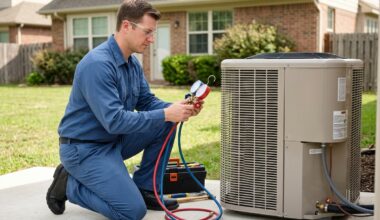
Start where neglect quietly accumulates. A dry vent that gathers lint is a spark waiting for ignition. A clogged gutter can send water spilling into foundational cracks. Filters, when forgotten, allow dust to suffocate airflow and strain your HVAC unit.
Each forgotten task shows how time erodes function. Homes with moist basements or crawlspaces amplify that murmur. A single rainy season can bring pests, rot, and rust. Preventative treatment is less attractive yet revolutionary. It prevents unexpected maintenance and gives your space resilience—the unseen armor that keeps things going when life gets busy.
Roof checks, filter replacements, water heater flushing, and pest control inspections form a network of protection. When each element functions in rhythm, your home breathes easily again.
Reclaiming Forgotten Corners
Spaces like attics, garages, and basements are memory vaults of indecision. Worn-out décor, half-assembled furniture, retired gadgets—all find refuge there. These quiet corners mirror the state of our inner lives: cluttered with what once mattered, hesitant to release what no longer fits.
Start with purpose to reclaim them. Ask what each space should do this year. A unused guest room could become an art studio. Garage storage may become creative space. By redefining neglected areas, you awaken parts of your home that were dormant.
Reusing these rooms encourages inspection. You may find leaks, structural concerns, or wear behind boxes and dust. Regeneration uncovers more than space—it restores awareness. Every area rediscovered restores energy lost to clutter.
Tools that Think Ahead for You
Modern technology gives homeowners the ability to monitor and predict, rather than react. Smart home devices have crossed the line from novelty to necessity.
Smart thermostats quietly monitor HVAC system health and learn your habits. Leak detectors detect moisture before mildew. Energy tracking systems show inconsistencies before problems. Technologies warn early.
Security systems extend beyond protection. When integrated properly, they also watch over logistical areas—entryways, backyards, tool sheds—turning visibility into preparedness. The entire approach shifts from constant manual checking to subtle supervision.
Automation brings peace of mind, but the true advantage lies in knowledge. Knowing when filters were changed or when electricity spikes reveal equipment strain lets you prevent rather than panic.
Making Renewal a Ritual
The shift occurs when rejuvenation no longer feels inconvenient. Instead, it becomes a calendar, season, and mindset cycle. Some families choose to tackle little regions monthly. Some divide the year into quarters for specific goals—winter repairs, spring organization, summer outdoor preparations, and autumn energy efficiencies.
Every ritual requires structure. Create a list that lives digitally, not on a paper that disappears beneath paperwork. Record filter replacements, roof inspections, lighting upgrades, and warranty dates. Over time, this record shapes a narrative of your home’s health. It reveals patterns, predicts replacements, and keeps accountability visible.
Checklists go beyond documentation. A memory map shows how your surroundings responds to your attention each year. With professionals, this history simplifies communication and decision-making. From guessing to knowing.
The Emotional Dividend of Awareness
A well-maintained home rewards its caretakers quietly. It does not demand recognition; instead, it gives back calm. You walk into rooms and nothing squeaks, leaks, or tilts. You breathe fresh air through clean filters and water that tastes pure from flushed pipes.
The feeling of control goes beyond comfort. Reduced home unpredictability improves attention and clarity. Fewer minor glitches simplify decision-making. Your surrounds reflect competence, affecting your daily life.
Maintenance helps sculpt confidence. Saving on repair costs feels practical, but regaining certainty feels profound. The renewal makes your space serve you, rather than the other way around.
FAQ
How long should a full annual renewal take?
The schedule depends on home size and job efficiency. Spreading tasks across four weekends helps homeowners focus. It gives time to assess infrastructure, declutter, and make adjustments without pressure.
What is the most overlooked part of home maintenance?
Dryer vents and gutters often top the list. Their maintenance is simple but ignored, leading to energy waste and water damage. Including them in your yearly checklist prevents costly repairs later.
Are smart devices necessary for a home renewal?
Not required but helpful. Even one smart sensor can spot problems before you do. Timely notifications increase awareness of areas we rarely monitor and lessen anxiety.
How does a home renewal differ from regular cleaning?
Cleaning is aesthetic and surface-focused. Renewal targets structure, systems, and intent. It matches your lifestyle so every corner brings value, utility, or peace rather than clutter.
Can smaller homes benefit from this process?
Absolutely. Compact spaces accumulate wear more quickly because every square foot works harder. Annual renewal keeps limited areas organized and functioning efficiently, protecting their longevity.
What role does climate play in scheduling maintenance?
Environmental factors should guide your calendar. Homes in humid climates need more attention to moisture control and pest prevention. Dry regions require roof integrity and dust filtration checks. Aligning tasks with local conditions enhances effectiveness.
How can I keep momentum once the renewal is complete?
Consider it ongoing observation. Weekly tasks including filter checks, debris cleanup, and sensor alert confirmation prolong results throughout the year. Consistency, not intensity, maintains rhythm.
Why is record-keeping vital for home renewal?
Documenting maintenance provides continuity. It informs future decisions, supports warranty claims, and helps professionals assess existing conditions swiftly. It also creates a tangible reminder that progress exists beyond what meets the eye.
Is it worth investing in professional inspections?
Yes, especially for roofing, plumbing, and electrical. Evaluation by experts reveals what casual observation misses. Professional insight and personal diligence offer complete protection from deterioration.
What emotional benefit arises from an annual renewal?
Ownership and pride return with renewal. Maintenance becomes mindfulness. Each effort creates a functional environment that supports your goals and calms you.