A whole home generator can support an all-electric home, but only when the backup system is sized for the home’s greatest electrical demands and how those demands overlap. All-electric houses depend on power for heating, cooling, cooking, water heating, laundry, and often vehicle charging, so backup planning must go beyond keeping a few lights and outlets on. The key questions are whether the generator can handle peak load, how long it can sustain that output, and which circuits should receive priority during an outage to keep the home safe, functional, and comfortable.
What Makes an All-Electric Home Harder to Back Up?
Multiple Large Appliances May Run at Once
An all-electric home places more demand on backup power because several high-wattage appliances can operate at the same time. A heat pump, electric water heater, induction range, oven, dryer, and air conditioner may each draw substantial power on their own, but the real challenge appears when they overlap. Morning and evening routines often create the highest demand, with cooking, hot water use, climate control, and laundry competing for power together. Unlike homes that use gas for some major systems, an all-electric house shifts nearly every essential function onto the electrical panel during an outage.
Startup Surges Can Push Demand Even Higher
Running wattage is only part of the equation. Many appliances and mechanical systems draw a much larger burst of power when they start. Heat pumps, air conditioners, well pumps, refrigerators, and some compressors can create brief startup surges that push demand above normal operating levels. If the generator is sized only for steady use, these surges may trip protection systems or force certain loads offline. That is why backup planning for an all-electric home must account for both continuous load and momentary peaks. A system that starts major equipment reliably delivers far more practical outage performance.
How Much Generator Power Does the Home Need?
Add Up Essential and High-Power Loads
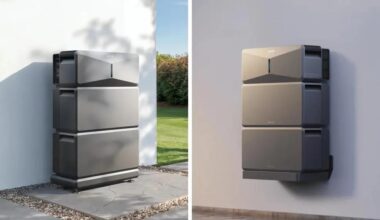
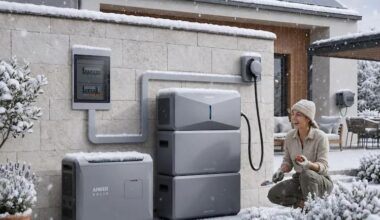
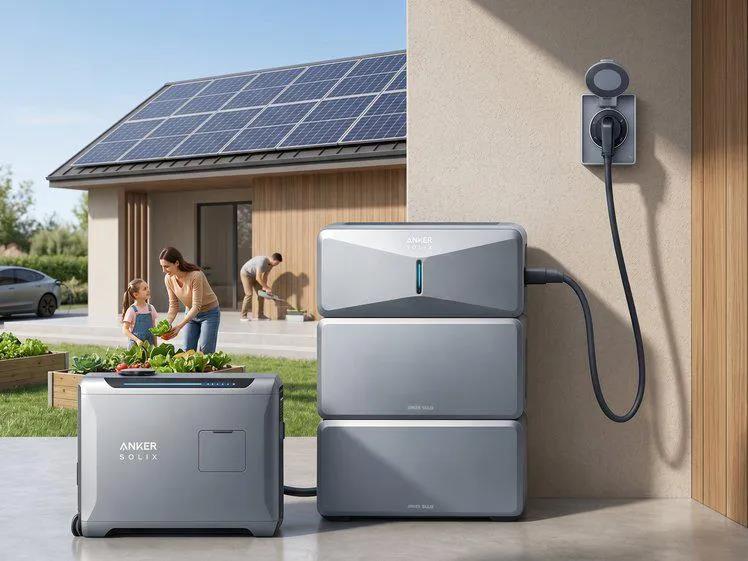
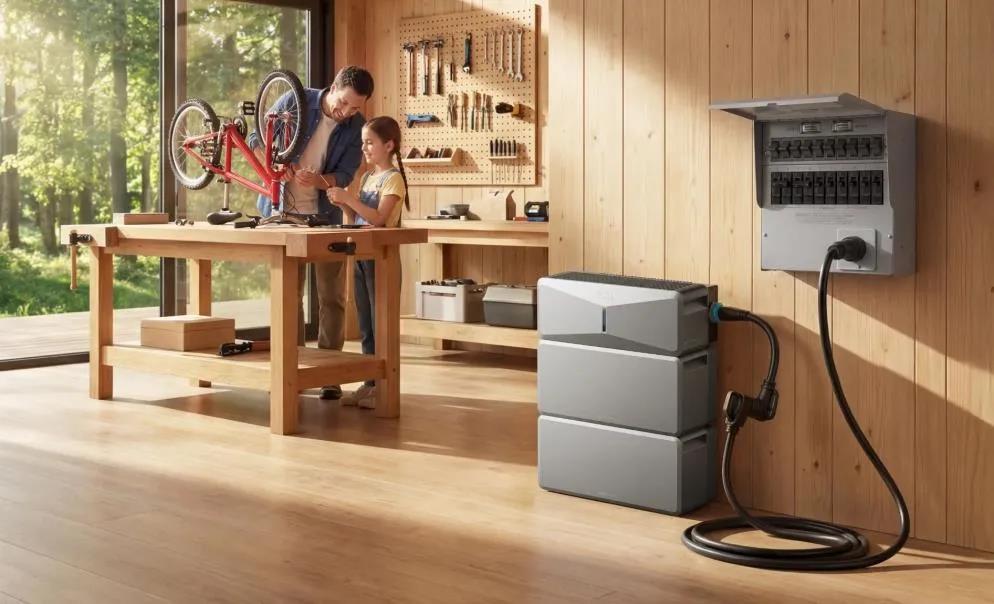
Start by listing the loads that truly matter during an outage, then include the high-power equipment that defines an all-electric home. HVAC, electric water heating, refrigeration, cooking appliances, laundry equipment, lighting, internet, and medical devices often form the core list. Nameplate ratings, breaker sizes, and actual operating patterns help estimate realistic demand. This is also where integrated backup systems can fit the discussion: Anker SOLIX E10 is a Whole-Home Backup System, uniting battery, solar and a smart generator to keep your home always powered with ease. It offers 10-30 kW turbo output, 6-90kWh battery expandability, and 9-27kW solar input.
Plan Around Peak Demand, Not Average Use
Average daily electricity use does not determine generator sizing. Peak demand does. A home may use a modest amount of energy over 24 hours yet still require a large backup system if several major appliances switch on within the same window. That makes panel-level load analysis far more useful than utility bill averages when planning for outages. The objective is to identify the highest likely simultaneous load and confirm that the generator can support it without sacrificing critical equipment. Sizing to peak demand reduces nuisance shutdowns and gives the household more normal operation when utility power goes down.
Decide Which Loads Can Wait During an Outage
A whole home generator does not always need to power every circuit at once. For many all-electric homes, smarter planning comes from deciding which loads deserve immediate backup and which can wait. Refrigeration, internet, lighting, heating or cooling, and hot water may rank above less urgent loads such as a dryer or second oven. Electric vehicle charging is another common load to pause during outages unless ample backup capacity exists. Clear priorities allow the system to support daily essentials first, reduce peak strain, and make a given generator size more effective without overbuilding the entire backup setup.
Keep an All-Electric Home Powered for Longer
Use Load Management to Stretch Available Power
Load management helps an all-electric home run longer and more smoothly on backup power. Instead of letting every major appliance call for energy at the same time, a smart control strategy can stagger operation and prevent unnecessary peaks. For example, the system can delay water heating while the oven is in use or limit dryer operation when HVAC demand is high. This approach protects the generator from overload while preserving power for higher-priority circuits. Effective load management can also reduce fuel use, improve runtime, and make a smaller backup system perform more like a larger one.
Combine Battery Storage and Solar With Backup Power
Pairing a generator with battery storage and solar can improve both resilience and efficiency in an all-electric home. Batteries can handle short-duration loads, ride through brief outages instantly, and reduce generator runtime during lower-demand periods. Solar can recharge batteries during daylight, offset household use, and extend backup endurance in prolonged grid failures. This hybrid approach is especially useful when the home has variable loads throughout the day. Instead of relying on generator output alone, the household gains a more flexible energy system that supports critical circuits continuously and helps manage fuel, noise, and maintenance demands.
Conclusion
A whole home generator can support an all-electric home when the system is planned around real household demand rather than rough estimates. The most important factors are simultaneous appliance use, startup surges, peak load, and clear decisions about which circuits must stay on during an outage. Homes with electric heating, water heating, cooking, and laundry usually need more careful sizing and stronger load control than partially gas-powered homes. When backup generation is paired with battery storage, solar, and smart load management, an all-electric house can stay safer, more comfortable, and far better prepared for short outages and extended disruptions.