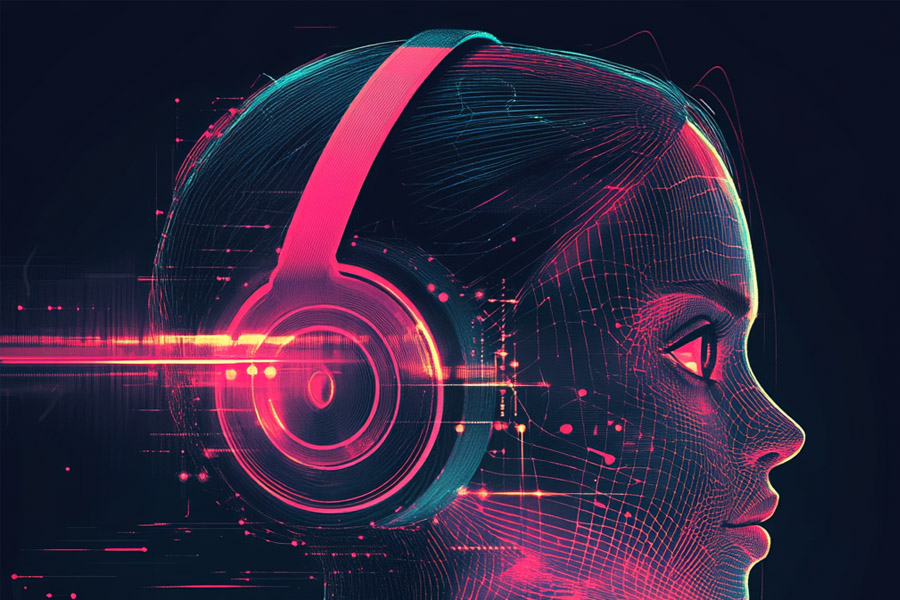
A New Era of Listening
Digital consumption habits are changing faster than most people realize. As screens flood daily routines, many seek relief from endless scrolling and glowing pixels. The answer is emerging in the form of audio. Listening, once limited to podcasts and music, now extends to nearly every piece of online content. Articles can be heard while cooking, exercising, or commuting. Written text no longer demands full visual attention; it finds a second life through sound.
Free text-to-speech technologies quietly drive this change. These tools give text a voice and allow audiences to learn without screens. That subtle change is changing content creation, sharing, and experience.
The Voice Revolution and Its Everyday Magic
A tiny technical symphony occurs when a user converts text to audio. AI analyzes phrase structures, modifies pronunciation, and gives silent words rhythm. Innovative voices sound less artificial and more human.
Individuals have immediate access. Voice conversion helps students turn notes into audio before exams, parents catch up on the news while making breakfast, and businesspeople review reports on the go. Technology has become essential, woven into daily life.
Free access is crucial. When everyone may try these tools for free, technical engagement is no longer limited. Innovation, curiosity, and inclusion boost adoption more than marketing strategies.
Personalized Audio for a Personalized World
Modern living values customization. From playlists to instructional platforms, users want customizable tools. Free text-to-speech apps offer voice tone, speed, and language settings. Users can customize how they hear written words in each situation.
This personalization extends beyond convenience. It fosters better engagement. Listening to one’s favorite articles in a familiar voice creates a sense of connection, as though the content was crafted for that specific individual. In a world saturated with digital noise, such intimacy is rare and valuable.
The democratization of audio experience is unfolding quietly but profoundly. Whether for accessibility or preference, listeners now have the power to decide how information should reach their ears.
Expanding the Boundaries of Learning and Focus
Education typically falls behind student learning styles. Many learners are auditory and learn more by listening than reading. Free text-to-speech platforms easily fill that gap. They turn textbooks, notes, and study materials into portable spoken lessons.
For visually impaired or struggling readers, this is liberation, not convenience. Format and design no longer limit knowledge flow. The spoken word bridges digital divides that were once insurmountable.
Professionals benefit too. Listening to research papers or business reports on the move converts static learning into fluid productivity. In a world where multitasking is often unavoidable, voice-enabled tools keep momentum alive.
Creativity and Content Beyond the Written Word
Text-to-speech is a strategic tool for digital creators. It adds voice to communications by writers, bloggers, and educators. Before starting audio creation, they can test presenting styles and tones with free tools.
Spoken tales change the emotional tone of written words. Product reviews can appear reliable. Sustainability stories can be personal. How-to articles may be immersive learning. Voice makes text an experience, not just information.
This transformation opens doors for audience engagement in environments where reading is impractical. Audio content reaches ears that might never meet the original text on a page. The result is reach without compromise.
Accessibility as a Cornerstone of Digital Equality
For decades, the digital world has wrestled with inclusivity. Text-to-speech technology brings that goal closer to reality. It is not merely an aid but a revolution in access. Free software tools amplify that impact by ensuring ability and income need not determine access to information.
For people with dyslexia, low vision, or concentration difficulties, text-to-speech turns frustration into empowerment. What was once a slow or impossible reading process becomes a smooth auditory experience. Accessibility, often discussed in theory, becomes tangible in practice.
Beauty comes from universality. Any device or background can use this technology without steep learning curves or fees. Simplicity boosts digital equity.
The Convergence of AI and Human Connection
Beneath every spoken phrase generated by text-to-speech lies a deeper story of human creativity meeting artificial intelligence. Machines replicate pronunciation, inflection, and tone through data and algorithms, but what users ultimately hear is a conduit for understanding.
As technology continues to refine natural language processing, the fusion of AI’s precision with humanity’s emotional context grows stronger. Future versions may produce voices indistinguishable from real speakers, capable of conveying warmth, confidence, or calmness.
When digital voices resonate with emotional authenticity, they stop being tools and start becoming collaborators. They assist in communication where physical presence is impossible, bridging gaps between author and audience.
Free Access as the Foundation of Innovation
Experimentation fosters innovation. Free TTS tools follow this principle. They let students, businesspeople, and hobbyists try voice solutions freely. Curiosity-driven users tested many complex features in free versions to create new applications.
Openness spurs innovation, which improves accessibility. Offering the essentials for free encourages participation, criticism, and creative modification. Global creator-user contact is driving voice tool sophistication.
Free technologies no longer symbolize limited capabilities; they symbolize opportunity.
Voice Technology in Lifestyle Integration
TTS is becoming a lifestyle tool. Its connectivity with smartphones, smart speakers, and browsers makes it a daily companion. Commuters can keep informed, parents can multitask, and professionals can manage time.
The convenience reshapes how people approach knowledge itself. Reading used to be a stationary activity. Listening liberates it. Words now travel with the listener, winding through landscapes, accompanying routines, and living beyond screens. Audio quietly transforms fragmented time into productive intervals.
This subtle shift reflects society’s yearning for balance. In giving words a voice, technology provides people with more moments to live while still staying informed.
FAQ
What differentiates free text-to-speech tools from premium ones?
Free tools do basic tasks like speech production and playback. Advanced customization, voice packs, and integration are common in premium versions. Free choices offer good quality and accessibility for most users.
Can text-to-speech improve productivity in daily life?
Yes. It allows people to absorb information while performing other tasks. Listening to work documents, emails, or articles saves time and supports multitasking, especially for those managing packed schedules.
Are free text-to-speech tools suitable for professional content creators?
Excellent testing grounds. Before recording with professional equipment or voice actors, creators can assess tone, tempo, and engagement. Many still use them for drafts, scripts, and training.
How does text-to-speech help students with different learning styles?
Auditory learners often retain information more effectively when they hear it. Text-to-speech accommodates this by turning written lessons into spoken explanations, reinforcing understanding and retention.
What role will artificial intelligence play in the next generation of text-to-speech?
AI will keep improving realism. Future systems may express emotion, context, and intent more naturally, offering correct pronunciation and human-like voice nuance.
Is text-to-speech important for digital inclusion?
Absolutely. It levels the field for people who face visual or reading challenges and ensures information is accessible across varying abilities and backgrounds. Free tools amplify that inclusivity by removing cost obstacles.
How can individuals integrate text-to-speech into everyday routines?
They can study with spoken notes, listen to articles on commutes, or read correspondence while exercising. Using audio alternatives consistently improves workflows and reduces screen fatigue.