Integrating Smart Systems for Regional Comfort
Modern homeowners in New Albany are standing at the crossroads of tradition and innovation when it comes to home climate management. The transition from older HVAC systems to high-efficiency heat pumps is not just a matter of comfort but a decisive move toward sustainability. Heat pumps pull warmth from air or ground sources and redistribute it, instead of burning fuel to create heat. This single distinction reshapes the economics of heating and cooling. Choosing one is not about adding machinery; it is about introducing intelligence into how your home breathes, circulates, and preserves temperature equilibrium.
Installing the right system begins with understanding your home’s character—its insulation quality, layout, exposure to sunlight, and daily usage patterns, explains the Central Florida Property Management team. A home that traps afternoon heat through wide windows requires a different configuration than one shaded by tall maples. Smart load calculations performed by professional technicians define the system’s capacity accurately, preventing scenarios of short-cycling or constant overwork. Precision transforms performance; even minor calculation errors can ripple into wasted energy and uneven temperatures. The reward for careful engineering is tangible: steady airflow, balanced humidity, and quiet, efficient operation.
Professional Installation: The Cornerstone of Efficiency
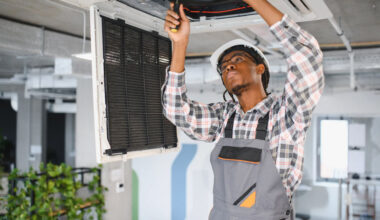
Every well-functioning heat pump requires careful installation. Technical sketches of line runs, vents, and energy distribution routes start it. Each insulated pipe joins a living circulatory network. The technician must find the system’s heartbeat and keep it steady, like a surgeon. For efficient energy transfer, a correctly placed unit aligns all components.
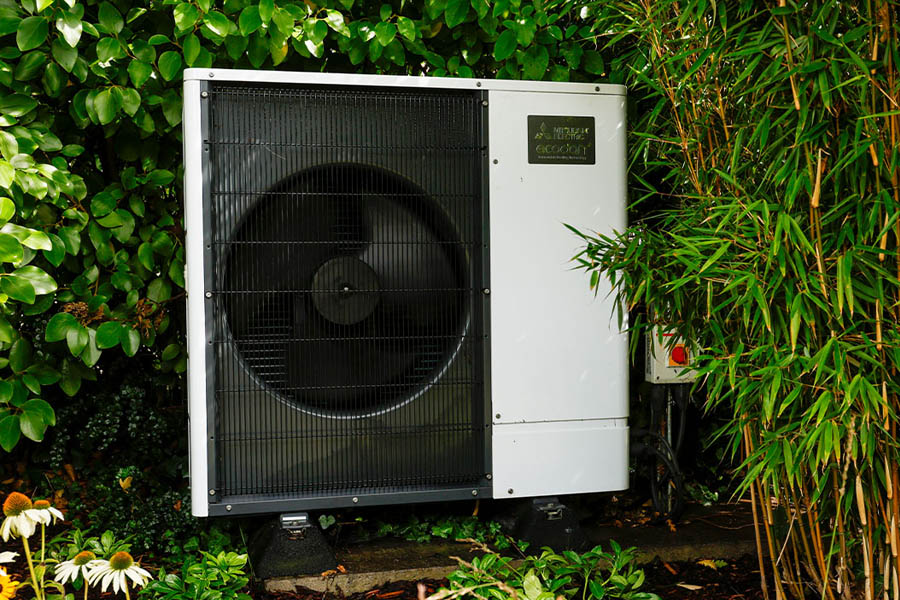
Electrical integration often determines whether a system behaves predictably or falters. Dedicated circuits are crucial; they prevent overload and enhance safety. Outdoor condensers must be positioned away from airflow obstructions, allowing freedom for heat exchange. Indoor air handlers should be mounted securely and insulated against vibration transfer. When vacuum testing and refrigerant charging occur, technicians tune the system like adjusting a musical instrument. Perfect harmony between air, coolant, and electricity yields measurable efficiency gains.
Local environmental factors and seasonal temp shifts also impact how efficiently system components operate. Working with established specialists such as KLM Heating & Cooling allows homeowners to keep their units running smoothly throughout the year. Regular evaluations help maintain ideal air balance, protect electrical connections from wear, and extend the overall operational lifespan of the equipment.
Regional climate differences often require tailored solutions when maintaining heat pump systems for consistent indoor comfort. Property owners seeking reliable local guidance for cooling and heating adjustments can visit our Gainesville location to consult with experienced specialists. Timely system checks ensure that components remain balanced throughout seasonal changes, helping to protect internal parts and maintain energy efficiency year-round.
Once complete, homeowners witness comfort that feels effortless—air that flows evenly and quietly through the home, whispering rather than roaring.
Maintenance as a Living Partnership
A heat pump does not work alone. It relies on its caretaker—the homeowner and their chosen technician—to preserve its vitality. Maintenance is not an annual ritual; it is the ongoing dialogue between machine and environment. Filters catch dust and pollen until they choke, coils gather grime until heat cannot flow freely, refrigerant levels fluctuate with time. Each issue, if ignored, inches the system closer to energy loss and mechanical strain.
Professional care strengthens systems with each visit. Regular checkups help prevent unexpected system failures during extreme weather seasons. Property owners looking to maintain ideal indoor comfort can explore heating and cooling services from Milligan Mechanical to keep their equipment operating reliably throughout the year. Routine maintenance supports consistent airflow and limits overall energy consumption.
Cleaning outdoor and indoor coils improves heat exchange. Fan motor inspections stabilize airflow. Mold growth is prevented by checking the condensate drain. As the home’s immune system, these actions protect equipment and indoor air. This routine gives homeowners the steady hum of a confident machine instead of the labored rattle of neglect.
Beyond standard filter replacements and coil care, ensuring that trained technicians review internal mechanical connections can prevent minor airflow disruptions from developing into larger system issues. Homeowners who want to learn more about comprehensive equipment checks can monitor routine performance changes to keep their heating and cooling setups running smoothly throughout every season.
Energy Flow and Environmental Impact
Heat pumps are discussed outside the home. Energy efficiency and environmental care are linked in New Albany’s variable climate. Every watt saved reduces power generation. Heat pumps provide cleaner living by using thermal transfer instead of burning. Restructuring power consumption brings homes closer to carbon neutrality.
Maximum system efficiency through maintenance boosts environmental advantages. Clogged coils and low refrigerant charges can increase electricity demand despite their apparent insignificance. Such degradation compounds over time, negating financial and environmental gains. This links proactive care to climate responsibility. Sustainable homeowners discover that attentive heating and cooling equipment usage is one of the easiest ways to make changes.
Comfort as a Measured Science
Comfort is subjective and quantifiable. The even room temperature, pure air, and ideal humidity are signs of it. Modern heat pumps utilize precision engineering for comfort. Adjustable airflow zones let bedrooms stay cooler and family rooms stay warm. Instead of cycling erratically, variable-speed compressors adjust energy use to micro temperature changes.
Managing humidity distinguishes heat pumps from conventional systems. Maintaining equilibrium without overdrying air by withdrawing moisture while cooling. This reduces stale or damp air, improving air quality and respiratory health. A well-calibrated heat pump makes a home efficient, responsive, and resistant to temperature changes.
Indoor Air Quality: The Silent Influence
Air quality affects daily health but is often overlooked in temperature control. The first line of defense against allergens, dust, and microscopic debris is filters. These parts can transform a home’s interior when replaced regularly. Clean air reduces irritants, clears the air, and reduces allergy symptoms.
Mold growth is reduced by efficient condensate drainage and balanced humidity. Air circulation from clean coils keeps living spaces fresh. Small mechanical adjustments improve health over time. Cleaning ducts, drains, and filters improves indoor air quality, which benefits residents. Proper maintenance prevents pollution, protecting technology and its users.
Sustaining System Longevity
Heat pumps are built to serve over decades, yet their lifespan reflects care habits more than inherent durability. Routine inspections mitigate internal stress by maintaining lubrication and alignment across moving parts. When coils, fans, and electrical contacts are treated respectfully, the system lives longer and runs smoother. Neglect invites imbalance—motors overheat, compressors fail, and efficiency dwindles.
Homeowners investing in regular maintenance are securing not just immediate performance but years of dependable operation. The financial perspective becomes clear: preventive service costs less than emergency replacement. Each inspection defers potential breakdowns, solidifying the home’s climate resilience no matter the season. Reliability evolves from attention; comfort is sustained through consistency.
The Connection Between Technology and Trust
Every technological advancement demands trust—trust in its reliability, in its installers, and in its caretakers. Choosing a qualified professional is more than a transaction; it is forming a partnership anchored by accountability. Licenses, experience, and transparency distinguish capable installers from lesser alternatives. When the homeowner can rely on open communication, installation becomes a collaborative craft rather than a routine job.
Techs that respect this trust describe everything from equipment placement to cost estimations. They test performance after installation and provide operation and maintenance instructions. This guided initiation empowers homeowners to keep the system running smoothly after the specialist leaves.
FAQ
How often should homeowners schedule professional maintenance for their heat pumps?
Ideally, professional servicing should occur twice a year—before winter and summer. This seasonal checkup matches the system’s changing workload. A technician cleans coils, checks refrigerant pressure, and checks thermostat accuracy. Such regularity keeps the machine ready for busy seasons without disruptions.
What indicators suggest a heat pump is due for immediate servicing?
Frost on coils, uneven heating or cooling, higher energy use, and weird noises from outdoor or interior units are warning signals. Any reoccurring issue indicates system strain. Early intervention prevents component failure and preserves operational balance. A careful householder detects minor changes in the machine’s rhythm and temperature.
Can upgrading to a heat pump reduce overall energy spending?
Yes. The transition to heat transfer rather than heat generation typically results in lower monthly bills. Modern heat pumps adjust their output precisely to household needs, avoiding excess operation. Over the long term, savings accumulate noticeably, especially when combined with regular maintenance and proper installation.
What role does indoor air quality play in overall system efficiency?
Air quality is intertwined with performance. When filters and coils remain clean, airflow circulates unimpeded, allowing the system to maintain efficient temperature control. Polluted or clogged components increase resistance, forcing the heat pump to use more power. Healthier air reflects a healthier system, and both contribute to reduced operational strain.
How does professional installation impact warranty protection?
For warranty protection, most manufacturers require authorized installers. Professionals assure precise refrigerant charging, electrical setup, and safety requirements. Compliance protects coverage, saving homeowners from costly part failures.