Secondary ticket resale is carried out through interconnected systems, and it manages listing distribution, pricing, inventory updates, and fulfillment. These processes operate on systematic data streams between marketplace networks and ticketing platforms. This supports the flow of tickets from listing creation to completed sale. The following are some best practices to sell concert tickets:
Structure Ticket Inventory
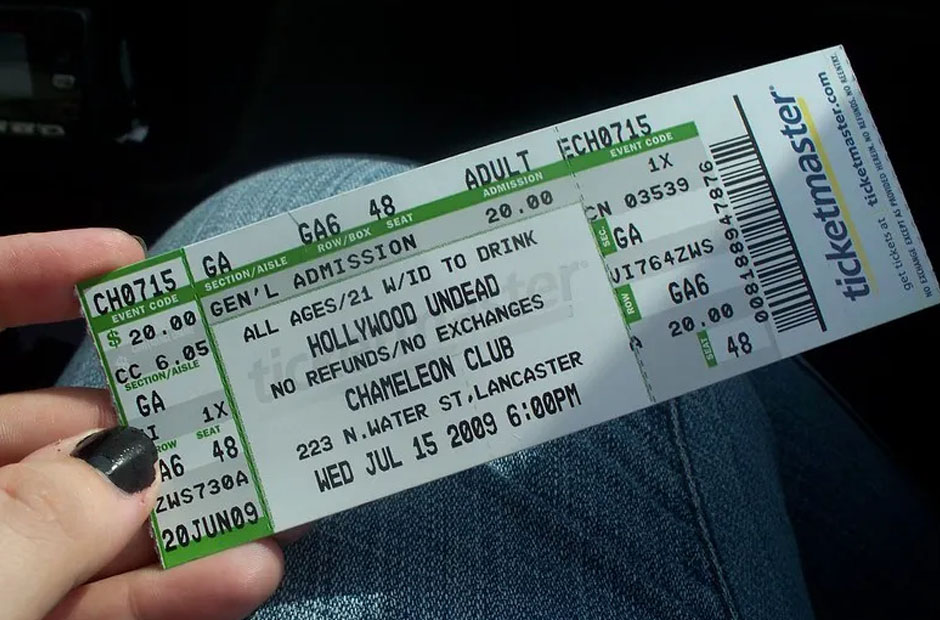
Ticket inventory setup starts with the organized entry of event details and quantity selection. People selling concert tickets should enter section, row, and seat-grouping information when creating tickets. These fields make up part of the main dataset used for distribution and fulfillment. Precision with ticket details determines how listings function across resale channels. Incorrect seating details, such as section or row, introduce inconsistencies between the listed record and the actual ticket. These inconsistencies disrupt downstream synchronization and can trigger failed fulfillment outcomes when the ticket data does not match the original listing.
Ticket grouping uses split types to determine whether the tickets are sold together or in allowed quantities, such as pairs or full sets. Sellers choose the split type during inventory entry based on how the tickets are held. This may involve listing two seats together or separating them into individual tickets. Selling tickets with different groupings allows sellers to attract buyers with different needs.
Manage Pricing
When people sell concert tickets, pricing is managed on one listing interface. Sellers assign a price at the time of listing creation and can update that figure within the same interface. Each listing appears across multiple resale channels from one source record. A price change made in the original listing replaces the previous value and updates across all connected listings derived from that record; this removes the need to edit pricing separately across different channels. Pricing updates remain tied to the original listing data rather than individual channel settings.
Expand Marketplace Exposure
Structured listing data feeds into a distribution process that spreads a single listing across multiple resale channels. Individuals sell concert tickets using one entry, and the system distributes the listing data across connected resale channels from the same source entry. This removes the need to recreate the same ticket listing in separate places. Each distributed listing reflects the original input data. Updates made to the original listing apply across all distributed listings.
Using a single platform helps keep listing information consistent across channels, and sellers avoid having to manually update information on each individual ticket. When a ticket sells through any connected channel, the system removes that ticket from other listings linked to the same inventory. This prevents the same ticket from remaining available after a completed sale.
Use Barcode Fulfillment
Ticket fulfillment uses the available transfer method, which can include barcode, QR code, or mobile transfer depending on how it was originally issued. Delivery is based on the ticket information attached to the listing. The system completes a transfer using the ticket’s valid format, so the buyer receives the correct ticket associated with the sale.
Fulfillment follows an automated flow after the transaction is confirmed. The ticket data stored in the listing is used to complete delivery without separate reconstruction of event or seat details during transfer. Accurate listing data is required for successful fulfillment; errors in seat, row, or quantity affect whether the ticket can be delivered correctly. Payment follows fulfillment completion and successful ticket delivery.
Track Sales
Sales tracking brings inventory status and payout information into one dashboard when individuals sell concert tickets. Sellers view active, sold, and pending listings in a single interface instead of checking separate marketplaces individually. Inventory updates reflect when a ticket sells across connected marketplaces. The listing status changes inside the platform, so remaining availability stays visible in one place. It enables sellers to know which listings still require attention based on unresolved sales activity.
Sell Concert Tickets Today
Using centralized resale workflows helps sellers connect listing creation, distribution, pricing, fulfillment, and tracking into one system. Individuals can sell concert tickets through structured inventory and synchronized marketplace exposure. Within this system, structured inventory supports consistent resale execution across connected channels, and it maintains alignment as tickets move from creation through distribution and fulfillment. List your tickets today to manage sales, inventory, and payouts in one place.