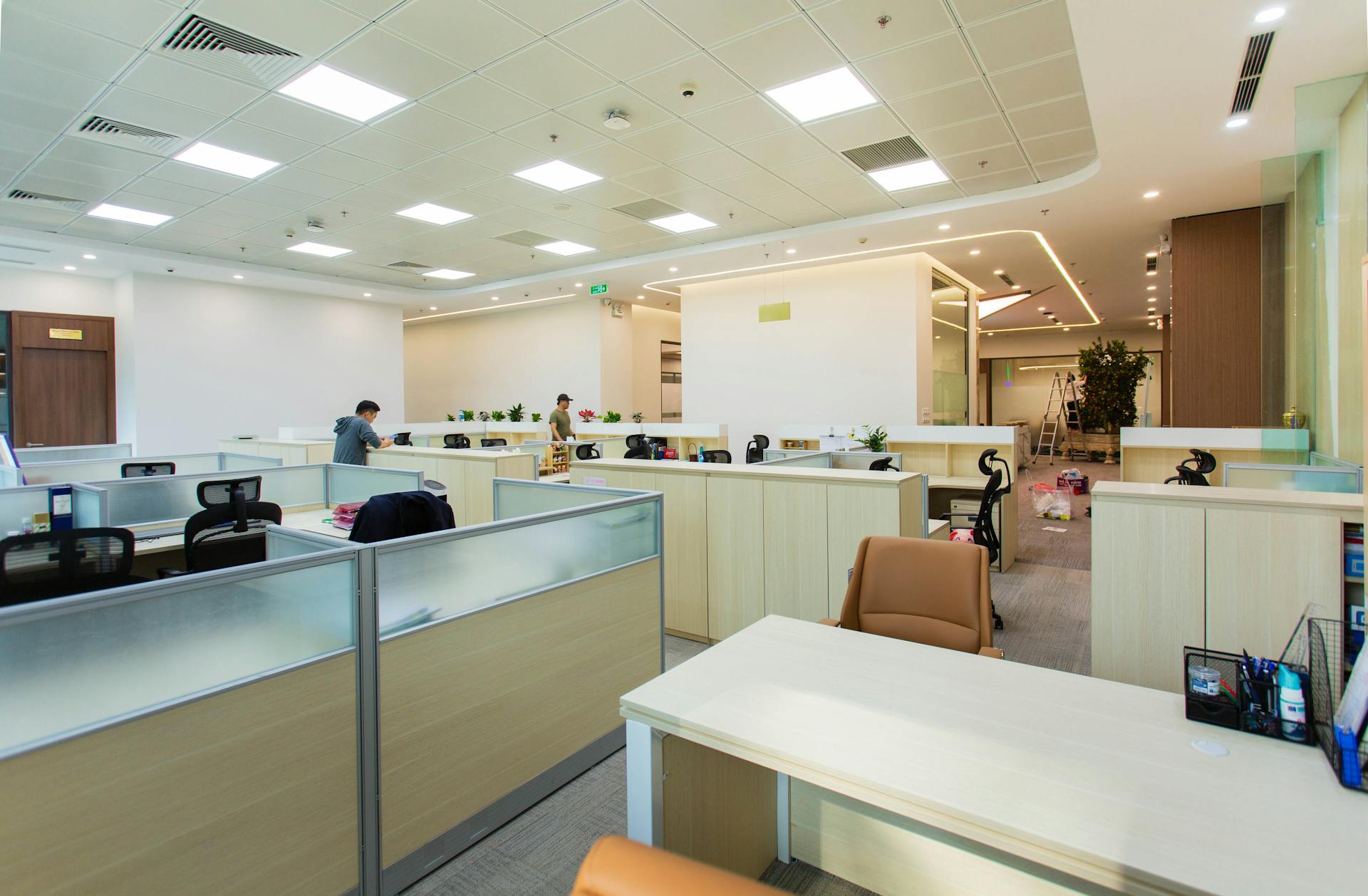
A better office? That sounds pretty simple, right? You will now have more space, better light, and maybe a cleaner layout. But have you given much thought to the move itself?
That’s where things slip. Work doesn’t stop just because most things are now in boxes. Teams still need access, systems must stay live, and clients expect replies. One wrong step and you lose time, money, and patience.
Some moves drag for weeks. Others feel almost controlled. The difference usually comes down to planning early, making a few smart calls, and not rushing decisions that affect daily operations. It’s less about the move day, more about everything before it.
If you’re thinking about moving to a better space, you’re already halfway there. The rest needs structure, a bit of foresight, and some practical choices.
Know Why You’re Moving in the First Place
It starts here, even if people skip it. A move without a reason turns vague fast. Someone says more space, someone else wants a better location — both sound fine, yet they pull in different directions.
Sit with it for a bit. What’s not working right now? Is it the layout, the commute, rising costs, noise, or lack of meeting rooms? Or growth, simple as that. A clear reason trims the noise. You stop chasing shiny offices that look good but don’t fix anything.
Hire Local Movers Who Handle Office Moves
People assume moving is just packing and loading. It’s not.
Office equipment isn’t forgiving. Monitors, servers, files — some fragile, some sensitive. You don’t want random packing here. Local movers specializing in office moves know how to break things down, label cables, and keep systems organized. That alone saves hours later.
Plus, they move fast but not carelessly. There’s a rhythm to it. Less confusion, fewer mistakes. You notice the difference when unpacking starts, and things are where they should be.
Set a Realistic Budget (Then Add a Buffer)
Costs don’t stay neat. You plan one figure, then a few extras creep in. It happens. There’s rent and deposit, yes. Then you realize you forgot to add moving costs and the cost of the setup. You realize you have to buy new furniture, and the list keeps going on and on.
So don’t aim for a tight number. Leave space. Not huge, just enough to breathe.
It’s not about overspending. It’s about avoiding last-minute stress. Because when something unexpected shows up — and it will — you don’t want to pause everything just to adjust funds.
Pick the Right Time to Move
Timing isn’t just about convenience. It affects how much disruption you deal with.
A weekday move might look efficient, but work slows down. People get distracted, and tasks pile up. Then you spend the next few days catching up.
Moving over the weekend means fewer interruptions. But such a move needs coordination — access to the building, staff availability, and maybe overtime costs.
End of the month can be tricky, too. Movers get busy, and schedules tighten. If there’s any delay, you feel it more.
So, look at your own workflow, and pick a slot that fits your pace, not just the calendar.
Involve Your Team Early
This one feels small, but it changes how the move plays out.
If people hear about the move late, they resist, not loudly, maybe, but in small ways. It all leads to confusion, frustration, and a lack of interest.
So, bring them in early. Share what you know, even if it’s not complete. Let them ask questions. Some will have practical input, such as where teams should sit, what equipment needs extra care – listen to them. You don’t need to do exactly as they ask, but it wouldn’t hurt to actually consider their opinions.
And, you don’t need full discussions for everything. Just enough to keep them included.
Plan the New Layout Before You Move
People often leave this for later, and it slows everything down.
You don’t need a perfect floor plan, but you should have a clear idea of where teams will sit, where shared spaces go, and how people will move through the office. Small things matter here. If two departments work closely, don’t split them across corners. If meetings happen often, don’t hide the rooms at the far end.
And think about noise. Some teams need quiet, others don’t. Mix that wrong, and you’ll hear about it within days.
When movers arrive, they should already know where things go. Otherwise, boxes pile up, desks get placed randomly — then everything shifts again. That’s not ideal, right?
Handle IT and Infrastructure Early
If this part gets delayed, it causes big problems.
Internet setup can take time. Same with phone lines, internal networks, and access systems. If you wait until after the move, you risk days without proper connectivity.
Therefore, start early, talk to providers, and confirm timelines. Don’t assume it will be ready on request. And test things. Even if everything looks fine on paper, real use shows gaps. A slow connection, a missing port, something small that affects daily work.
Once the team walks in, they expect systems to run. No one wants to sit around waiting for fixes.
Update Your Address Everywhere That Matters
This step is dull, so it’s also easy to delay — yet it causes real issues if missed.
Clients, vendors, official records, and delivery services need the updated address. Forget one, and something is bound to go wrong. A shipment could land at the old office. A client could show up at the wrong place. Think what that could do to your reputation!
So, make a list. Go through it slowly. It’s repetitive work, but it prevents confusion later. Online listings matter too. People rely on websites, maps, and directories. Set up mail forwarding if possible. It covers the gaps.
An office move rarely goes in a straight line. Something shifts, something takes longer, something doesn’t land where you expected. That’s part of it. What makes the difference is how prepared you are before things start moving. A clear layout, systems ready to go, the right people handling the heavy parts — these choices don’t stand out in the moment, but they shape how the whole move feels.
You won’t control every detail. But you can keep things from slipping out of hand.
And once you’re in, settled just enough to work without thinking about the move anymore, that’s when you know it worked.