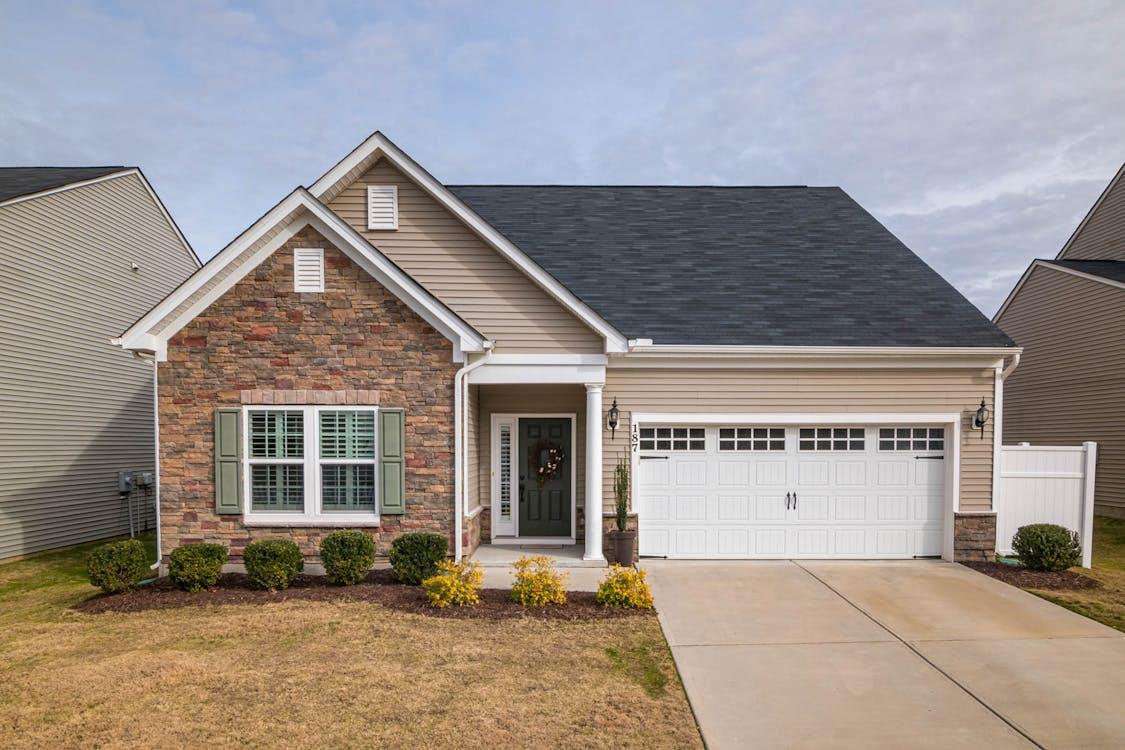
A garage door is often the largest moving component in any home, and it plays a central role in both convenience and safety. Because it is used multiple times a day, even minor wear can quickly develop into larger issues if left unchecked. Homeowners who take a proactive approach to maintenance can reduce the risk of sudden breakdowns and ensure the system continues to operate smoothly. Regular upkeep also helps preserve the door’s structural integrity, protecting both the property and the people using it.
Ignoring early warning signs can lead to unexpected failures that require urgent attention. Many homeowners only think about repairs after something goes wrong, which often results in higher expenses and unnecessary stress. Understanding how maintenance affects long-term performance helps create a more cost-effective home care approach.
Visual Inspection: The Eyes and Ears of Maintenance
A simple visual inspection is one of the most effective ways to keep a garage door system in good condition. By regularly inspecting the door, homeowners can identify small issues before they turn into costly garage door repair needs. Many problems begin with subtle signs that are easy to overlook, such as frayed cables, rusted hinges, or worn rollers. If ignored, these minor concerns can quickly escalate into larger mechanical failures that require more labor, replacement parts, and specialized service. With rising material costs and increased demand for skilled technicians, repair services have become more expensive in recent years. Look up average garage door repair cost in 2026 to get a better idea of how much a garage repair service would cost you.
On the other hand, lListening is just as important as looking. Unusual sounds, such as grinding, scraping, or squeaking, often indicate that components are under stress or lack proper lubrication. In addition, checking for door sag or gaps in weatherstripping can improve both safety and energy efficiency.
Lubrication Essentials: Keeping it Smooth and Silent
Proper lubrication plays a key role in reducing friction and ensuring consistent performance. Using the right products makes a noticeable difference, especially when comparing silicone-based sprays or lithium grease to general-purpose solutions like WD-40. While WD-40 may seem convenient, it can strip away essential lubrication, leaving components more vulnerable to wear.
Focus should remain on areas that experience the most movement, such as roller bearings, hinges, and metal springs. Applying a small amount of lubricant to these points allows the system to operate quietly and efficiently.
The Balance Test: Reducing Stress on Your Opener
Testing the balance of a garage door is essential to maintaining the entire system’s health. An unbalanced door forces the opener to work harder than necessary, increasing the risk of mechanical failure. To perform this test, homeowners should first disconnect the opener using the red manual release cord. This allows the door to move freely without the motor’s assistance.
Once disconnected, lift the door halfway and observe its behavior. A properly balanced door should remain in place without drifting up or down. If it moves on its own, the tension system may need adjustment. Professional garage door repair Seattle services can safely correct these complex spring tensions, restoring effortless operation and ensuring the long-term safety of your home.
Testing Critical Safety Features & Sensors
Garage door safety features are designed to prevent accidents, so testing them regularly is essential. One of the simplest checks is the block test. Place a sturdy object, such as a piece of wood, in the path of the door and attempt to close it. The door should automatically reverse upon contact.
Photo-eye sensors also require routine care. These small devices near the bottom of the door track detect obstructions and stop the door from closing. Dust, dirt, or misalignment can interfere with their function. Clean the lenses gently and ensure both sensors face each other correctly. If the door refuses to close without any visible blockage, this often points to a sensor issue that needs adjustment.
Hardware & Track Tightening
Daily use causes vibration, which can loosen bolts and screws over time. Checking and tightening hardware ensures the entire system remains stable and secure. A socket wrench is usually sufficient for this task. Pay close attention to brackets and fasteners that hold the tracks and rollers in place, as these areas experience the most movement during operation.
Tracks should also remain straight and properly aligned for smooth performance. Inspect both vertical and horizontal tracks for bends or gaps that could disrupt the door’s movement. Cleaning the inside of the tracks with a dry cloth helps remove dirt and buildup.
Maintaining Performance for Long-Term Reliability
A consistent maintenance routine keeps a garage door operating efficiently and reduces the likelihood of unexpected issues. Regular inspections, proper lubrication, balance testing, and safety checks all contribute to a system that performs reliably over time.
Taking care of small tasks early helps protect the home’s security and appearance while minimizing repair needs. Homeowners who stay proactive can extend the life of their garage door and avoid unnecessary disruptions. With a structured approach to maintenance, it becomes easier to keep the system in top condition and ensure it continues to operate safely every day.