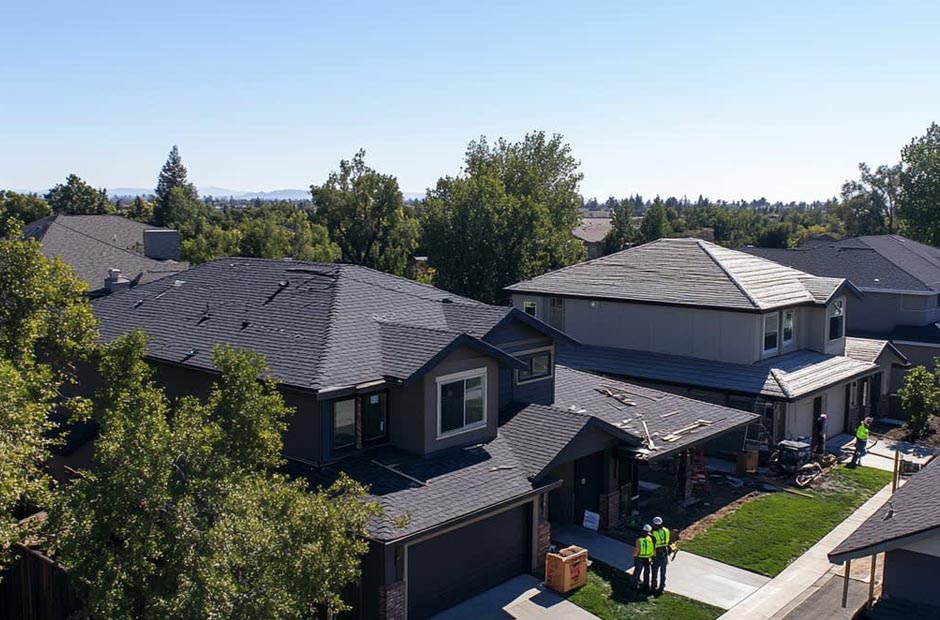
A residential flat roof project in San Diego can vary widely in cost, and several factors shape the final price. Climate, material choice, and project scope all play a role in how much a homeowner may expect to invest. A clear view of these elements helps avoid surprises and supports better planning before any work begins.
Local expertise matters as well. Many property owners turn to experienced residential flat roof contractors in San Diego for guidance on materials, permits, and timelines. This article breaks down the key elements that influence cost so that informed decisions feel easier and more confident.
Material Choices Shape the Budget
Material selection stands as one of the biggest cost drivers in any flat roof project. Options such as TPO, PVC, modified bitumen, and built-up roofing each come with different price ranges and performance traits. TPO and PVC often cost more upfront, yet they offer strong durability and energy efficiency.
Lower-cost materials may reduce initial expenses, though they may need repair or replacement sooner. San Diego’s sunny climate often favors reflective surfaces that help control indoor temperature. That benefit can lead to long-term savings on energy bills.
Roof Size and Layout Complexity
The overall size of the roof directly affects labor and material needs. Larger surfaces require more resources, which increases total cost. However, layout complexity can raise the price even more than size alone.
Flat roofs with multiple levels, vents, skylights, or drainage systems demand extra attention during installation. Each feature adds labor time and requires careful sealing to prevent leaks. A simple layout often leads to a smoother and more affordable project.
Condition of the Existing Structure
The current state of the roof plays a major role in determining expenses. If the structure shows damage such as rot, cracks, or water intrusion, repairs must take place before new materials go in place.
A roof in poor condition may require complete removal of old layers, which increases labor costs. On the other hand, a well-maintained surface may allow for an overlay system, which reduces time and expense. A professional inspection helps uncover hidden issues early.
Labor and Local Regulations
Labor rates in San Diego reflect the region’s cost of living and demand for skilled professionals. Experienced crews may charge higher rates, yet they often deliver better workmanship and fewer issues over time.
Local building codes and permit requirements also affect project cost. Compliance ensures safety and long-term performance, though it may add fees and extend timelines. Contractors who know local regulations can help streamline this process and avoid delays.
Warranty, Maintenance, and Long-Term Value
Warranty coverage and maintenance plans can influence overall project cost. High-quality materials and expert installation often come with extended warranties, which provide peace of mind. These options may cost more at the start, yet they protect against unexpected repair expenses later.
Homeowners who work with trusted residential flat roof contractors in San Diego often gain access to maintenance programs that extend roof life. Regular inspections and minor repairs help prevent major issues, which supports long-term value and reliability.
A residential flat roof project in San Diego involves more than a simple price tag. Material choice, roof condition, labor, and energy efficiency all shape the final cost. Careful planning and expert advice help ensure a smooth process and a strong result. A clear understanding of these factors allows property owners to make smart decisions that balance budget and quality. A well-built flat roof delivers durability, comfort, and value for years to come.