Florida homeowners ask a lot from their window treatments. Shutters need to complement the home’s design, provide dependable privacy and light control, and stand up to intense sunlight, heat, humidity, and everyday use.
That is one reason custom shutters remain a popular option throughout Florida. Unlike off-the-shelf window coverings, custom shutters are measured and built for the specific window opening, allowing homeowners to choose the material, louver size, frame style, color, and operating configuration that best fits the room.
A professional custom shutter installation South Jersey partner can also help determine which shutter type is best suited to a particular part of the home. Here are some of the most common options Florida homeowners may want to consider.
1. Plantation Shutters
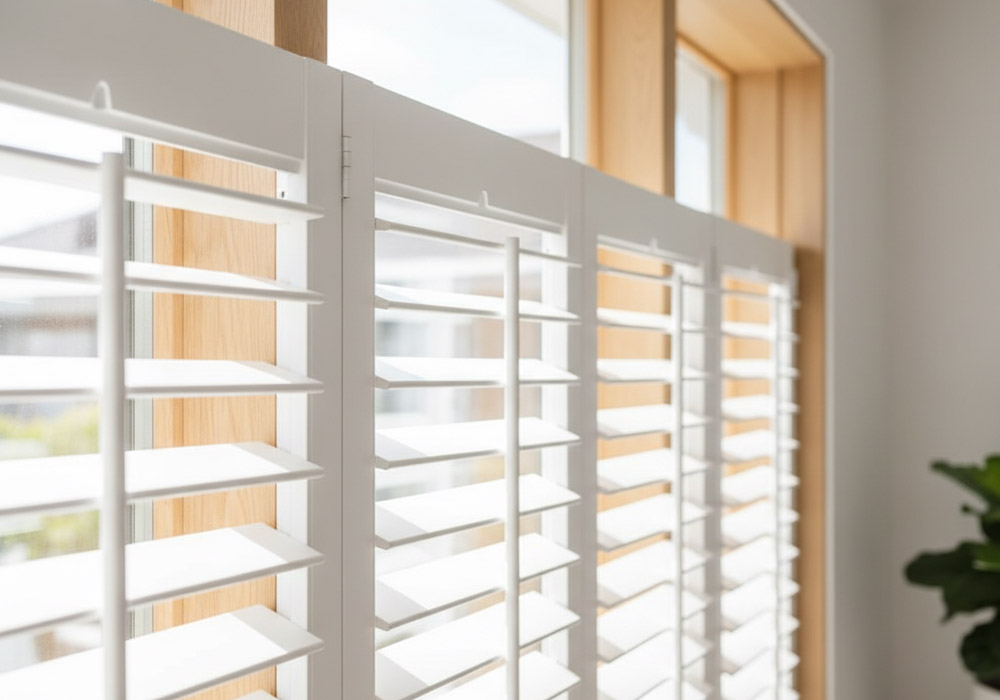
Plantation shutters are among the most recognizable interior shutter styles. They typically feature wide, adjustable louvers mounted inside a solid frame.
The louvers can be tilted to control daylight, visibility, and privacy without requiring the shutters to be fully opened.
Why Florida Homeowners Choose Plantation Shutters
Plantation shutters work particularly well in Florida because they provide flexible control over strong sunlight. Homeowners can angle the louvers to reduce glare while still allowing natural light into the room.
They are commonly installed in:
- Living rooms
- Bedrooms
- Kitchens
- Dining rooms
- Home offices
- Large picture windows
Their clean lines also work with a wide range of Florida architectural styles, from coastal homes and contemporary builds to Mediterranean-inspired properties.
2. Composite Shutters
Composite shutters are manufactured from engineered materials designed to provide the appearance of traditional painted wood while offering additional resistance to moisture and temperature changes.
That can make them especially practical in Florida’s humid climate.
Composite materials may be less susceptible than certain natural woods to problems such as warping, cracking, or expanding when exposed to changing indoor conditions.
Where Composite Shutters Work Well
Composite shutters are often a strong option for:
- Bathrooms
- Kitchens
- Laundry rooms
- High-humidity areas
- Frequently used family spaces
For homeowners who want a traditional shutter appearance without the maintenance considerations associated with some natural wood products, composite shutters can provide a useful middle ground.
3. Wood Shutters
Natural wood shutters offer a distinctive appearance that manufactured materials can have difficulty replicating.
Wood provides warmth, texture, and depth, making it a popular choice for homeowners who view their window treatments as an important part of the home’s interior design.
Custom wood shutters can often be painted or stained to coordinate with cabinetry, flooring, furniture, or architectural millwork.
Advantages of Custom Wood Shutters
Wood shutters can be particularly appealing in:
- Formal living rooms
- Primary bedrooms
- Dining rooms
- Offices
- Traditional homes
- Luxury interiors
Because Florida experiences significant humidity, homeowners considering wood shutters should speak with an experienced shutter professional about appropriate materials, finishes, and room placement.
4. Vinyl or Synthetic Shutters
Vinyl and other synthetic shutter materials are designed for durability and relatively simple maintenance.
They are generally easy to wipe clean and can perform well in areas where moisture exposure is a concern.
These characteristics may make synthetic shutters useful for rooms such as bathrooms, kitchens, or certain coastal properties where humidity can be particularly noticeable.
Homeowners should compare product construction carefully, however. The quality and rigidity of synthetic shutter materials can vary significantly between manufacturers.
5. Café-Style Shutters
Café shutters cover only the lower portion of a window.
This configuration allows homeowners to maintain privacy at eye level while leaving the upper section of the window uncovered for natural light.
Café-style shutters can work especially well in spaces facing sidewalks, neighboring homes, patios, or streets.
They are commonly considered for:
- Breakfast areas
- Kitchens
- Dining rooms
- Front-facing windows
- Bathrooms
For homeowners who do not want to cover an entire window, café shutters can create a lighter, more open appearance.
6. Full-Height Shutters
Full-height shutters cover essentially the entire window opening.
This design provides homeowners with extensive control over privacy and sunlight while creating a clean, built-in appearance.
Depending on the shutter configuration, larger installations may include divider rails that allow the upper and lower louvers to operate independently.
For example, the lower portion can remain closed for privacy while the upper louvers are tilted open to admit daylight.
Full-height shutters are particularly versatile and can be used throughout most areas of a home.
7. Tier-on-Tier Shutters
Tier-on-tier shutters consist of separate upper and lower shutter panels.
Unlike full-height shutters, where the entire panel generally opens as one unit, tier-on-tier shutters allow homeowners to open the top and bottom sections independently.
This configuration provides considerable flexibility.
A homeowner might leave the lower panels closed for privacy while opening the upper panels completely. At other times, both sections can remain closed with the louvers adjusted for light.
Tier-on-tier shutters can be useful for homes located in busier neighborhoods where privacy and natural light both matter.
8. Custom Shutters for Specialty-Shaped Windows
One of the biggest advantages of working with a custom shutter installation company is the ability to address windows that standard products cannot easily accommodate.
Florida homes often include architectural windows such as:
- Arched windows
- Half-circle windows
- Angled windows
- Bay windows
- Tall windows
- Narrow windows
- Oversized windows
Custom shutters can often be designed to follow the shape of these openings rather than concealing their architectural character.
For homeowners who invested in distinctive windows, this can be an important design advantage.
9. Sliding Door and Large-Opening Shutter Systems
Florida homes frequently feature large sliding glass doors leading to patios, lanais, pools, or outdoor living areas.
Traditional hinged shutters are not always practical for these wide openings. Instead, homeowners may consider specialized shutter systems designed to slide, fold, or track across the opening.
A professional shutter installer can evaluate how frequently the door is used and recommend a configuration that provides privacy and light control without interfering with normal traffic.
Choosing the Right Shutter Material for Florida Homes
The best shutter is not determined by appearance alone.
Florida homeowners should consider several environmental and practical factors before choosing a product.
Humidity
Moisture levels can affect some materials more than others. Bathrooms, kitchens, laundry rooms, and coastal homes may benefit from materials designed to resist moisture-related movement.
Sun Exposure
Florida’s strong sunlight can create glare and contribute to fading of furnishings and flooring.
Adjustable shutters allow homeowners to redirect sunlight while maintaining some natural illumination.
Maintenance
Some homeowners prefer natural wood and are comfortable with the associated care requirements. Others may prefer composite or synthetic materials that can be cleaned quickly with minimal maintenance.
Interior Design
The shutter should complement the home’s existing architecture and finishes.
Louver size, color, frame profile, and panel configuration can all influence whether the finished installation looks traditional, transitional, coastal, or contemporary.
What Louver Size Should a Homeowner Choose?
Louver size affects both the appearance of the shutter and the amount of visibility through it.
Smaller louvers tend to create a more traditional appearance, while wider louvers generally provide a more open and contemporary look.
Large louvers can also provide broader views through the window when tilted open.
The ideal size depends on the dimensions of the window, ceiling height, architectural style, and homeowner preference.
A custom shutter installer can typically provide samples so homeowners can see how different louver sizes will look inside the room before making a final decision.
Why Professional Measurement Matters
Custom shutters must fit the window opening precisely.
Even relatively small measurement errors can result in uneven gaps, panels that do not operate properly, or frames that appear out of square.
Professional shutter installers generally evaluate more than width and height. They may also consider:
- Window depth
- Trim and molding
- Sill dimensions
- Handle clearance
- Window operation
- Wall conditions
- Mounting location
- Obstructions around the opening
This is particularly important in older Florida homes where windows and walls may not be perfectly square.
Custom Shutters vs. Standard Shutters
| Feature | Custom Shutters | Standard Shutters |
| Window fit | Built for the specific opening | Limited to preset sizes |
| Material choices | Extensive | Usually limited |
| Louver sizes | Multiple options | Fewer options |
| Specialty windows | Often possible | Frequently difficult |
| Frame options | Customizable | Limited |
| Design flexibility | High | Moderate |
| Installation | Usually professionally measured and installed | Often homeowner installed |
The biggest advantage of custom shutters is flexibility. Homeowners can create a solution around the window rather than modifying the window treatment to fit a standard product.
Questions to Ask a Custom Shutter Installation Partner
Before selecting an installer, Florida homeowners should ask several practical questions.
What materials do you recommend for Florida humidity?
An experienced installer should be able to explain how different shutter materials perform in local conditions.
Do you perform your own measurements?
Accurate measurements are essential for custom installations, so homeowners should understand who is responsible for measuring the windows.
Can you accommodate specialty-shaped windows?
Homeowners with arches, bay windows, or unusually large openings should verify that the company has experience designing shutters for those applications.
What shutter configurations are available?
A knowledgeable consultant should be able to explain the advantages of full-height, café, tier-on-tier, tracked, and other shutter systems.
Who completes the installation?
Understanding whether installation is performed by company employees or subcontractors can help homeowners know what to expect during the project.
Frequently Asked Questions About Custom Shutters in Florida
Are shutters a good option for Florida homes?
Yes. Interior shutters can provide effective control over sunlight, privacy, and visibility while creating a finished architectural appearance. Material selection is particularly important in Florida because of heat and humidity.
What type of shutter is best for high-humidity rooms?
Composite, vinyl, and other moisture-resistant shutter materials are often considered for bathrooms, kitchens, and laundry areas. The best option depends on the specific product and environment.
Can shutters be installed on unusually shaped windows?
In many cases, yes. Custom shutter manufacturers can often produce shutters for arches, angles, circles, bay windows, and other specialty openings.
Can shutters be installed on sliding glass doors?
Yes. Specialized tracked or folding shutter systems may be available for wide openings and sliding doors.
How long do custom shutters last?
Quality shutters can remain functional for many years when properly manufactured, installed, and maintained. Longevity depends heavily on material quality, construction, environmental exposure, and usage.
Do custom shutters require professional installation?
Professional installation is strongly recommended for custom shutters because accurate measurement, alignment, and mounting directly affect how the shutters look and operate.
Finding the Right Custom Shutters for a Florida Home
There is no single shutter style that works best for every Florida property.
A coastal bathroom may call for a moisture-resistant composite shutter, while a formal living room may benefit from natural wood. A street-facing window may work well with café shutters, while a large bedroom window may be better suited to full-height plantation shutters.
The value of working with an experienced custom shutter installation partner is the ability to evaluate those decisions before ordering the product.
With the right material, configuration, and professional installation, custom shutters can provide Florida homeowners with long-term privacy, light control, durability, and a window treatment that feels like a permanent part of the home rather than an accessory.