The Modern Science of Optimizing Athletic Performance and Recovery
Every athlete understands the drive to push harder, run faster, and lift heavier. But true progress isn’t just about the effort you put in; it’s about how effectively you recover. In the demanding world of competitive sports, optimizing athletic performance means mastering both training and regeneration.
By October 2026, the science of recovery has evolved beyond simple rest. We now understand that a strategic approach to recovery is just as vital as the training itself. It’s the secret weapon that prevents injuries, enhances adaptations, and unlocks consistent peak performance.
In this extensive guide, we will unpack the most advanced, evidence-based strategies for maximizing both performance and recovery. We’ll explore how to build a personalized ‘recovery stack’ that leverages sleep, precise nutrition, thermal therapies, and intelligent load management. Our aim is to provide you with actionable insights to transform your athletic journey.
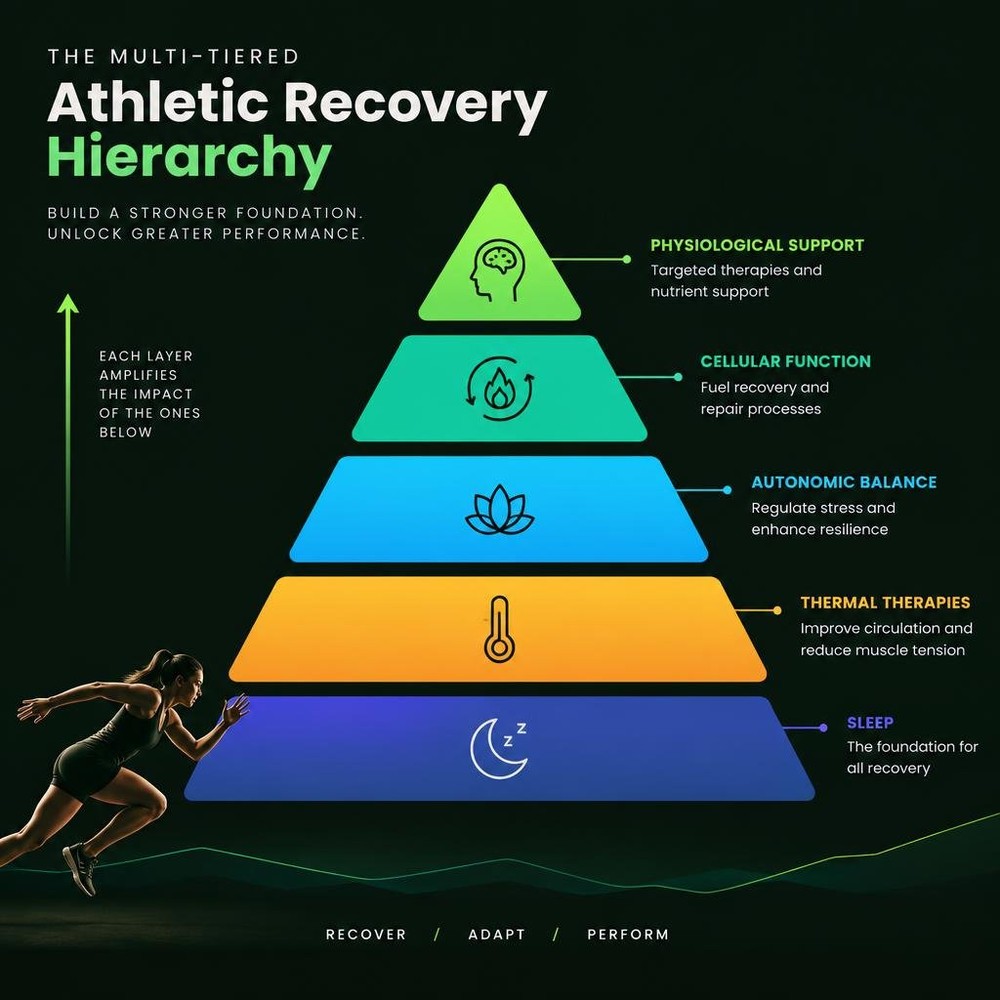
The journey to peak athletic performance is a complex interplay of training stimulus and recovery response. Modern sports science emphasizes a holistic, data-driven approach, recognizing that recovery is not merely passive rest but an active, multi-faceted process. We view recovery through the lens of a multi-tiered hierarchy, where foundational elements amplify the benefits of more advanced interventions.
At the base of this hierarchy lies sleep, acting as the primary multiplier for all other recovery efforts. Building upon this, we integrate strategies that regulate the autonomic nervous system, optimize cellular function, and provide targeted physiological support. This layered approach ensures that every recovery modality contributes synergistically to an athlete’s overall well-being and competitive edge.
The Sleep Multiplier and Circadian Alignment
Sleep is not just a recovery tool; it is the foundational multiplier upon which all other recovery strategies are built. Without adequate, high-quality sleep, the benefits of even the most sophisticated interventions are significantly diminished. For athletes, optimizing sleep means focusing on both quantity and quality, aligning our internal clocks with natural light-dark cycles, and ensuring an environment conducive to deep restorative processes.
Research consistently shows the profound impact of sleep on athletic performance. A study involving Stanford basketball players, for instance, demonstrated a remarkable 9% improvement in free-throw accuracy and 9.2% in three-point accuracy simply by extending their sleep to 10 hours per night. This highlights sleep’s critical role in cognitive function, motor skill consolidation, and reaction time—all vital components of athletic prowess.
During slow-wave sleep (deep sleep), the body releases a surge of growth hormone, essential for tissue repair, muscle growth, and fat metabolism. REM sleep, on the other hand, plays a crucial role in learning, memory, and emotional regulation, helping athletes process training information and manage competitive stress. Optimal thermal regulation during sleep is also key; a cool sleep environment facilitates deeper sleep stages.
To truly optimize sleep, we advocate for strict sleep hygiene practices:
- Consistent Wake Time: Maintain the same wake-up time seven days a week, even on weekends, to anchor your circadian rhythm.
- Cool, Dark, Quiet Environment: Ensure your bedroom is cool (ideally 60-67°F or 15-19°C), dark, and free from noise.
- Morning Sunlight Exposure: Aim for 10-15 minutes of direct morning sunlight within an hour of waking. This helps to set your circadian clock, boosting alertness during the day and promoting melatonin production at night for better sleep onset.
- Screen Hygiene: Avoid blue light exposure from screens (phones, tablets, computers) for at least 60-90 minutes before bed.
- Caffeine Timing: Limit caffeine intake to the first half of the day, ideally cutting it off 6-8 hours before bedtime.
While basic practices can achieve significant benefits, advanced tools can further enhance sleep quality. Wearables like Oura and Whoop provide valuable insights into sleep architecture, tracking deep sleep, REM, and overall efficiency. For those seeking a premium upgrade, an advanced sleep system like the Eight Sleep Pod 4 has shown impressive results, with one user reporting a 19-minute increase in deep sleep over two months.
Autonomic Nervous System Regulation and HRV Dynamics
Beyond the conscious effort of training, our bodies are constantly making adjustments through the autonomic nervous system (ANS), which controls involuntary functions like heart rate, breathing, and digestion. The balance between its two branches—the sympathetic (fight or flight) and parasympathetic (rest and digest) systems—is a critical indicator of recovery status and readiness to perform.
Heart Rate Variability (HRV) is a non-invasive measure that quantifies this balance by looking at the beat-to-beat variations in heart rate. A higher HRV generally indicates a healthier, more adaptable ANS, suggesting good recovery and readiness for stress. Conversely, a suppressed HRV can signal fatigue, stress, or inadequate recovery, potentially hinting at overtraining.
However, interpreting HRV requires nuance. We treat HRV as a trend tool, not a daily alarm. A single low reading might be an anomaly, but a consistent downward trend over several days (e.g., a 7-day rolling average compared to a 60-day baseline) is a strong signal to adjust training load or prioritize recovery. Factors like alcohol consumption can significantly impact HRV, with even one drink potentially reducing it by 15%, illustrating the ‘hangover hidden cost’ of celebrations.
Wearables have made HRV monitoring accessible, but understanding how to use them correctly is key. We recommend focusing on:
- 7-Day Rolling Average: Compare your daily HRV to your average over the past week to identify trends.
- Baseline Comparison: Establish a long-term baseline (e.g., 60 days) to contextualize daily and weekly fluctuations.
- Contextual Factors: Always consider other variables like sleep quality, stress levels, nutrition, and illness when interpreting HRV data.
By monitoring HRV trends, athletes can proactively manage training loads, prevent overtraining, and optimize their recovery strategies. A consistently low HRV might prompt a deload day, an extra recovery session, or increased focus on sleep and nutrition, allowing the parasympathetic system to regain dominance and restore optimal physiological function.
Thermal and Light Therapies in Athletic Conditioning
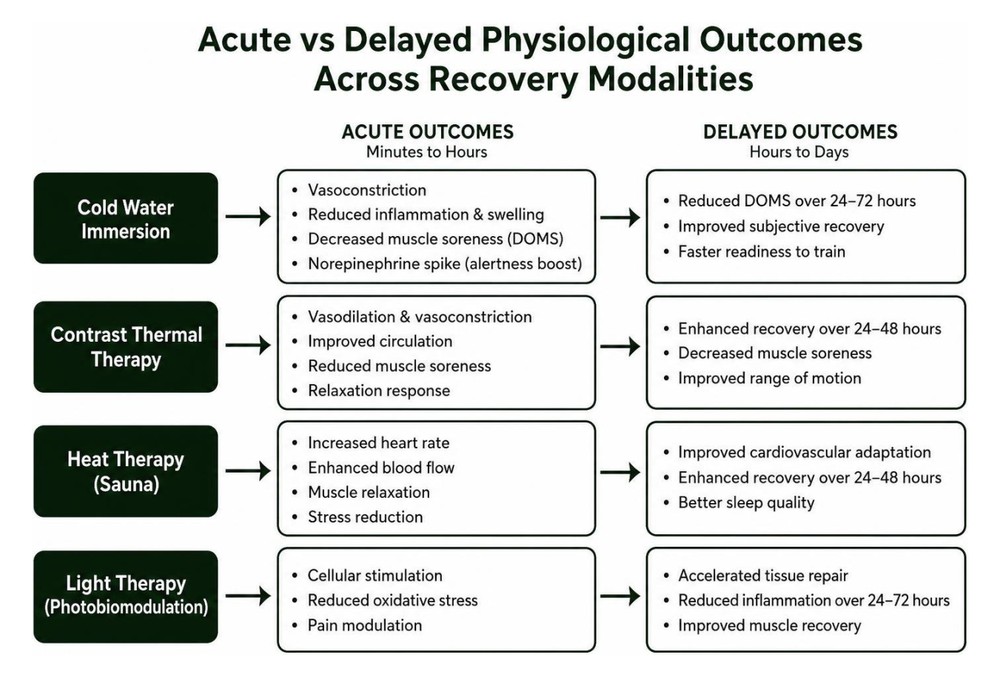
Temperature and light are powerful environmental cues that can profoundly influence physiological processes, making them invaluable tools in an athlete’s recovery arsenal. From the ancient practices of cold bathing and sauna to modern photobiomodulation, strategic application of thermal and light therapies can accelerate recovery, reduce soreness, and enhance adaptation.
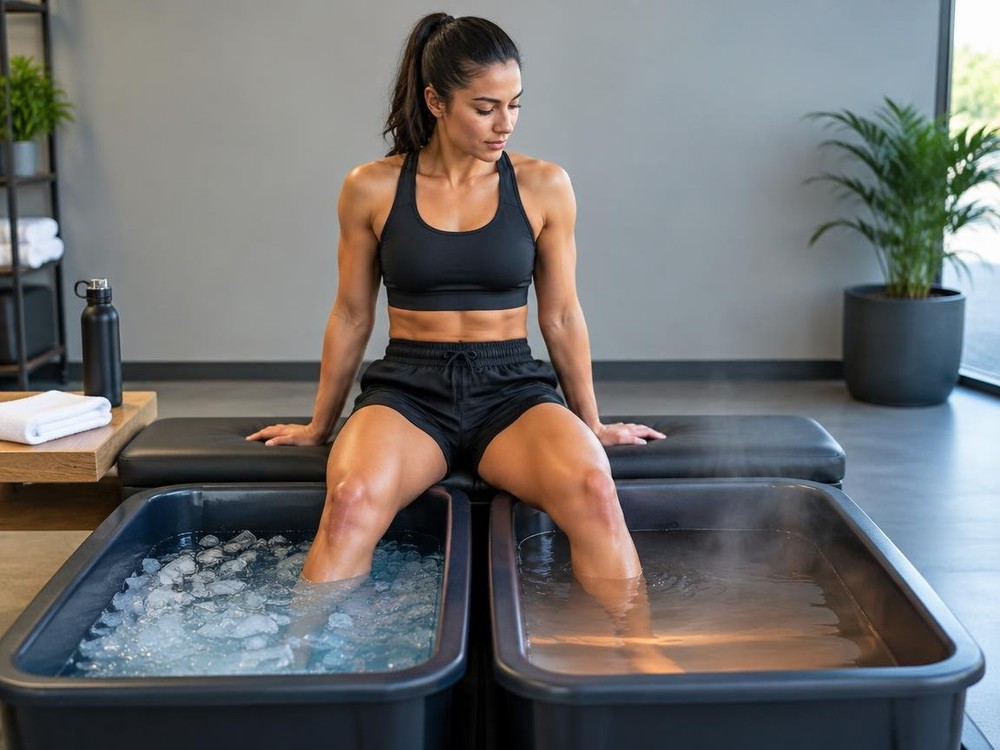
These modalities work by modulating blood flow, reducing inflammation, stimulating cellular repair, and influencing nervous system activity. However, their effectiveness is highly dependent on timing and context, requiring a nuanced understanding of when and how to apply them for specific athletic goals.
Cold Water Immersion Protocols for Optimizing Athletic Performance and Recovery
Cold water immersion (CWI), often referred to as cryotherapy or cold plunging, has become a staple in athletic recovery due to its immediate and noticeable effects. The primary mechanisms involve vasoconstriction, which reduces blood flow to the muscles, decreasing inflammation, swelling, and perceived muscle soreness (DOMS).
Specific protocols for CWI typically involve 10-15 minutes at temperatures between 50-59°F (10-15°C). This duration and temperature range have been shown to effectively reduce perceived fatigue and DOMS, particularly in endurance athletes. The acute exposure to cold also triggers a significant spike in norepinephrine—up to 530%—acting as a natural ‘wake-up call’ and boosting mood and alertness.
However, the timing of CWI is crucial, especially for strength athletes. A key insight from recent research is the “hypertrophy caveat”: cold immersion, if applied within 4-6 hours after hypertrophy-focused resistance training, can blunt muscle protein synthesis and long-term strength gains. This is because the inflammatory response, which CWI aims to reduce, is also a critical signaling pathway for muscle adaptation and growth. Therefore, strength athletes should delay cold exposure until well after their lifting sessions.
Conversely, CWI can be highly beneficial in other scenarios:
- Endurance Training Blocks: Post-endurance session CWI can accelerate recovery and readiness for subsequent training without interfering with hypertrophy goals.
- Tournament Recovery: Between bouts in tournaments or during congested competition schedules, 10-15 minutes of CWI can significantly reduce fatigue and soreness, helping athletes maintain performance across multiple events.
- Heat-Stressed Conditions: CWI can be an effective tool for core body temperature reduction, aiding recovery and performance in hot environments.
Sauna and Hyperthermic Conditioning for Plasma Volume Expansion
Sauna use, particularly hyperthermic conditioning, offers a distinct set of benefits, especially for endurance athletes. Regular exposure to heat stress triggers physiological adaptations that can significantly enhance performance. One of the most notable effects is the expansion of plasma volume, which can increase by approximately 7%. This greater blood volume allows for more efficient oxygen transport to working muscles and improved thermoregulation, delaying the onset of fatigue.
Finnish data, known for its extensive research on sauna use, links regular sauna sessions (4-7 times per week) to a roughly 40% lower all-cause mortality. While not directly performance-related, this speaks to the overall health benefits of consistent heat exposure. For athletes, the performance benefits are more specific. Scoon et al. (2007) found that just three weeks of post-workout sauna use led to a remarkable 32% increase in time-to-exhaustion for runners.
Recommended protocols for maximizing these benefits include:
- Frequency: 4-5 weekly sauna sessions.
- Duration: 20-30 minutes per session.
- Temperature: 80-90°C (176-194°F).
- Timing: Post-training sessions are ideal, allowing the body to adapt to the heat stress and reap the recovery benefits. Ensure adequate hydration before and after.
Sauna use effectively primes the body for heat-stressed conditions, improves cardiovascular function, and can also contribute to mood and motivation through the release of endorphins and other neurochemicals.
Photobiomodulation and Targeted Contrast Therapy
Beyond temperature, light therapy, specifically photobiomodulation (PBM) or red light therapy (RLT), is gaining traction as a low-cost, high-benefit recovery tool. RLT uses specific wavelengths of red and near-infrared light to stimulate mitochondrial function, enhancing ATP production and cellular repair processes. This occurs by targeting cytochrome c oxidase, a key enzyme in the electron transport chain.
RLT offers modest but consistent benefits, primarily in reducing delayed-onset muscle soreness (DOMS) and accelerating muscle recovery with virtually zero physiological cost or recovery burden. It’s a non-invasive intervention that can be easily integrated into a daily routine. A typical protocol involves 5-6 sessions per week, 10 minutes per session, applied to the target muscle groups post-training.
Contrast therapy, which involves alternating between hot and cold water immersion, combines the benefits of both thermal modalities. The rapid changes in temperature cause a “vascular pump” effect, promoting vasodilation (blood vessel widening) and vasoconstriction (blood vessel narrowing). This cycling is thought to enhance microcirculation, flush metabolic waste products, and reduce swelling. While some research suggests contrast therapy might be superior to cold alone for certain outcomes, its primary benefit often lies in perceived recovery and its potential to reduce soreness more effectively than passive recovery. It can be particularly useful for athletes seeking a comprehensive approach to managing inflammation and improving blood flow.
Precision Nutrition and Bioactive Fueling Frameworks
Nutrition is the fuel that drives performance and the building blocks for recovery. In October 2026, the approach to athletic nutrition has become highly individualized and strategically periodized, moving far beyond generic dietary advice. We now leverage precision nutrition to optimize everything from glycogen resynthesis and muscle protein synthesis to fluid balance and micronutrient status, ensuring athletes are fueled for both peak performance and rapid regeneration.
The 4Ps Framework: Personalize, Periodize, Prefuel, and Prepare
The “4Ps” framework provides a comprehensive and memorable model for designing optimal performance nutrition strategies:
- Personalize: Every athlete is unique. We assess individual phenotype (sex, age, body mass, training status), sweat rate, biomarkers, and even dietary preferences. While genetic testing for nutrition is still largely speculative for most genes, understanding individual responses to specific foods and supplements is paramount. For example, personalized dosing of buffering agents like sodium bicarbonate can reduce side effects and improve efficacy.
- Periodise: Nutrition should not be static; it must align with training phases and goals. This involves carbohydrate periodization (e.g., “train-low, compete-high” strategies to enhance metabolic adaptations while maximizing glycogen for competition), protein timing, and adjusting overall caloric intake based on training load.
- Prefuel: Strategic fueling before an event or intense training session is critical.
- Carbohydrate Loading: Consume 6-10 g/kg body mass of carbohydrate in the 24-36 hours leading up to competition to maximize glycogen stores.
- Pre-Event Meal: A carbohydrate dose of 1-3 g/kg body mass, consumed 3-4 hours before the event, tops off liver and muscle glycogen.
- Gastric Emptying: Consider carbohydrate sources that are easily digestible to avoid gastrointestinal distress.
- Prepare: This involves in-event fueling and strategic use of ergogenic aids.
- Hydration: Aim for approximately 7 ml/kg body mass of fluid 2-3 hours before competition. During the event, maintain fluid intake to limit dehydration to less than 2% of body mass. Tracking sweat rate is crucial for personalized fluid and electrolyte replacement.
- Ergogenic Supplements: Caffeine, nitrate, and buffering agents (like sodium bicarbonate) can be used pre-event, based on individual tolerance and sport-specific demands, to delay fatigue and improve performance.
Targeted Macronutrient Timing and Functional Bioactives
The timing and type of macronutrients consumed post-exercise are critical for rapid recovery.
- Carbohydrate for Glycogen Resynthesis: The priority after intense exercise is to replenish muscle and liver glycogen stores. We aim for 1.0-1.2 g/kg body mass of carbohydrate per hour within the first 4 hours post-exercise. Co-ingestion of glucose and fructose has been shown to improve glycogen resynthesis and reduce gastrointestinal distress compared to glucose alone, making it a “dynamic duo” for replenishment.
- Protein for Muscle Protein Synthesis (MPS): To repair damaged muscle tissue and stimulate new muscle growth, athletes should consume 20-40g of high-quality protein (approximately 0.25 g/kg body mass) in the post-exercise window. While protein timing matters, total daily protein intake (1.6-2.2 g/kg/day) is more crucial for long-term adaptation. A pre-sleep dose of ≥40g of casein protein can also sustain MPS overnight.
- Fluid & Electrolytes: Rehydration is paramount. Athletes should aim to consume 125-150% of their body mass loss in fluids. Milk-based beverages can offer superior hydration and BHI (Beverage Hydration Index) compared to water alone, potentially enhancing subsequent performance.
Beyond macronutrients, functional foods and bioactive compounds offer targeted support for recovery:
- Tart Cherry: Consistently shows reductions in perceived muscle soreness (15-20%) and inflammation after high-intensity exercise. A serving of tart cherry juice or concentrate (approx. 30ml) for 2-3 days post-session can be beneficial.
- Omega-3 Fatty Acids: Supplementation (1-2g EPA/DHA) can modulate the inflammatory response, particularly beneficial during high-mechanical load training blocks.
- Antioxidants (with caution): While antioxidants are often touted for recovery, chronic high-dose vitamin C and E (>500mg) have been linked to blunting training adaptations, underscoring the need for periodization and moderation.
Nutrient Periodization for Optimizing Athletic Performance and Recovery
Just as training is periodized, so too should nutrition be. This means adjusting nutrient intake based on training intensity, volume, and specific goals. For example, “train-low, adapt-high” strategies involve training with reduced carbohydrate availability to enhance metabolic adaptations, followed by high carbohydrate intake for competition.
Certain supplements have robust scientific backing and should be considered foundational for athletes:
- Creatine Monohydrate: The most studied performance supplement in history, 5g/day consistently enhances strength, power, and muscle mass.
- Whey Protein: A complete protein source, crucial for meeting daily protein targets (1.6-2.2 g/kg/day) to maximize muscle protein synthesis.
- Beta-alanine: 3-6g/day (split doses) can improve high-intensity exercise performance by buffering muscle acidity.
- Sodium Bicarbonate: Can improve performance in high-intensity, short-duration events by buffering lactic acid, with careful dosing to avoid GI distress.
These supplements, combined with a periodized approach to macronutrients and strategic use of functional bioactives, create a powerful nutritional framework that supports both immediate recovery and long-term athletic development.
Algorithmic Load Management and Biomarker Tracking
The era of guesswork in athletic training is rapidly fading. In October 2026, advanced sports science integrates physiological telemetry, comprehensive biomarker tracking, and artificial intelligence to precisely manage training loads and optimize recovery. This algorithmic approach helps navigate the fitness-fatigue paradox, where training stress is necessary for adaptation but excessive stress leads to overtraining and injury.
AI-Driven Adaptive Feedback Control and Load Periodization
Traditional periodized programs, while effective, often fall short because they treat physical and mental outcomes as separate entities. The latest advancements in AI-driven training represent a paradigm shift towards holistic human performance. Researchers have developed frameworks like the Dual-factor Adaptation Model (DFAM), which mathematically couples physical performance potential, physical fatigue, psychological resilience, and mental stress.
This model, combined with a Personalized Regimen Optimization Algorithm (PROA), can generate Pareto-optimal training plans that balance performance gains with resilience. A randomized controlled trial with 60 athletes demonstrated the superiority of this approach: the AI-personalized group achieved a 21.4% increase in performance and an 18.6% increase in psychological resilience, significantly outperforming a standard training group.
The Adaptive Feedback Control (AFC) system is the real-time engine of this personalization. It uses daily inputs like HRV, resting heart rate, sleep data from wearables, and subjective readiness scores to modulate training loads. If an athlete’s metrics indicate low readiness (e.g., suppressed HRV, poor sleep, high subjective fatigue), the AFC system can recommend a reduced load, a recovery session, or even a complete rest day, preventing overreaching and injury. This dynamic adjustment ensures that training is always optimized for the athlete’s current physiological and psychological state, fostering both physical gains and mental toughness.
Objective Diagnostics and Systemic Fatigue Monitoring
While wearables and AI provide invaluable real-time feedback, objective diagnostic testing offers a deeper look into an athlete’s internal landscape, identifying systemic fatigue, nutrient deficiencies, or underlying health issues that might impede recovery and performance. These tests provide crucial context that subjective feelings or wearable data alone cannot capture.
Key biomarkers we monitor quarterly include:
- Creatine Kinase (CK): An enzyme released into the bloodstream when muscles are damaged, indicating muscle breakdown and the need for recovery.
- Complete Blood Count (CBC): Provides insight into red blood cell count (oxygen transport), white blood cell count (immune function), and platelet levels.
- Ferritin: Measures iron stores, critical for energy production and oxygen transport; low levels can lead to fatigue and impaired performance.
- Cortisol-to-Testosterone Ratio: An important indicator of anabolic (building) vs. catabolic (breaking down) states, often used to detect overtraining.
- Metabolic Flexibility: Assessed through tools like continuous glucose monitors (CGM) or specific metabolic panels, this indicates how efficiently an athlete can switch between burning carbohydrates and fats for fuel, crucial for endurance and body composition.
For a comprehensive understanding of your internal landscape, consider personalized biomarker testing. This allows for tailored interventions, addressing specific deficiencies or imbalances that could be hindering your progress and recovery.
Neuromuscular Restoration and Soft-Tissue Interventions
Beyond physiological and biochemical markers, direct interventions targeting the neuromuscular system and soft tissues are vital for immediate recovery and long-term injury prevention. These strategies aim to restore muscle function, reduce stiffness, and promote tissue remodeling.
- Active Recovery: Low-intensity movement (e.g., light cycling, walking, swimming) immediately post-exercise significantly improves short-term countermovement jump (CMJ) performance and helps flush metabolic byproducts. It maintains neuromuscular activation without adding significant stress.
- Mechanical Tension & Massage: Massage has consistently shown to be highly effective in reducing perceived DOMS within the first 24 hours post-exercise. It works by increasing blood flow, reducing muscle stiffness, and promoting relaxation.
- Myofascial Release: Techniques like foam rolling or using specialized tools can release tension in fascia and muscles, improving flexibility and reducing localized soreness.
- Tissue Remodeling: Over time, consistent soft-tissue work and appropriate loading patterns help remodel connective tissues, improving their resilience and reducing injury risk.
For those dealing with persistent issues or seeking advanced recovery modalities, exploring integrated pain-relief services can provide significant benefits. These services often combine manual therapies, targeted exercises, and cutting-edge technologies to address specific pain points and accelerate healing, ensuring athletes can return to peak performance safely and efficiently.
Frequently Asked Questions About Recovery Optimization
We often encounter common questions from athletes eager to optimize their recovery. Here, we address some of the most pressing inquiries with scientific consensus and practical advice.
Does cold water immersion blunt muscle hypertrophy after resistance training?
This is a critical question for strength athletes. The current scientific consensus is that yes, cold water immersion (CWI) can blunt muscle hypertrophy if applied too soon after resistance training. The acute inflammatory response triggered by resistance exercise is a crucial signaling pathway for muscle protein synthesis (mTOR signaling) and long-term muscle growth. CWI, by reducing this inflammation, can interfere with these adaptive processes.
Therefore, we recommend a 4-6 hour buffer between hypertrophy-focused resistance training and cold water immersion. If your goal is muscle gain, prioritize protein intake and other recovery strategies during this window. However, for endurance athletes or during tournament play where rapid recovery between bouts is paramount, CWI remains a highly effective tool for reducing perceived fatigue and soreness without significant concern for hypertrophy blunting.
How does post-exercise sauna use improve endurance capacity?
Post-exercise sauna use, or hyperthermic conditioning, enhances endurance capacity primarily through several key physiological adaptations:
- Plasma Volume Expansion: Regular heat exposure leads to an increase in blood plasma volume, which means more blood can be pumped with each heartbeat (increased stroke volume). This improves oxygen delivery to working muscles and enhances cardiovascular efficiency.
- Increased Red Cell Mass: While less pronounced than plasma volume, some research suggests a modest increase in red blood cell count, further improving oxygen-carrying capacity.
- Improved Thermoregulation: The body becomes more efficient at cooling itself, delaying the rise in core body temperature during exercise. This allows athletes to maintain a higher intensity for longer before fatigue sets in.
- Heat Shock Proteins (HSPs): Heat stress induces the production of HSPs, which play a role in cellular repair, protein folding, and protecting cells from stress, contributing to overall physiological resilience.
Collectively, these adaptations lead to a higher cardiac output, reduced cardiovascular strain, and a significant increase in time-to-exhaustion, as evidenced by studies showing improvements of up to 32% in endurance performance.
What is the most effective protocol for acute glycogen resynthesis within 24 hours?
For rapid glycogen resynthesis, especially when facing short recovery windows (e.g., less than 24 hours between sessions), the most effective protocol focuses on immediate and sufficient carbohydrate intake:
- Dose: Aim for 1.0-1.2 g/kg body mass of carbohydrates per hour.
- Timing: Begin carbohydrate intake as soon as possible post-exercise, ideally within the first 30 minutes, and continue for at least the first 4 hours of recovery. The muscle is most receptive to glucose uptake during this initial window.
- Type: Prioritize high-glycemic index (GI) carbohydrates (e.g., glucose, maltodextrin, white bread, sports drinks) as they are rapidly absorbed and lead to a quicker insulin response, facilitating glucose transport into muscle cells.
- Dual-Source Carbohydrates: Combining glucose with fructose (e.g., a glucose-fructose blend in a sports drink) can further enhance liver glycogen replenishment and reduce gastrointestinal distress, as these sugars use different transport mechanisms.
- Co-ingestion with Protein: While carbohydrates are the primary driver of glycogen resynthesis, co-ingesting protein (0.2-0.4 g/kg body mass) alongside carbohydrates can further enhance glycogen storage, especially if carbohydrate intake is suboptimal. Protein also provides amino acids for muscle repair.
This aggressive approach ensures that muscle and liver glycogen stores are rapidly replenished, allowing athletes to perform optimally in subsequent training sessions or competitions.
Conclusion
Optimizing athletic performance and recovery in October 2026 is a sophisticated, data-driven endeavor. We’ve moved beyond anecdotal advice to embrace a scientific, multi-faceted approach that prioritizes foundational elements like sleep and intelligently layers on advanced strategies.
By understanding the recovery hierarchy—starting with sleep as the ultimate multiplier, integrating precise thermal and light therapies, implementing personalized and periodized nutrition, and leveraging AI for intelligent load management and biomarker tracking—athletes can unlock new levels of potential. This comprehensive, periodized regeneration strategy not only enhances performance but also safeguards against overtraining, reduces injury risk, and ensures sustained athletic longevity. The future of athletic excellence lies in mastering the science of recovery.