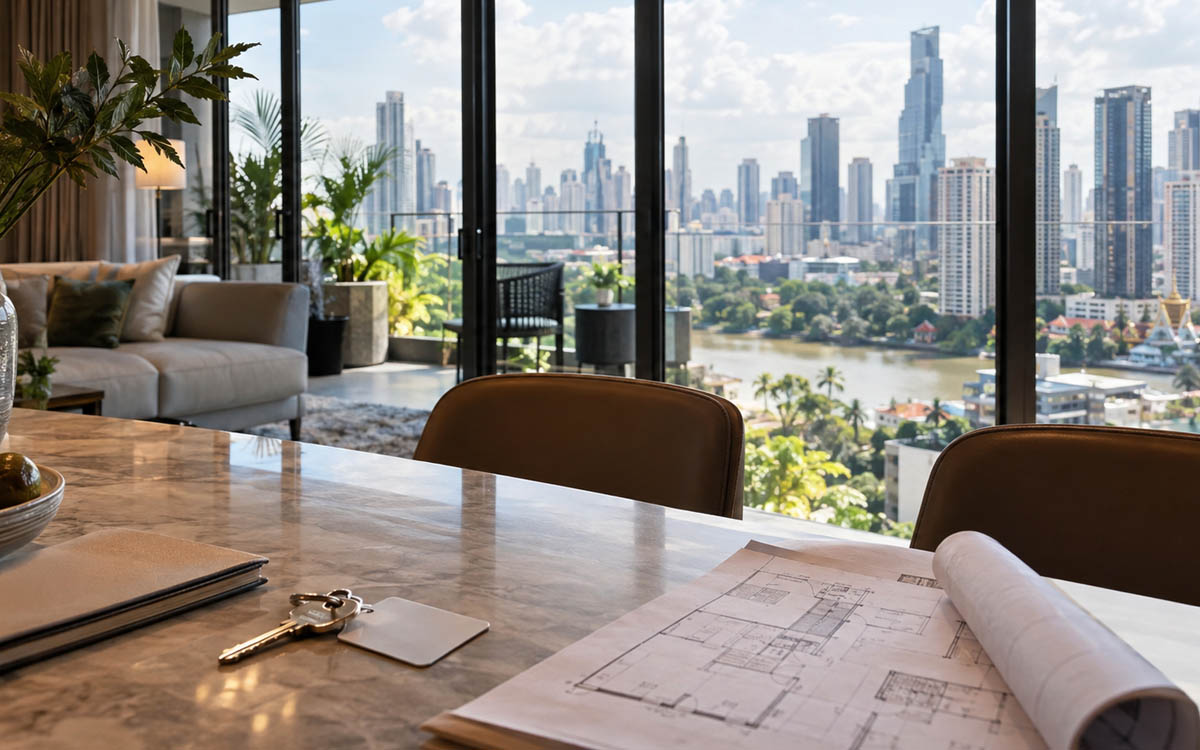
Southeast Asia is rapidly cementing its position as a primary hub for global business and digital innovation. As multinational corporations expand their footprints in cities like Bangkok, Singapore, and Kuala Lumpur, the influx of expatriate professionals is fundamentally reshaping the residential landscape. The expansion of Board of Investment approved digital industry projects in Thailand, which exceeded 746 billion THB in 2025, is a prime example of the economic catalysts driving direct demand for premium executive housing. The rapid evolution of infrastructure, including expanded metro lines and smart city initiatives, further enhances the appeal of these urban centres. Navigating this highly competitive environment requires an understanding of current trends, popular amenities, and effective property search strategies.
Understanding the Demand for Premium City Living
The appetite for upscale, high-rise living among relocating professionals shows no signs of slowing down. A distinct preference exists for these properties due to their comprehensive security, premium lifestyle amenities, and prime central locations. This trend is particularly evident among executives who require seamless transitions between international offices and a high standard of personal comfort. For example, individuals seeking a condominium for rent in Bangkok will find a highly competitive landscape where prime central business district units are snapped up quickly. This demand is further supported by immense international capital interest, with Thailand’s hospitality investments nearly doubling the 10-year historical average to reach 26.4 billion THB in 2025.
Despite tighter mortgage lending rules impacting the broader mass-market housing segment, the demand for premium properties remains exceptionally strong thanks to cash-rich foreign renters. To illustrate this resilience, recent CBRE data published by the Bangkok Post revealed a 207 percent year-on-year surge in luxury downtown condo launches to meet sustained international interest. This surge reflects a highly active market where affluent expatriates seek out high-quality lifestyle properties that outperform comparable European markets.
Essential Features to Look for in Modern Developments
As the luxury market matures, high-net-worth renters are prioritising a new class of amenities that go far beyond standard swimming pools and fitness centres. The modern ultra-luxury standard combines hotel-grade concierge services with long-term residential leasing. When evaluating potential properties, relocating professionals should prioritise several key features:
- Wellness-centric designs: There is a heavy emphasis on built-in HEPA filtration systems, multi-generational green spaces, and seamless indoor-outdoor integration to promote healthier city living in dense urban environments.
- Integrated technology: Smart home ecosystems are transitioning from a luxury perk to a strict baseline requirement. Modern properties now incorporate advanced climate, lighting, and security controls managed via seamless platforms.
- Strategic locations: Central business districts like Sukhumvit, Silom, and Sathorn remain the epicentre of demand due to proximity to corporate headquarters and international schools. Furthermore, upscale riverside developments offer niche amenities such as private shuttle boat services connecting residents directly to major retail spaces.
Nearly 80 percent of clients conduct their preliminary property searches while still living abroad. Securing a unit with these premium features requires early coordination with verified property agencies. Acting quickly is essential in a market where new city-centre high-rises surpass 160,000 THB per square metre, and prime rental units are often leased sight-unseen.
Strategies for Securing the Best Corporate Leases
Entering the premium high-rise rental market requires careful planning and a clear understanding of financial expectations. For investors, average gross rental yields for luxury units in central districts currently range from 4 to 6.2 percent per year. For renters, knowing these baseline figures helps contextualise the pricing landscape. A standard one-bedroom luxury unit in financial districts currently commands rental rates between 28,000 and 45,000 THB per month, depending heavily on floor height and bespoke finishes. Additionally, corporate tenants often negotiate clauses for diplomatic or early release, providing flexibility should their professional assignments change unexpectedly.
Understanding these local metrics is critical for making informed real estate decisions before signing a long-term lease agreement. Renters should always conduct thorough due diligence, analyse neighbourhood data, and compare different building management styles. Major global hospitality groups are increasingly expanding turnkey rental programmes within their branded residences. These programmes allow expatriates to blend luxurious lifestyle living with hassle-free property management. Because branded residences can generate up to 80 percent higher gross rental yields than non-branded developments in the exact same location, renters must weigh the premium costs against the added convenience.
Settling into Southeast Asia
The appeal of Southeast Asian metropolises extends far beyond luxury real estate. The region consistently ranks in the top global destinations for the ease of settling in, according to recent expatriate surveys. By familiarising yourself with the specific nuances of the luxury high-rise market, you can ensure a seamless relocation. Engaging with the right resources early on will help you secure a residence that perfectly aligns with your professional demands and lifestyle aspirations.