Key Takeaways
- Inspect commercial roofs regularly and after severe weather.
- Keep drains, scuppers, and other drainage paths clear.
- Check seams, flashing, penetrations, and rooftop equipment areas.
- Document roof conditions, repairs, warranties, and recurring problems.
- Address minor defects early to prevent costly interior damage.
- Use maintenance records to guide repair, restoration, and replacement decisions.
Commercial roof problems rarely begin with a dramatic leak. A small seam gap, a blocked drain, a loose flashing detail, or a damaged penetration can allow moisture to spread before anyone notices. Property owners and facility managers can reduce that risk by building roof care into normal operations and working from a documented maintenance plan. For inspection support, repairs, and long-term planning, a qualified commercial roofing provider, such as https://www.deltaservices.com, can help assess conditions before they cause disruptions to the building. In 2026, commercial roofs may face punishing heat, wind-driven rain, hail, heavy snow, and repeated freeze-thaw cycles. Routine inspections, clear drainage paths, accurate records, and timely repairs protect more than the roof itself. They can help prevent interior damage, tenant complaints, safety concerns, and interruptions to daily business.
Why Commercial Roof Maintenance Matters
Roof maintenance is preventive facility care, not an optional response to leaks, shares Glendale Management Company. For example, leaves collecting around a drain can slow the flow of water. After repeated storms, standing water may work its way into seams or flashing, saturate insulation, stain ceilings, and require a repair far more extensive than clearing the drain would have been. Inspections are most valuable when they find small defects before moisture reaches occupied areas.
Maintaining structural integrity and exterior features is equally critical for mixed-use or multi-family properties where living spaces share overhead coverage with commercial units. When planning broader facility upgrades, coordinating overall property upkeep through comprehensive residential exterior services can help streamline routine maintenance schedules and ensure exterior surfaces remain properly sealed against seasonal weather conditions.
Common Warning Signs to Watch For
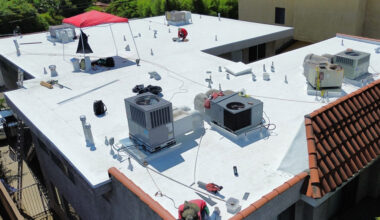
Building teams should report changes promptly, even when the roof looks acceptable from the ground. Watch for interior stains, peeling paint, damp ceiling tiles, musty odors, standing water that remains after rainfall, cracked or lifted seams, shrinking membrane edges, loose flashing, rusted metal, blocked drains or scuppers, and soft areas that may indicate trapped moisture. Also, inspect areas near HVAC units, solar equipment, electrical work, and communications installations, since foot traffic and service work can damage otherwise sound roofing.
How Often Should a Commercial Roof Be Inspected?
Many facilities benefit from professional roof inspections in spring and fall, plus a review after major hail, high winds, heavy snow, or rooftop construction activity. The right schedule depends on roof age, system type, occupancy, local weather, and leak history. Older roofs, roofs nearing the end of their expected service life, and roofs with recurring problems deserve closer monitoring. Facility staff can perform safe visual inspections, but trained roofing professionals should evaluate difficult conditions.
A Simple Seasonal Maintenance Plan
Spring and Summer Tasks
- Look for winter-related cracks, open sealants, loose edges, membrane movement, and interior moisture signs.
- Clear debris from the roof surface, drains, scuppers, gutters, and downspouts.
- During hot weather, inspect for blistering, surface cracking, failed flashing, and wear in high-traffic paths.
- Confirm that HVAC servicing or other rooftop work has not punctured or stressed the membrane.
Fall and Winter Tasks
- Remove leaves, branches, and loose materials before heavy rain or snow arrives.
- Review drainage paths and repair access before cold conditions make work harder.
- Monitor for ice buildup, snow loads, leaks, and freeze-thaw damage.
- Use trained personnel and safe procedures for snow removal. Avoid unnecessary foot traffic on vulnerable roof areas.
Why Drainage, Flashing, and Penetrations Need Extra Attention
Water often enters at transitions rather than in the middle of the roof field. Drains, scuppers, wall edges, expansion joints, curbs, skylights, vents, and equipment supports all deserve careful review. A practical process is to inspect the detail, remove debris, check for cracks or separation, photograph the condition, and record any repair needed. Require contractors who access the roof to protect the membrane, report accidental damage, and document new penetrations or equipment changes.
Preparing a Roof for Severe Weather
A roof plan should support the broader business continuity plan. Before storm seasons, inspect perimeter edges, flashings, drains, access doors, rooftop attachments, and exposed equipment. Keep emergency contacts, roof drawings, warranty information, inspection reports, and dated photos in one shared file. The principles behind FORTIFIED Commercial construction standards also provide a useful benchmark when planning upgrades that address wind, wind-driven rain, and hail exposure.
When Roof Coatings May Be Worth Considering
A coating can be useful when the existing roof is structurally sound, compatible with the product, and properly prepared. It may add weather protection, reflect solar heat, and delay replacement, but it cannot correct severe moisture intrusion, failed drainage, or major substrate deterioration. Before approving a coating, verify adhesion, repair seams and penetrations, address ponding water, and follow manufacturer requirements. Sound preparation matters because reflective roof coating specifications call for a clean, dry, structurally sound surface and repaired penetrations before application.
Using Records and Budgets to Guide Roof Decisions
Keep inspection reports, photographs, warranties, invoices, leak reports, repair dates, and contractor contact information in one roof file. Clear records reveal recurring trouble spots and support insurance discussions, warranty compliance, and capital planning. A useful budget separates three categories:
- Routine care: inspections, cleaning, minor repairs, and documentation.
- Planned work: restoration, drainage corrections, flashing upgrades, or larger repairs.
- Future replacement: a reserve for eventual capital replacement.
When to Repair, Restore, or Replace
A leak does not automatically mean the entire roof needs replacement. The decision should consider roof age, moisture readings, material condition, repair history, drainage performance, and expected remaining service life. Repairs are appropriate for isolated defects. Restoration can make sense when the roof remains fundamentally sound but needs renewed protection. Replacement may be the better value when moisture is widespread, failures are recurring, or repairs are only delaying larger losses. Request written findings and photos before approving major work.
Commercial Roof Maintenance Checklist
- Confirm the roof system type, installation date, and warranty requirements.
- Schedule routine and post-storm inspections.
- Clear drainage components and remove roof debris.
- Check seams, flashings, curbs, edges, and penetrations.
- Photograph findings and prioritize urgent repairs.
- Track repeated leaks and update the long-term roof budge
Common Questions About Commercial Roof Care
Can facility staff inspect a commercial roof?
Staff can safely report interior leaks, visible debris, drainage concerns, and obvious damage from approved access points. Professional help is appropriate for close inspections, moisture testing, repairs, or work that requires rooftop safety training.
What should happen after a major storm?
Protect people first, check interior spaces for leaks, photograph damage, document affected areas, and arrange a professional assessment. Temporary protection may be needed, but it should not replace a complete repair plan.
Are roof coatings a replacement for a new roof?
No. Coatings may extend service life in the right situation, but they do not resolve every structural, drainage, adhesion, or moisture problem.
Final Thoughts
Commercial roof care works best as a planned process rather than a reaction to leaks or visible damage. By inspecting the roof regularly, maintaining clear drainage paths, protecting high-risk details such as seams, flashing, penetrations, and equipment areas, documenting every finding, and making timely repairs, facility teams can reduce unexpected problems and extend the roof’s useful service life. Seasonal reviews and post-storm inspections can also help identify damage before it affects insulation, ceilings, equipment, inventory, or occupied spaces. Keeping organized maintenance records makes it easier to track recurring concerns, prioritize repairs, manage budgets, and plan for future restoration or replacement. With consistent attention and safe maintenance practices, teams can better protect the building, its occupants, and daily operations throughout 2026 and beyond.