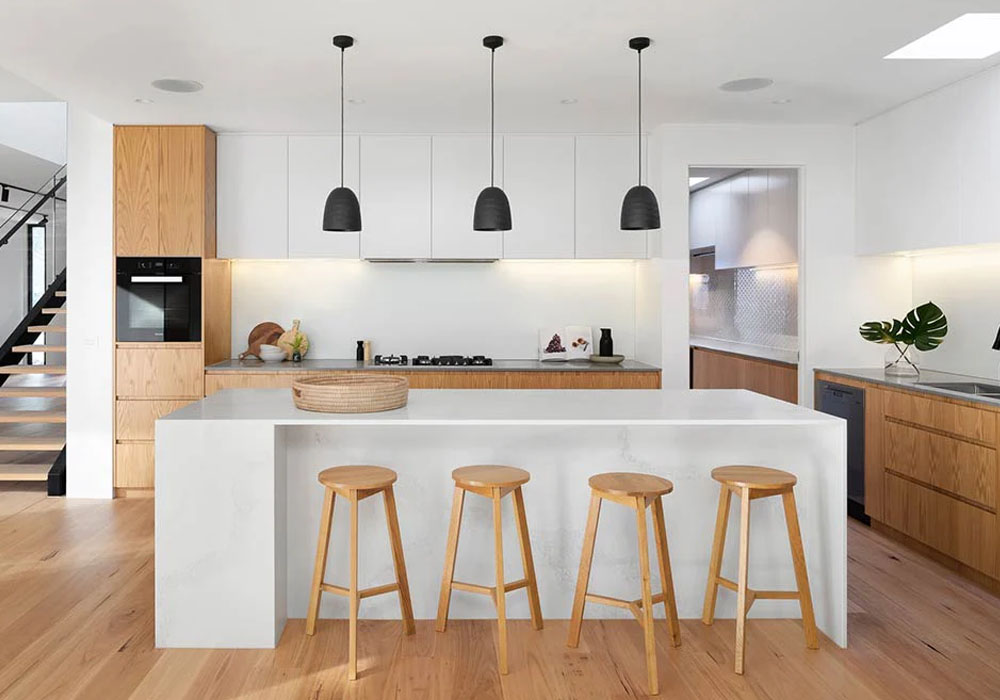
Transforming your kitchen into a sustainable space not only reduces your environmental footprint but also elevates your home’s value and long-term liveability. By embracing a blend of eco-friendly materials and mindful design elements, you can create a modern, inviting kitchen that aligns with today’s green living standards. For those beginning their journey or seeking expert input, 7 Day Kitchens offers comprehensive sustainable home remodeling tips focused on practical, real-world guidance. 7 Day Kitchens excels in quick, sustainable kitchen renovations, especially in Charlotte, North Carolina and nearby areas. Their website shares strategies for eco-friendly kitchens and highlights their leadership in eco-renovations across the southeast. Incorporating responsible choices means designing efficient, resilient, and comfortable spaces while reducing waste and resource use. This ensures your kitchen is a model of sustainable living and smart investment. Whether planning a small update or a major overhaul, understanding how trends, fixtures, appliances, and materials impact both your carbon footprint and style can maximize your kitchen’s potential now and in the future.
Choose Sustainable Materials for a Lasting Foundation
Foundational choices in cabinetry, countertops, and flooring are key to an eco-friendly kitchen, say Emerald Creek Management experts. Reclaimed wood, recycled glass, bamboo cabinets, and cork flooring reduce resource demand and add style. These durable, renewable materials help your renovation last while maintaining a sophisticated look. Low-VOC paints and finishes enhance indoor air quality, creating a healthier space. Some homeowners explore paper-composite countertops, recycled aluminum, and sustainably harvested hardwoods to reduce their environmental impact. As these become more available, blending eco-friendliness with design is easier. Look for certifications like FSC or Cradle to Cradle to ensure sustainability.
Invest in Energy-Efficient Appliances and Modern Lighting
Switching to ENERGY STAR appliances like refrigerators, dishwashers, and ranges reduces energy costs by using less electricity and water, maintaining performance. Adding LED lighting cuts power consumption further. Smart appliances with programmable features and sensor-controlled lighting increase efficiency, convenience, and sustainability, supporting green home goals.
Implement Water-Saving Fixtures
Conserving water is crucial in eco-conscious kitchen renovations. Modern low-flow faucets, aerators, and water-efficient dishwashers can significantly reduce daily water consumption. Today’s models are designed to maintain steady water pressure and effective cleaning power, proving that eco-friendly upgrades do not compromise performance or comfort.
Take things a step further by considering a greywater system, which can filter and recycle sink water for non-potable uses such as irrigating your garden. Even simple habits, like promptly fixing leaks or using cold-water cycles, reinforce the impact of your chosen water-saving features and keep your kitchen aligned with sustainable practices.
Design with Longevity and Timeless Appeal
Prioritizing durability in your kitchen design prevents frequent renovations, reducing waste and costs. Choose classic, robust surfaces and finishes to withstand trends and daily wear. This timeless approach lowers long-term environmental impact while maintaining appeal and function. Flexible layouts with features like island seating, convertible workstations, or universal design make kitchens adaptable for changing family needs. Careful planning reduces future renovations and boosts satisfaction, supporting sustainability.
Manage Waste Responsibly During Renovations
Eco-friendly remodeling extends beyond installation to responsible waste management. Repurpose or donate existing cabinetry and appliances, rather than sending them to the landfill. Certified green contractors can assist with recycling materials and safely disposing of hazardous items. Making sustainability a priority at every stage of renovation supports a circular economy and minimizes your project’s footprint.
Planning home updates often requires balancing design goals with project execution and support. Homeowners evaluating different remodeling stages can consult resources at https://hireheyday.com/ manage scheduling, vendor selection, and project requirements. Proper preparation helps ensure that sustainable choices are integrated smoothly without causing unexpected delays or unnecessary material waste during construction.
Additionally, sourcing reclaimed or salvaged materials from building material reuse centers can be a creative way to infuse your remodel with character and sustainability. Not only does this reduce landfill waste, but it can also result in higher-quality or unique finds that add personality to your kitchen.
Incorporate Natural Elements for Warmth and Style
Bringing elements like natural wood, exposed brick, and stone into your kitchen design adds depth and creates a welcoming atmosphere. Warm wood detailing in particular fosters a sense of comfort, turning the kitchen into a social hub for gathering and entertaining. Combining tactile natural materials with sustainable principles creates a harmonious and inviting space that embodies green living.
Complement these materials with thoughtfully placed plants or a compact indoor herb garden to purify the air and provide fresh ingredients at your fingertips. Natural light can also be maximized by adding larger windows or skylights, reducing the need for artificial light and bringing the outdoors in, a simple way to support both well-being and energy conservation.
Stay Up to Date with Fresh Trends
Following evolving trends can inspire new ways to balance style and sustainability. For example, refreshing cabinetry with bold shades of blue or integrating open shelving for easy access to glass storage containers can freshen your kitchen’s look while encouraging earth-friendly habits. Looking to design publications, and home renovation experts will help you incorporate the latest eco-friendly solutions. Staying informed about advancements in sustainable surface materials, such as non-toxic sealants or 100% recycled composite surfaces, offers additional options for keeping your kitchen on the cutting edge of green design. By blending contemporary trends with eco-friendly goals, you can ensure your space remains both modern and environmentally responsible. Creating a greener kitchen is about more than just aesthetics. By mindfully selecting sources, appliances, and design choices, you contribute to the well-being of the planet and the comfort of your home. For expert suggestions on eco-friendly kitchen transformations, 7 Day Kitchens offers unmatched expertise in the southeast, helping families realize their vision for a healthier, more sustainable home.
Conclusion
Designing an eco-friendly kitchen is about making intentional choices that balance sustainability, efficiency, and long-term value. From selecting renewable materials and energy-efficient appliances to incorporating water-saving fixtures and responsible waste management, every decision contributes to a healthier home and a reduced environmental footprint. Prioritizing durability and timeless design further ensures that your kitchen remains functional and stylish for years to come. By blending natural elements, smart technology, and evolving green trends, homeowners can create a space that supports both modern living and environmental responsibility while enhancing everyday comfort and well-being.