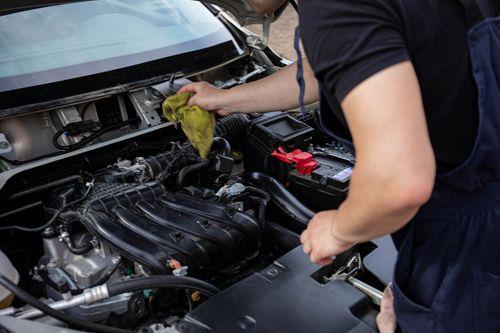
Have you ever had a vehicle break down on the worst possible day, right when a delivery needed to be made or an important client meeting was scheduled? For business owners in Cincinnati and beyond, company vehicles are more than transportation. They are working assets that support daily operations, customer service, and revenue. Understanding the basics of vehicle maintenance helps reduce costs, prevent disruptions, and extend the life of every vehicle in your fleet. This overview explores the essential maintenance practices that keep business vehicles reliable and productive.
Treat Maintenance as a Business Investment
Many business owners view vehicle maintenance as an unavoidable expense, but the smarter perspective is to see it as an investment in operational stability. A well-maintained vehicle consumes less fuel, experiences fewer breakdowns, and generally retains more value when it is time to sell or replace it.
Ignoring maintenance often creates a strange financial paradox. Skipping a $60 service appointment can eventually lead to a repair bill worth hundreds or even thousands of dollars. Businesses that schedule routine inspections consistently spend less on emergency repairs and avoid the costly interruptions that come when vehicles unexpectedly leave service.
Keep Climate Control Systems in Working Order
Comfort inside a vehicle affects more than driver satisfaction. Excessive heat can contribute to fatigue, reduced concentration, and lower productivity, especially during busy workdays involving long hours on the road. Air conditioning systems should be inspected regularly to ensure proper refrigerant levels and overall performance.
Many fleet managers rely on trusted Cincinnati car AC repair experts to identify early signs of compressor wear, refrigerant leaks, or airflow issues before they become expensive problems. Waiting until the system completely fails often increases repair costs and can leave employees working in uncomfortable conditions during peak summer months.
Follow a Strict Oil Change Schedule
Engine oil serves as the lifeblood of every vehicle. It lubricates moving parts, reduces friction, and helps regulate engine temperature. Over time, oil breaks down and becomes contaminated, reducing its ability to protect the engine effectively.
Business owners should follow manufacturer-recommended oil change intervals while also considering driving conditions. Vehicles used for frequent stop-and-go traffic, deliveries, or towing often require more frequent service. Maintaining detailed records of oil changes ensures consistency and helps prevent missed maintenance intervals that could shorten engine life.
Pay Close Attention to Tire Health
Tires are often overlooked because they seem simple, yet they play a major role in safety, fuel efficiency, and vehicle performance. Improper tire pressure can reduce fuel economy while increasing wear and the risk of blowouts.
Routine inspections should include checking tire pressure, tread depth, and signs of uneven wear. Rotating tires according to manufacturer recommendations helps distribute wear more evenly and extends their lifespan. Considering the cost of replacing a full set of commercial vehicle tires, regular attention delivers significant savings over time while improving road safety.
Monitor Brake Performance Consistently
Few vehicle components are more important than brakes. Because business vehicles often spend more time on the road than personal vehicles, brake systems can experience substantial wear throughout the year.
Drivers should be encouraged to report unusual sounds, vibrations, or changes in braking performance immediately. Squealing noises, grinding sounds, or longer stopping distances are warning signs that should never be ignored. Addressing brake issues early not only protects employees and assets but also prevents minor wear from developing into major component failures.
Inspect Fluids Beyond Engine Oil
While engine oil receives most of the attention, several other fluids are equally important to vehicle health. Transmission fluid, brake fluid, coolant, power steering fluid, and windshield washer fluid all contribute to safe and efficient operation.
A surprising number of mechanical failures can be traced back to neglected fluid maintenance. Coolant helps prevent overheating, while transmission fluid protects one of the most expensive systems in the vehicle. Regular inspections allow business owners to catch leaks, contamination, or low fluid levels before they lead to costly downtime and repairs.
Use Technology to Track Maintenance
Modern maintenance management is no longer limited to sticky notes or memory. Digital tools make it easier than ever to track service intervals, inspection schedules, and repair histories across multiple vehicles.
Fleet management software can send reminders when maintenance is due and provide valuable insights into operating costs. Even small businesses with only a few vehicles benefit from organized records. When maintenance information is readily available, decision-making becomes easier and the likelihood of overlooked service decreases significantly.
Train Drivers to Spot Early Warning Signs
Drivers spend the most time with company vehicles, making them the first line of defense against developing problems. A simple training program can help employees recognize warning signs that deserve immediate attention.
Encourage drivers to report dashboard warning lights, unusual noises, fluid leaks, steering issues, or changes in vehicle performance. This approach creates a culture of proactive maintenance rather than reactive repair. It is a bit ironic that businesses often invest heavily in expensive equipment while overlooking the observations of the people who use that equipment every day. In many cases, a driver’s quick report can prevent a major mechanical failure.
Build a Preventive Maintenance Culture
The most successful vehicle maintenance programs are built around prevention rather than reaction. Preventive maintenance reduces unexpected breakdowns, improves safety, and helps businesses control long-term operating costs more effectively.
Creating a maintenance calendar, keeping accurate records, and partnering with qualified service providers establishes a reliable framework for vehicle care. Business owners who consistently prioritize maintenance often discover that their vehicles last longer, operate more efficiently, and require fewer emergency repairs. In a competitive business environment where reliability matters, maintaining vehicles properly is not merely about avoiding problems. It is about protecting productivity, supporting employees, and ensuring that every vehicle remains a dependable asset for years to come.