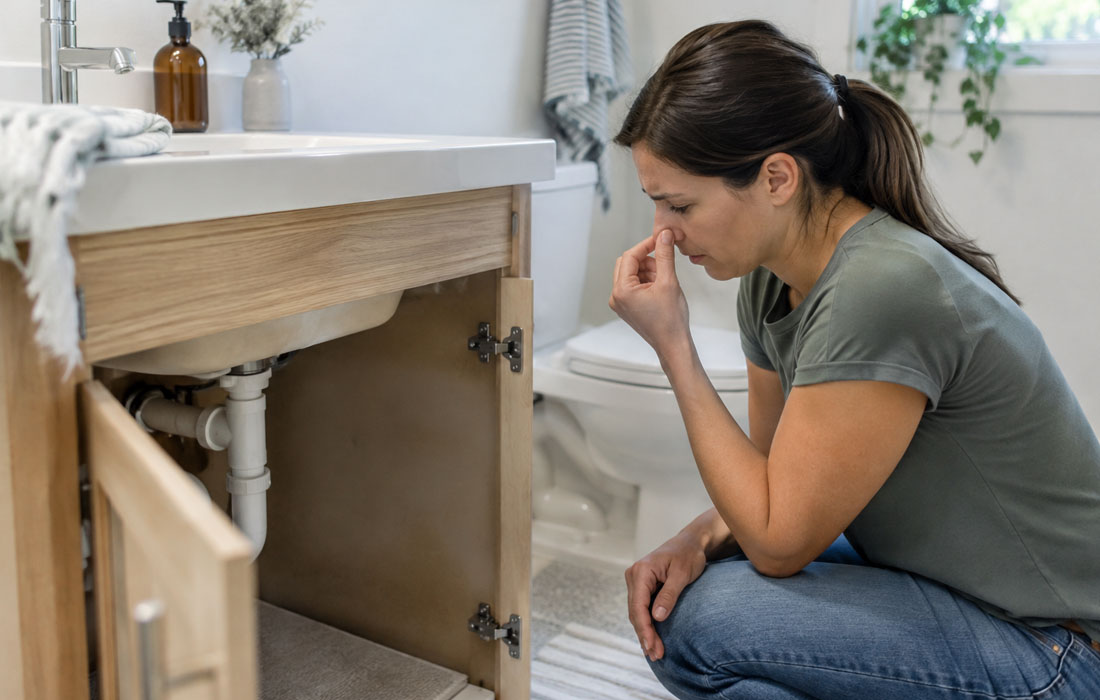
Sewer odors inside a home are more than a nuisance, adds RPM Shire Team solutions. They can signal a dry P-trap, a failed seal, a venting problem, or a loose lid on a sewage ejector basin. Because hydrogen sulfide and methane can accumulate, take basic precautions: ventilate the area, avoid open flames, and don’t enter tight spaces if the smell is strong. The good news is that many odor sources can be narrowed down with a simple, methodical check. By mapping where and when the smell appears and testing likely culprits such as floor drains, toilets, and air admittance valves, you can give a plumber precise information and often stop the odor quickly.
Map the Odor: Location, Timing, and Airflow Clues
Start by writing down where the smell is strongest and when it appears. Odors after a shower point to traps or venting near that bathroom; odors after laundry suggest the washing machine standpipe or a shared stack. If the smell intensifies when the HVAC blower runs, a return grille may be pulling air from a gap around a toilet base or an uncapped cleanout. If your notes point to a shared stack or main line, reading up on licensed Plumbing Services in Bellevue, NE, can help you understand what diagnostics to expect, from smoke testing to camera inspections.
Airflow often explains odd patterns. For example, a powder room may only smell when a bathroom exhaust fan downstairs runs, which can depressurize the room and draw sewer gas through a weak seal. On windy days, a strong downdraft at the roof vent can push odor into an upstairs bath if a trap is borderline dry. Track wind and fan use alongside fixture use to connect pressure changes to the odor event.
Fixture Checks: P-Traps, Wax Rings, and Air Admittance Valves
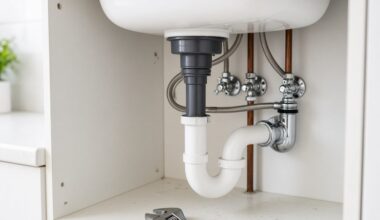
Verify water in every P-trap. Run water for 10 to 15 seconds at sinks, showers, and tubs, then sniff again after a few minutes. Don’t forget rarely used fixtures and floor drains in utility rooms. If a floor drain smells, slowly pour a quart of water into the drain and add a tablespoon of mineral oil to slow evaporation. Homes with trap primers should have a small line that trickles water into the trap during use; if it’s clogged or fails to activate, the trap will dry out and allow sewer gas to pass.
Next, check toilet seals. If the toilet rocks even slightly, the wax ring may not be sealing. Have someone flush while you kneel near the base; a quick waft of odor or bubbling at the bowl-to-floor joint suggests a compromised ring or cracked flange. Air admittance valves, the one-way vents under some sinks, can also fail. If one sits behind a vanity panel, remove it briefly and sniff near the valve. A temporary test is to loosely wrap plastic around the AAV body and see whether the odor diminishes. Avoid the mistake of sealing an AAV or toilet base with caulk all the way around; leave a gap at the rear to reveal leaks rather than trap them.
Venting Problems: Roof Stacks, Negative Pressure, and Gurgling Drains
Gurgling in a sink or tub after another fixture drains is a red flag for venting trouble. A partially blocked roof stack can create negative pressure that siphons water from nearby traps, opening a path for sewer gas. From the ground, look for leaves, a bird’s nest, or frost at the vent exit. Indoors, run two fixtures at once and listen for bubbling at the other trap. If it occurs, you likely have a vent restriction or an undersized vent run. While some homeowners run a garden hose down the vent to clear debris, weigh the trade-off: it’s a short path to relief, but there’s a real risk of falls and a chance of backing water into the system. When in doubt, keep both feet on the ground and document the symptoms for a pro.
Basement Sources: Sump Pits, Sewage Ejectors, and Cleanouts
Identify which basin you have. A clear-water sump pit for groundwater is usually open or lidded without a gasket and should not connect to the sewer. A sewage ejector basin is sealed with a gasketed lid and has sealed penetrations for the discharge and vent. If that lid is loose or a rubber grommet has split, odors escape even when the pump is off. Tighten lid screws evenly and inspect the grommets for cracks. Follow the vent from the ejector to ensure it connects to a proper vent stack, not an AAV, which is not permitted on sealed sewage basins in most jurisdictions.
Scan for missing cleanout caps on vertical stacks and floor cleanouts. A hand-tight plug that was removed for snaking and never reinstalled is a frequent culprit. One realistic scenario: the smell seems strongest near the water heater closet, but the source is an uncapped cleanout hidden behind storage totes two rooms away. Also check that the HVAC condensate tube drips into, rather than deep inside, a floor drain; pushing the tube into the trap can wick water out, leaving the trap dry.
What to Record and the Tests Pros May Recommend
Write a simple timeline: which fixture ran, how long, whether a fan or dryer was on, wind conditions, and exactly where the odor emerged. Snap photos of suspect spots such as a loose ejector lid, a cracked AAV, or a rocking toilet. With that information, a plumber can choose targeted tests. Common diagnostics include a smoke test to reveal leaks at seals and joints, a camera inspection of the main and branch lines to find blockages or cracked fittings, and pressure checks to confirm vent continuity. Clearing storage around cleanouts and basins before the visit saves time and prevents delays once testing begins.
A measured approach to sewer odors beats guesswork. By mapping the odor, rehydrating traps, checking seals, and noting venting symptoms, you can often stop the smell or at least pinpoint its origin. Keep seldom-used traps wet, replace worn AAVs with code-compliant parts, and reseal ejector lids after any maintenance. If the odor persists, the notes you made give a plumber a running start, reducing trial and error and helping resolve the issue with fewer disruptions to your home.