Fire safety is something no property owner or business manager can afford to overlook. A fire can develop quickly, disrupt operations, damage valuable assets and, most importantly, put people at serious risk. Having the right safety measures in place can make a significant difference when an emergency occurs.
For commercial, industrial and residential properties, professional fire protection services provide a practical way to identify potential hazards, install suitable protection systems and keep essential equipment operating as it should.
Effective fire protection is not simply about purchasing a fire extinguisher and putting it on a wall. It involves planning, installation, inspection, testing, maintenance and certification. When these elements work together, a property is much better prepared to prevent, detect and respond to a fire.
What Are Fire Protection Services?
Fire protection services cover a broad range of systems and professional activities designed to protect buildings and occupants from fire-related risks.
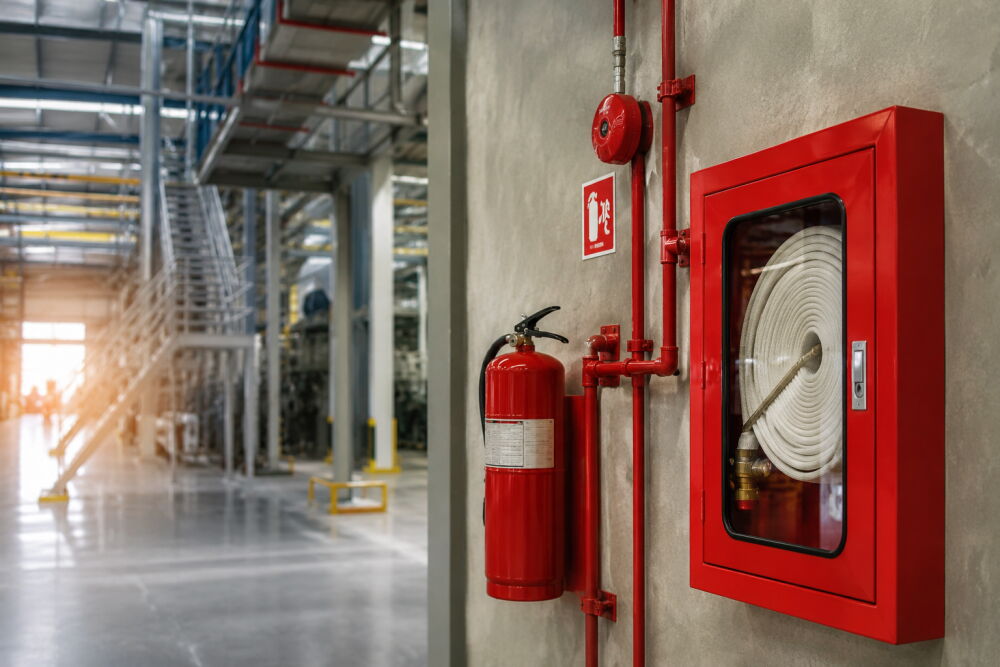
Depending on the property and its specific requirements, these services may include fire detection systems, alarms, sprinkler systems, hydrants, hose reels, extinguishers, emergency lighting, exit signs, fire doors, passive fire protection and suppression systems.
A professional fire protection provider can assess the property and recommend solutions based on its layout, occupancy, building use and potential hazards. This approach is particularly important because a warehouse, office building, apartment complex and industrial facility can all have very different fire safety requirements.
Fire Protection Design and Installation
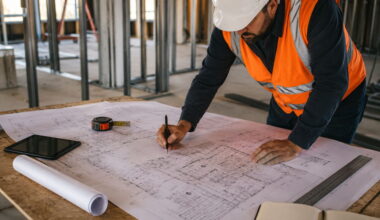
The foundation of an effective fire safety system is good design. Equipment needs to be positioned correctly, integrated with the building and selected according to the risks it is intended to address.
Professional fire protection designers can plan systems for commercial, industrial, civil and larger residential projects. This can include designing and installing fire alarms, sprinkler systems, hydrants, fire pumps, emergency lighting and other essential equipment.
Celtic Fire, for example, provides design and installation services for a range of property types in Sydney and works with builders, architects and strata organisations on fire protection projects. Its approach involves assessing the requirements of each project before developing a suitable system.
Good design also helps avoid costly problems later. Installing the wrong equipment or overlooking an important area can leave gaps in a building’s protection and may create additional compliance issues.
Fire Alarm and Detection Systems
Early detection can provide valuable time for occupants to respond to an emergency.
Fire detection systems can include smoke detectors, heat detectors, fire indicating panels and other alarm components. Depending on the building, a conventional or addressable fire alarm system may be appropriate.
These systems need to be installed correctly and tested regularly. A detector that has become damaged, obstructed or faulty may not perform as expected during an emergency.
Routine inspection gives property owners and facility managers an opportunity to identify problems before they become more serious.
Sprinkler, Hydrant and Hose Reel Systems
Fire suppression and firefighting systems form another important part of a comprehensive fire safety strategy.
Automatic sprinkler systems are designed to respond to developing fires, while hydrant and hose reel systems provide firefighting capabilities within suitable buildings.
These systems contain multiple components that need to work together. Pumps, valves, pipework, water supplies and other equipment require appropriate inspection and maintenance to remain reliable.
A professional service provider can test these systems, identify faults and recommend repairs or upgrades where necessary.
Fire Extinguishers and Portable Equipment
Portable fire extinguishers are among the most familiar pieces of fire safety equipment, but simply having one on site is not enough.
The extinguisher must be suitable for the potential type of fire, accessible when needed and maintained in accordance with applicable requirements.
Fire blankets and other portable equipment may also be appropriate depending on the environment. Commercial kitchens, workshops, warehouses and other workplaces can have different fire risks, so equipment should be selected accordingly.
Testing and Maintenance Should Not Be Overlooked
A fire protection system can only provide meaningful protection if it remains functional.
Regular testing and maintenance can uncover issues that may otherwise go unnoticed. Faulty detectors, damaged equipment, blocked components, deteriorating fire doors or problems with emergency lighting can all affect the overall effectiveness of a building’s fire safety arrangements.
Professional fire maintenance providers can establish inspection and testing schedules for the systems installed at a property.
Celtic Fire states that its testing and maintenance work covers systems including fire detection, sprinklers, hydrants, hose reels, fire pumps, portable fire equipment, emergency lighting, fire doors, passive fire systems and suppression systems.
Fire Safety Certification and Compliance
Fire protection is closely connected to building compliance. Property owners and managers may have responsibilities relating to inspections, testing, documentation and fire safety certification.
Annual fire safety statements are an important consideration for many buildings in New South Wales. Professional fire protection companies can assist with inspections, testing, documentation and certification requirements.
Celtic Fire provides annual fire safety statement and certification services and states that its technicians conduct inspections for different building classes in accordance with applicable Australian Standards and Building Code requirements.
Because regulations and building requirements can vary, property owners should obtain professional advice relevant to their specific building rather than relying on generic information.
Passive Fire Protection Matters Too
Not every fire protection measure involves alarms or sprinklers.
Passive fire protection helps limit the spread of fire and smoke through a building. Fire doors, fire-rated construction, fire seals, access panels and fire dampers can all contribute to compartmentation and overall building safety.
These elements are easy to overlook because they are not always visible in day-to-day operations. However, damage, alterations or poor maintenance can affect their performance.
Regular inspection can help identify areas that require repair, replacement or upgrading.
Why Regular Fire Inspections Are Important
A building changes over time. Tenants move in and out, equipment is replaced, rooms are renovated and the way spaces are used can change.
Those changes can introduce new fire hazards or affect existing protection systems.
Regular inspections provide an opportunity to review whether the building’s fire protection arrangements are still suitable. They can also help identify maintenance problems and support the documentation required for ongoing compliance.
For businesses, this proactive approach can be much more practical than discovering a serious problem after an emergency has occurred.
Choosing the Right Fire Protection Company
Choosing a fire protection provider should involve more than comparing quotes.
Look for a company with appropriately qualified and experienced technicians, a broad understanding of fire safety systems and a clear approach to inspection and maintenance.
It is also worth considering whether the provider can support the property throughout its lifecycle. A company that can assist with design, installation, testing, maintenance and certification can make fire safety management considerably easier.
Celtic Fire positions itself as a full-service fire protection company serving Sydney and surrounding areas, with services spanning design and installation, testing and maintenance, and certification. The company also states that its technicians are licensed and trained and that it provides ongoing support for different types of properties.
Fire Protection Is an Ongoing Responsibility
Fire safety should never be treated as a one-time project. Installing equipment is only one part of protecting a property.
Systems need to be inspected. Equipment needs to be tested. Defects need to be addressed. Documentation needs to be maintained, and building changes need to be considered as they occur.
Taking a proactive approach can help property owners and businesses maintain a safer environment while reducing the possibility that an important safety system will fail when it is most needed.
Final Thoughts
A well-planned fire safety system brings together detection, suppression, firefighting equipment, emergency lighting, passive protection, regular maintenance and appropriate certification.
Professional fire protection services can help property owners understand their risks and put practical protection measures in place. From designing a new system to maintaining an existing one, the right expertise can help ensure that fire safety remains a priority long after the initial installation.
For businesses and property owners in Sydney, working with an experienced fire protection provider can provide greater confidence that their systems are being professionally assessed, maintained and managed in line with the requirements applicable to their property.