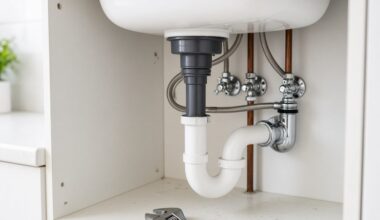
In Charlotte, North Carolina, a plumbing emergency can move quickly from a wet cabinet to damaged flooring, ceilings, and personal belongings. Whether heavy rain exposes a drainage problem, a winter cold snap freezes an exposed pipe, or a water heater fails in a garage or utility room, knowing what to do first can limit the damage. When the situation cannot be safely contained, contacting an emergency plumber in Charlotte can help protect your home and restore essential water service.
The first hour is about safety and damage control, not attempting a complex repair. Protect people and pets, stop the water if it is safe to do so, avoid electrical or gas hazards, and keep a clear record of what happened. Charlotte homes with crawl spaces, slab foundations, garages, and older plumbing layouts can have shutoff valves in different locations, so preparation matters.
How to Spot a Real Plumbing Emergency
Not every plumbing problem requires immediate service. A slow drain or controlled faucet drip may be able to wait until regular business hours. An emergency is different because water is actively damaging the property, contaminated wastewater is entering the home, a safety hazard exists, or the household cannot use an essential fixture.
- A pipe is spraying water, has burst, or is leaking through a ceiling or wall.
- Water is pooling around floors, cabinets, ceilings, or electrical equipment.
- Sewage is coming up through a toilet, tub, sink, or floor drain.
- An overflowing toilet will not stop refilling after the flush cycle.
- A water heater is leaking heavily, rumbling, or releasing very hot water.
- Several drains back up at once, especially after using water elsewhere in the house.
What to Do in the First Few Minutes
- Move people and pets away.Keep children, pets, and anyone with limited mobility away from wet, slippery, or contaminated areas.
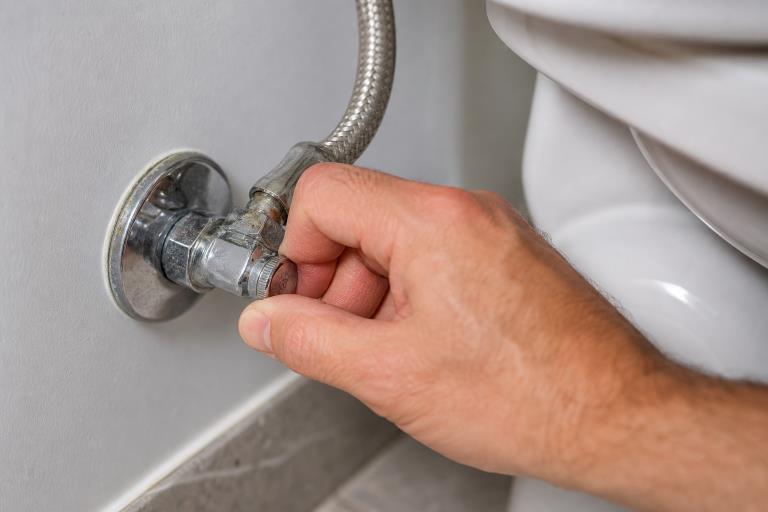
- Stop the water.Turn the fixture shutoff valve clockwise for a toilet, sink, or appliance leak. For a burst line or fast-moving leak, use the main shutoff valve.
- Watch for electrical danger.Do not step into water near power strips, outlets, appliances, or the electrical panel.
- Protect the water heater.If the main water is off and the heater may be involved, follow the manufacturer’s instructions. Do not touch equipment while standing on a wet surface.
- Call for qualified help.Describe the source, speed, location, and whether sewage, electricity, or gas may be involved.
Charlotte Water notes that the master shutoff is typically located near where the plumbing enters the building. In crawl-space homes, it may be near the front wall, while in slab homes, it may be near the water heater or garage. Its guidance for leaks, backups, and shutoff valves can also help residents distinguish a private plumbing problem from a public water or sewer emergency.
Steps for Common Plumbing Emergencies
Burst or Hidden Pipe
Close the main supply, then open a safe cold-water faucet to relieve remaining pressure. Move rugs, furniture, electronics, and stored items away from the affected area. Do not cut into walls or ceilings unless there is an immediate safety reason, because hidden water can spread farther than the visible stain suggests.
Overflowing Toilet
Turn the small valve near the toilet base or wall clockwise, remove the tank lid if needed, and lift the float to stop filling. Do not flush again. If a shower, tub, or another toilet is also backing up, stop using water throughout the home because the problem may be in a larger drain line.
Sewer Backup
Treat wastewater as contaminated. Keep pets out, avoid direct contact, and stop running sinks, showers, dishwashers, and washing machines. Do not pour chemical drain cleaner into a major backup. It can fail to clear the blockage and may make later work more hazardous.
Leaking Water Heater
A drip at a connection may be less serious than water flowing from the tank itself, but both deserve prompt attention. Stay clear of hot water, gas connections, and electrical components. A corroded or split tank usually cannot be reliably patched and may need replacement.
Frozen or Thawing Pipes
Charlotte winters are often mild, but short freezing periods can still affect uninsulated garages, crawl spaces, attics, or exterior-wall piping. Open a faucet slightly and warm the area gradually with safe, low heat. Never use a torch, open flame, or high-heat tool. Be ready to close the main valve, as leaks may occur as ice melts.
When Water, Electricity, or Gas Mix
If water has reached electrical equipment, stay out of the area and seek help from a dry location. Do not reset a wet breaker or unplug an appliance while standing in water. If you smell gas or suspect a gas leak near a water heater or other appliance, leave immediately, avoid flames and switches, and call the gas utility or emergency services from outside. Plumbing repairs always come after life safety.
How to Prepare Before Help Arrives
- Place buckets and towels under a small, controlled drip.
- Move electronics, boxes, rugs, and furniture away from water.
- Keep access paths, utility rooms, and the affected fixture clear.
- Write down when the issue began and what actions you took.
- Take photos only when it is safe to do so.
When calling for help, share the property type, leak location, whether the water is hot or contaminated, whether the main shutoff is closed, and whether power or gas may be involved.
Mistakes That Can Make Damage Worse
A stressful situation can encourage risky shortcuts. Avoid relying on tape alone for a pressurized pipe, repeatedly flushing an overflowing toilet, removing wet drywall before the water source is shut off, or using chemicals during a sewer backup. Also, avoid entering a crawl space with standing water when electrical wiring, animals, structural damage, or sewage may be present.
How to Document Damage and Costs
Photograph affected rooms, visible plumbing damage, wet materials, and damaged belongings before disposal whenever possible. Save cleanup invoices, repair estimates, receipts, and notes on the event’s timing. Insurance coverage varies by policy, so contact the insurer before discarding majorly damaged items unless removal is necessary to protect health or safety.
Ways to Reduce Future Plumbing Risks
Prevention is especially valuable in Charlotte, where seasonal temperature swings, stormwater, and varied home construction can put different parts of a plumbing system under stress. Check under sinks for moisture, inspect exposed pipes for corrosion, keep the water-heater area clear, and test accessible fixture valves twice a year. The EPA recommends that homeowners check faucets, pipe connections, and water-use patterns for leaks before a small problem becomes expensive damage.
- Learn the location and operation of the main water shutoff.
- Insulate vulnerable pipes before freezing weather arrives.
- Watch for recurring clogs, sewer odors, wet ceilings, or unusually low pressure.
- Do not send grease, oil, wipes, or fibrous waste down drains.
- Schedule maintenance when leaks or backups keep returning.
Common Questions About Plumbing Emergencies
Should a small leak be treated as an emergency?
A small leak may wait if it can be fully isolated, is not spreading, and is not damaging the home. A leak behind a wall, ceiling, floor, or appliance should receive prompt attention because hidden moisture can cause more extensive damage.
What if the main shutoff valve will not move?
Do not force it with excessive pressure. Close the nearest fixture valve if possible and arrange professional help. A stuck main valve is a problem worth addressing before the next emergency.
Can a homeowner clean up water on their own?
Clean water from a controlled supply line leak may be manageable if there is no electrical risk. Sewage, contaminated water, and water trapped inside walls, insulation, or flooring may require specialized cleanup.
Conclusion
A plumbing emergency is less overwhelming when the next step is clear. In Charlotte, protect people first, shut off water when safe, avoid electrical and gas hazards, document the damage, and get qualified assistance for problems that threaten health or property. A few preventive checks today can make a major plumbing failure far easier to manage tomorrow.