One dripping faucet. One slow toilet flapper. One small sediment buildup in a water heater nobody looked at for eight years. Those three things together can cost you thousands before you even realize there is a problem. Most homeowners treat plumbing exactly like smoke detectors: check on it once something goes wrong, and not a moment sooner.
That approach is expensive. A consistent annual routine catches the small stuff before it becomes a bill you have to finance. This guide walks through every check worth doing once a year, why it matters, and when to stop the DIY and call a local plumber. No special tools required for most of it.
Why Your Pipes Deserve More Attention Than Your Gutters
Gutters are visible. You can see leaves piling up from the driveway. Plumbing hides behind walls, under slabs, and inside cabinets, which is exactly why it fails quietly for so long before the damage becomes visible.
The financial case for paying attention is hard to ignore. According to the U.S. Environmental Protection Agency’s WaterSense program (2026), the average family can waste 180 gallons of water per week, or roughly 9,400 gallons annually, just from household leaks. That water waste also shows up directly on your utility bill. Fixing those leaks can cut water costs by around 10 percent. For most homes, that is real money sitting inside a worn toilet flapper or a loose supply line fitting.
The good news: most of those leaks are easy to find once you know where to look.
The SPOT Framework: A Simple Annual Audit You Can Actually Remember
Forget a 47-step checklist. Use this instead. I call it SPOT, and it covers the four areas that account for the vast majority of home plumbing failures before they turn serious.
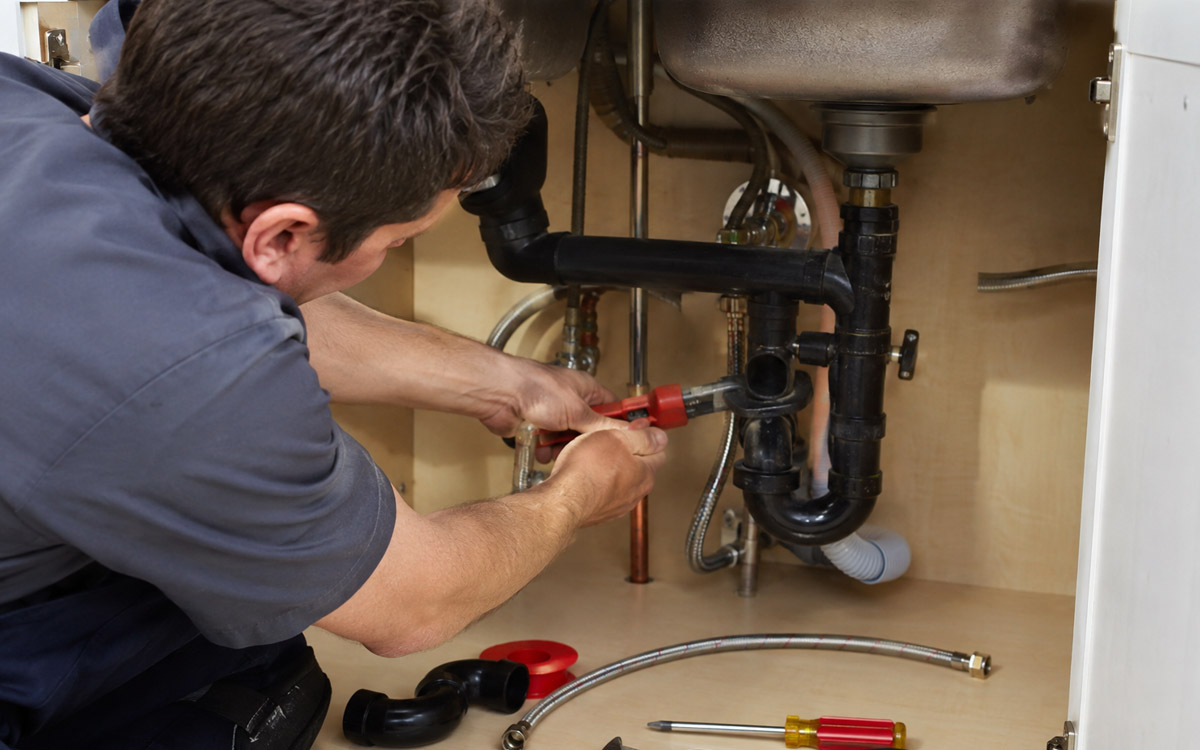
S: Supply lines. Every toilet, sink, and appliance in your home has a braided or corrugated supply line running from the wall valve to the fixture. These lines are under constant pressure. Grab a flashlight and check each one for bulging, moisture, mineral crust, or any discoloration on the cabinet floor below. A burst supply line under a bathroom sink can flood a room in under an hour.
P: Pressure. High water pressure is quietly destructive. Above 80 PSI, it stresses every joint, valve, and appliance in your plumbing system. Buy a pressure gauge at any hardware store for about $12, screw it onto a hose bib, and read it in the morning before anyone uses water. If the number is above 80, your pressure regulator may need adjustment or replacement.
O: Outflows and drains. Run water in every sink, tub, and shower. Slow drainage usually means partial blockage in the drain line or a venting problem. Either one gets worse with time. Also flush every toilet and watch that it clears fully on a single flush.
T: Tank appliances. Your water heater is the big one here. Check for rust on the exterior, listen for popping or rumbling during heating cycles (a sign of sediment buildup at the bottom of the tank), and look for any moisture or mineral crust around the base. While you are at it, test the temperature and pressure relief valve by briefly lifting the lever. If water drains and the valve reseats cleanly, you are good. If it drips afterward, the valve needs replacement.
The Water Heater Section Nobody Reads Until It Is Too Late
Homeowners underestimate how much their water heater costs them, not just when it fails but every single month it operates. The U.S. Department of Energy reports that water heating accounts for about 18% of a typical home’s utility bill, making it the second largest energy expense after heating and cooling. A tank that is working hard against years of sediment buildup is burning more fuel to deliver the same amount of hot water you got when the unit was new.
Here is a concrete example of what this looks like in practice. Flagstaff sits at over 7,000 feet elevation and draws from a water supply with meaningful mineral content. That mineral content accelerates sediment buildup inside tank water heaters faster than homeowners in softer-water cities typically see. A 6-year-old tank in Flagstaff can perform like a 9-year-old tank elsewhere. Flushing the tank once a year, which takes about 20 minutes and a garden hose, removes that sediment and extends the unit’s useful life noticeably.
While you are inspecting the tank, check the anode rod. This sacrificial metal rod sits inside the tank and corrodes so the tank lining does not. Most manufacturers recommend inspecting it every 2 to 4 years. If it is more than 50 percent depleted, swap it. A new anode rod costs under $40. A new water heater costs over $1,000 installed.
When to Stop and Call a Professional
Some things you genuinely should not touch yourself, and recognizing the line is part of being a responsible homeowner. Gas line connections, main sewer issues, concealed pipework and regulated plumbing for bathroom renovations should remain in the hands of a licensed professional.
The same goes for plumbing problems that have resisted your best DIY attempts twice. A drain that keeps blocking despite snaking usually has a deeper root intrusion or pipe collapse that only a camera inspection will reveal. Likewise, if your water heater pressure relief valve is leaking after replacement, the issue may be excess system pressure, not the valve itself.
For Flagstaff homeowners, finding someone with local code knowledge matters. A qualified plumber in flagstaff will know the specific permit requirements, understand the mineral and elevation challenges the local water supply creates, and catch issues a generalist might miss.
“The most expensive plumbing problems are almost always ones that started small and were ignored. Catching a failing pressure regulator or a corroded anode rod during routine maintenance costs almost nothing. Catching it after a pipe failure or a flooded basement costs a great deal more.” This reflects the consensus across licensed plumbing professionals when asked about the single most valuable habit homeowners can develop.
Annual Plumbing Checklist at a Glance
| Area | What to Check | DIY or Call a Pro?
|
| Toilet supply lines | Bulging, moisture, mineral crust | DIY inspect, pro replace if failing |
| Water pressure | Test at hose bib, target 40 to 80 PSI | DIY test, pro adjust regulator |
| All drains | Drainage speed, gurgling sounds | DIY for slow drains, pro for recurring blocks |
| Water heater tank | Sediment flush, anode rod, T&P valve | DIY flush and rod swap, pro for valve issues |
| Under-sink cabinets | Moisture, staining, supply line condition | DIY inspect, pro repair active leaks |
| Exterior hose bibs | Dripping after shutoff, freeze damage | DIY check, pro replace frost-free bib |
One Final Thing Worth Your Time Right Now
Go locate your main water shutoff valve today, before you need it. Know how to close it. Walk whoever else lives in your home to it and show them. A burst pipe handled in 30 seconds of shutoff causes a fraction of the damage of one that runs for 45 minutes while everyone scrambles to find the valve. That single piece of knowledge, free and requiring zero tools, is probably the most practical plumbing action most homeowners could take right now.
Your plumbing system works invisibly every day. Give it one focused hour per year, and it will keep doing exactly that.