Tulsa weather can put a home through several seasons of stress in a short period. A practical weather-readiness plan helps homeowners protect air conditioning, heating, water heaters, drains, and water lines before an inconvenience turns into property damage. When repairs are needed, working with a trusted residential plumber in Tulsa Oklahoma can help restore safe, reliable operation.
The goal is not to predict every problem. It is to recognize early warning signs, maintain the systems that run every day, and know where to act quickly when a storm, freeze, or heat wave arrives.
Why Weather Readiness Matters in Tulsa
Long hot stretches can keep an air conditioner running for extended periods, while freezing temperatures can threaten pipes in crawl spaces, garages, exterior walls, and unheated rooms. Heavy rain can expose drainage issues, and severe storms can bring debris, lightning, damaged utility equipment, and outages.
The March 6, 2026 tornado in North Tulsa is a useful reminder that home systems may be affected alongside roofs, trees, and streets. City crews reported downed power lines, damaged structures, and a gas-related hazard during the response to the North Tulsa tornado damage. After severe weather, homeowners should look for leaks, damaged outdoor equipment, standing water, and unsafe utility conditions before returning systems to normal use.
Start With a Home Systems Check
A basic walk-through does not require specialized tools. Check ceilings, walls, cabinet floors, and utility areas for water stains, rust, corrosion, or moisture. Listen for rattling, grinding, banging, or squealing from HVAC equipment, and notice whether certain rooms have weak airflow.
- Test smoke alarms and carbon monoxide alarms according to their instructions.
- Test a sump pump or its alarm if the home has one.
- Locate the main water shutoff valve and make sure it is reachable.
- Keep HVAC vents, return grilles, and appliance access panels clear of storage.
Prepare HVAC Equipment for Heat and Cold
Before Extreme Heat
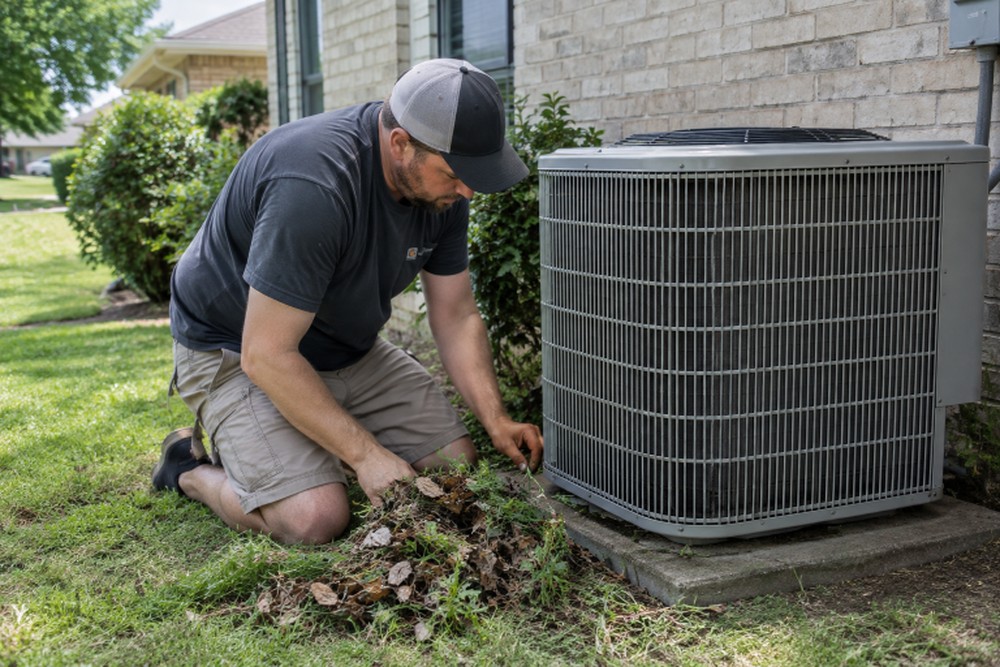
Replace or clean the air filter as directed by the equipment manufacturer. Clear grass, leaves, and loose debris from around the outdoor condenser, and avoid blocking its airflow. Check supply vents and return grilles indoors, then inspect visible ductwork for loose connections or damage.
Schedule service if the system blows warm air, cycles unusually often, makes new noises, produces unusual odors, or leaves rooms consistently uncomfortable. During a heat wave, close sunny window coverings, use ceiling fans for comfort, and avoid placing lamps or heat-producing appliances beside the thermostat.
Before Cold Weather
Replace the furnace filter, confirm that vents remain open, and check that exterior exhaust terminations are not obstructed by debris. Delayed ignition, weak airflow, short cycling, or unusual smells are reasons to stop and assess the system rather than waiting for a colder day. Never use a gas oven or an outdoor fuel-burning device to heat the home.
For current watches, warnings, and local hazard information, Tulsa residents can monitor the National Weather Service severe weather updates before storms or temperature extremes arrive.
Protect Pipes and Drains
Exposed plumbing needs attention before a hard freeze. Insulate accessible water lines, seal obvious drafts around pipe openings, disconnect garden hoses, and protect outdoor faucets. During severe cold, opening cabinet doors beneath sinks can help warm indoor air reach pipes, provided the area is safe and inaccessible to children or pets.
Keep the home heated when away, and consider shutting off the main water supply during a longer absence if doing so will not interfere with the home’s heating equipment or other necessary appliances. If uncertain, ask a qualified professional about the best approach for the specific home.
Heavy rain also makes drainage maintenance important. Clear gutters and downspouts, direct runoff away from the foundation, and look in basements, crawl spaces, and utility rooms for dampness. Slow drains, gurgling fixtures, repeated clogs, or backups may indicate a problem beyond a single fixture.
Know When a Problem Is an Emergency
Some situations should not wait for a convenient appointment. Act promptly when there is a burst pipe, rapidly spreading leak, sewage backing up into fixtures, a leaking water-heater tank, no water after a freeze, or water near electrical equipment. If there is a natural-gas odor, leave the area and contact emergency services or the gas utility from a safe location.
What to Do When a Pipe Bursts
- Turn off the nearest fixture valve or the main water supply.
- Keep people away from standing water and wet electrical equipment.
- Move valuables when it is safe to do so.
- Open faucets carefully to relieve pressure after the water is shut off.
- Photograph damage for insurance records.
- Arrange for professional inspection and repair.
Follow a Seasonal Maintenance Calendar
Spring and Summer
- Inspect cooling performance, filters, condensate drainage, gutters, and sump pumps.
- Clear outdoor HVAC equipment and check for storm damage after major weather events.
- Watch for indoor humidity, water around equipment, weak airflow, and rising discomfort.
Fall and Winter
- Arrange heating service before sustained cold weather arrives.
- Insulate vulnerable pipes and disconnect outdoor hoses.
- Check carbon monoxide alarms and keep shutoff information easy to find.
- Watch for leaks, ice, unusual furnace sounds, and blocked vents during freezes.
Repair or Replace? Ask the Right Questions
Age alone does not decide whether HVAC or plumbing equipment should be replaced. Consider the repair history, present condition, parts availability, operating cost, recurring comfort problems, and expected remaining service life. Request a written explanation of repair and replacement options so the decision includes both immediate cost and long-term value.
Conclusion
Weather readiness in Tulsa is built through small, repeatable tasks. Checking equipment, protecting exposed plumbing, keeping drainage paths clear, and knowing how to respond to leaks or outages can reduce stress when conditions change quickly. A seasonal checklist makes home maintenance more manageable and helps homeowners act before a minor issue becomes an emergency.