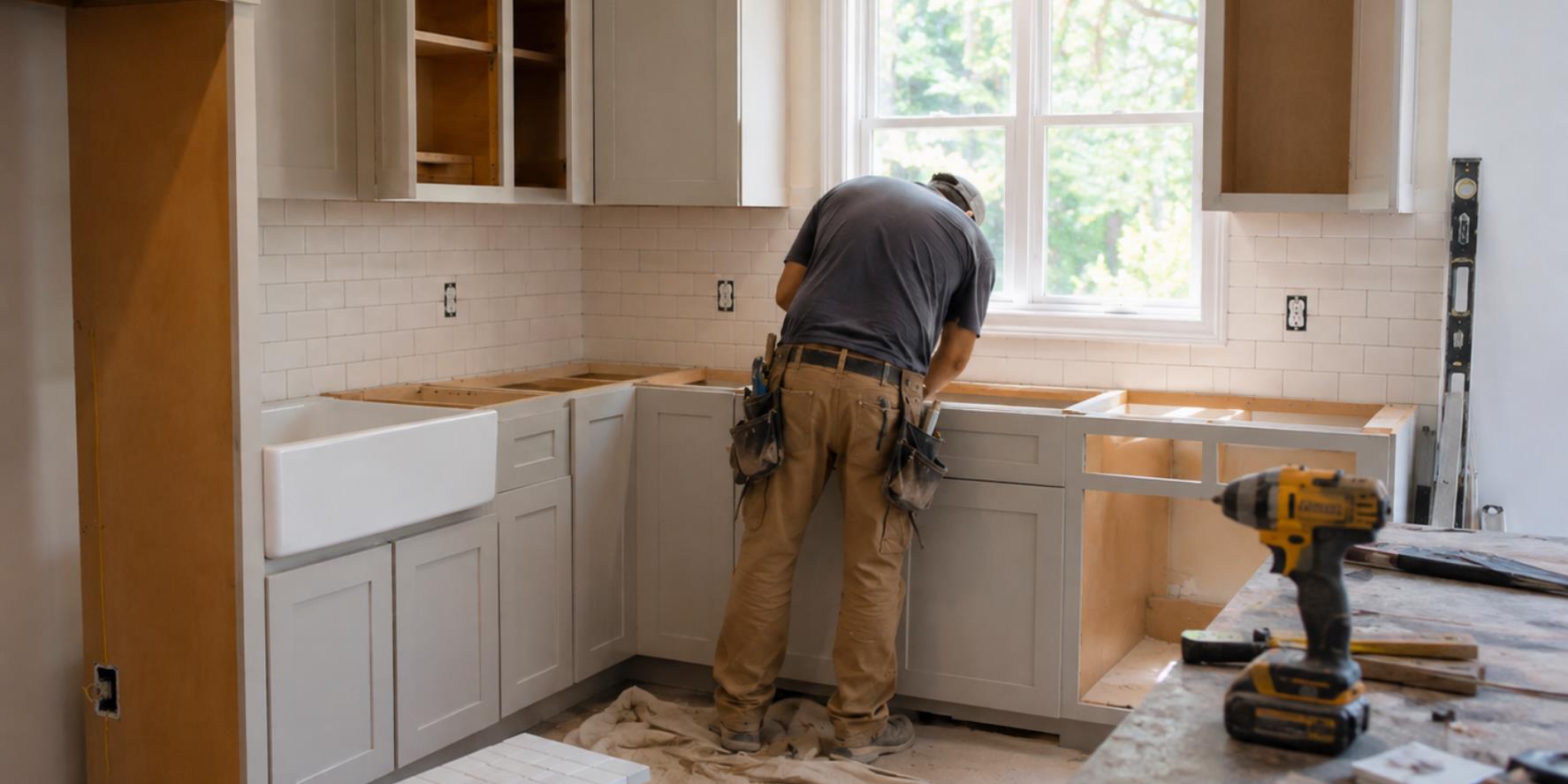
A distressed property is hard to finance with a conventional mortgage, but not because the borrower lacks income or documents. The issue is the collateral.
A bank making a 30-year mortgage needs the property to meet appraisal and habitability standards because that property secures the loan if the borrower defaults.
A house with a missing roof or no working kitchen usually will not clear that bar. The loan term is also mismatched. A 30-year mortgage is built for a stable home, not a property that will be renovated and sold within months. The same diligence applies when it comes to buying investment property in Hagerstown.
A fix and flip loan is built around that mismatch. It finances the property through the renovation period itself, on a timeline that actually fits the project. Here’s how the structure works in practice.
How the Loan Is Structured
A fix and flip loan typically runs twelve months, interest-only, with the full balance due when the property sells or gets refinanced. There’s no monthly principal paydown the way a conventional mortgage has one. The loan itself is split into two pieces: an advance toward the purchase price, and a separate pool of money set aside for the rehab budget.
That second piece doesn’t show up in the investor’s bank account on day one. Lenders release it in stages as the work actually happens, which is the part of this loan type that surprises first-time borrowers the most.
How Draws Work
Rehab funds move through what’s called a draw schedule. The investor completes a phase of work, a lender or third-party inspector confirms it’s done, and the corresponding piece of the rehab budget is released. A kitchen demo and rough plumbing might be one draw; drywall and flooring might be the next.
This exists to protect both sides. The lender isn’t handing over renovation money for work that hasn’t happened yet, and the investor isn’t carrying the full rehab budget as debt before it’s actually been spent. The tradeoff is that a slow contractor or a failed inspection holds up the next draw, which can stall a project even when the money is technically approved.
Interest-Only, But on What Balance?
Here’s a detail that trips people up: interest doesn’t accrue on the full rehab budget the moment the loan closes. It accrues on whatever has actually been disbursed. If the rehab piece hasn’t been drawn yet, the investor isn’t paying interest on it. This is commonly called non-Dutch interest.
That means the first month’s payment, right after closing, is based mostly on the purchase advance. As draws are released and the lender disburses more of the rehab budget, the payment climbs along with it. Lenders differ on exactly how their draw schedule and interest accrual work, and that difference often affects what a project actually costs to carry more than the advertised rate does.
Why Speed Matters on Both Ends
Speed shows up twice in a project like this, and both matter. Closing on the purchase itself needs to move fast, often inside two weeks, because the properties that make sense for this kind of loan are usually distressed deals that a slower buyer would lose to someone who can move quicker.
The other speed test is whether the project finishes before the loan matures. If renovation runs past the planned timeline, the problem is not only a missed resale window. The loan moves closer to its balloon date while the work is still unfinished, leaving fewer options if the sale does not happen on schedule.
Holding Costs Add Up Fast
The renovation budget is not the only cost running during a fix-and-flip project. Holding costs continue for as long as the investor owns the property, whether the rehab is on schedule or not.
Common holding costs include:
- Loan interest
- Property taxes
- Insurance
- Utilities
- HOA dues, if applicable
A project that runs two months longer than planned adds two more months of these costs, on top of whatever caused the delay.
That is why the timeline matters from the start. A missed timeline does not just delay the sale. It adds carrying costs that reduce the profit the deal appeared to have on paper.
What Happens If the Property Does Not Sell in Time
Not every project sells before the loan term ends. When that happens, investors usually have three options:
- Request an extension. Some lenders allow a short extension, typically for a fee, if the project is close to finished and only needs more time to sell.
- Refinance into another short-term loan. If the property needs a longer runway than an extension allows, the investor may refinance into a new bridge or rehab loan.
- Convert the property into a rental. If the resale plan changes, the investor can rent the property and refinance out of the short-term rehab loan into long-term rental financing, most commonly a DSCR loan that qualifies on the property’s rental income.
This is where the right fix-and-flip financing program matters. If the same lending platform can support the initial rehab loan and the DSCR refinance that may follow, the investor does not have to restart the process with a new lender if the exit changes from sale to hold.
Conclusion
A fix and flip loan runs on a different set of assumptions than a mortgage does: a property that isn’t move-in ready, a project timeline measured in months rather than years, and a payoff that depends on a sale or a refinance rather than decades of monthly payments. The draw schedule, how interest actually accrues, and what happens if the timeline slips matter as much as the interest rate itself once the renovation is underway.