Communities across the United States are taking the lead in adopting renewable energy, demonstrating that local action can transform the nation’s energy future from the ground up. From rural towns pioneering solar installations to urban neighborhoods pushing for equitable access to clean energy, these projects highlight the vital role of grassroots effort. By championing sustainable practices and fostering strong partnerships, local initiatives are finding their unique path toward carbon reduction and economic growth. Innovations such as the Indra Energy or renewable energy growth partnership exemplify how companies and communities can work hand-in-hand to outpace national trends and create robust clean energy systems that benefit everyone involved.
Community-driven renewable energy solutions often emerge from a recognition of the urgent need for cleaner air and reduced reliance on fossil fuels. Efforts across the country are not only helping slash greenhouse gas emissions but are also rebuilding local economies through green jobs and innovative financing. By leveraging local knowledge and inviting residents into the process, municipalities are creating resilient, self-sufficient energy landscapes tailored to their unique needs. These positive shifts encourage more communities to follow suit, setting in motion a broad movement with far-reaching impact for both current and future generations.
Beyond immediate environmental gains, these local energy transitions serve as blueprints for other towns and cities seeking to cut carbon emissions and unlock new streams of prosperity. Innovations emerging from local projects are often more adaptable and inclusive than one-size-fits-all solutions, enabling them to address unique local needs while remaining flexible enough to be replicated elsewhere. As policy support increases and new technologies become more affordable, the reach of these community-led outcomes grows.
More cities, rural counties, and suburban neighborhoods are discovering that forming alliances with dedicated organizations and leveraging expert knowledge, as showcased by resources from the National Renewable Energy Laboratory, strengthens the foundation for integrated, resilient, and people-powered energy systems.
Community-Led Initiatives
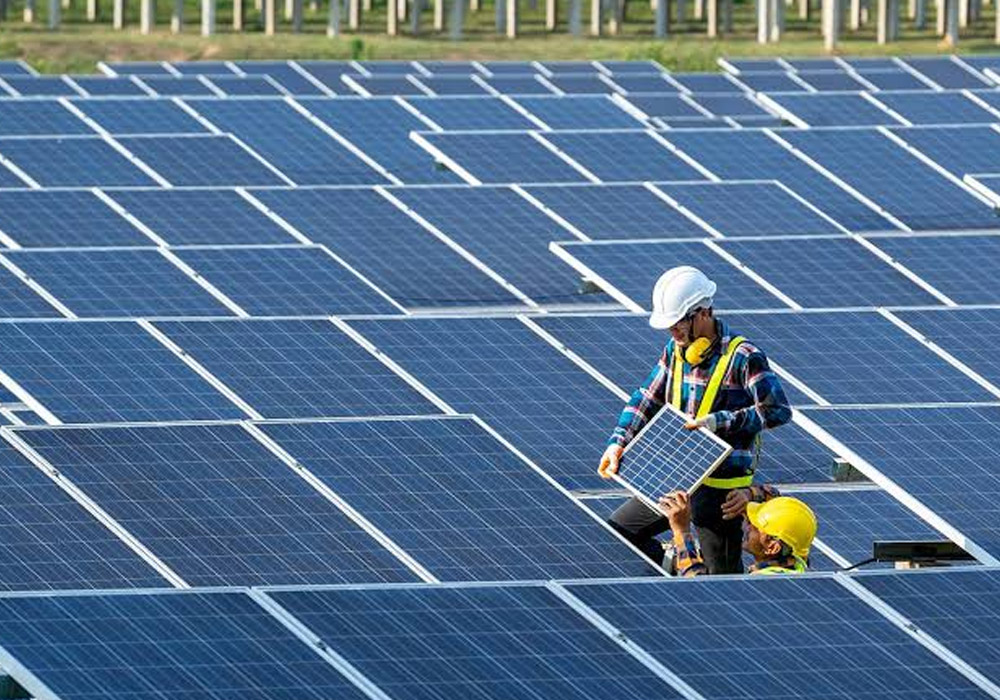
Community-led renewable energy projects embody the idea that transformation is most powerful when it starts with the people it impacts directly. A notable example can be seen in Galesburg, Illinois, where the Blue Grama Solar project pioneered the state’s first Community-Driven Community Solar (CDCS) initiative. By placing decision-making in the hands of residents and local leaders, the initiative empowered the town to shape not only the design and financing of the solar array but also the distribution of its benefits. This approach has proven successful, encouraging participation and fostering a sense of ownership that translates to stronger long-term impact.
From rooftop solar collectives in the Midwest to wind cooperatives in the Great Plains, communities are creating tailored energy solutions that reflect their values, goals, and geography. These local projects are often more adaptable, which helps secure stakeholder buy-in and increases the likelihood of success.
Access to objective guidance and technical planning resources helps local organizers structure sustainable solar initiatives that meet specific community needs. Consulting independent educational material from http://solar-advisors.org/ can clarify system sizing, cost projections, and long-term performance expectations for residential and neighborhood developments. Proper planning ensures project viability while helping stakeholders make informed decisions about clean energy adoption.
Economic Benefits
When neighborhoods and municipalities actively participate in renewable energy development, the local economy is often a primary beneficiary. The SHINE initiative in Boston stands as a case study, targeting historically underserved neighborhoods with the twin promises of employment opportunities and reduced energy bills. This program channels investment into solar infrastructure, green job training, and home energy retrofits, ensuring that both economic and environmental benefits are distributed equitably.
According to a New York Times report, cities that invest in renewables often see spikes in public and private spending, growth in skilled labor markets, and higher property values. By keeping funding and control close to home, communities can maximize the multiplier effects of these dollars and help establish a sustainable cycle of prosperity.
Collaborative Efforts
Community energy projects succeed most when they draw together the diverse strengths of residents, local government officials, utility providers, and developers. This collaboration ensures an inclusive process where concerns are addressed early through open negotiation and regular dialogue. It also allows pooling resources and expertise, shortening the learning curve and helping the group navigate regulatory or financial challenges.
Collaborative models have proven especially effective when paired with transparent governance structures that allow stakeholders to access information and provide input at every stage. In this way, renewable energy is not imposed from above but instead grows organically from collective effort and shared vision.
Case Studies
- Ann Arbor, Michigan:The city has set ambitious targets for carbon neutrality by 2030, including the creation of a community-owned utility. This utility has begun providing free solar panels and backup batteries to residential households, prioritizing low- and moderate-income families to ensure equitable access to clean power.
- Summit County, Utah:Demonstrating how rural and resort communities can pool resources, Summit County joined a broader clean energy program and approved a modest monthly fee on utility bills. This fee funds large-scale renewable projects, driving rapid adoption and showcasing the power of regional collaboration.
Challenges and Solutions
Launching successful community-driven renewable energy projects is not without obstacles. Common challenges include sourcing adequate funding, navigating complex utility regulations, and cultivating broad-based community engagement. These hurdles can stall or fragment projects, but solutions are emerging to address each concern.
- Leveraging incentives:The availability of federal and state-level incentives, combined with grants or low-interest loans, helps cover initial capital outlays and makes projects financially viable.
- Building public-private partnerships:Ensuring robust collaboration with developers and nonprofit partners brings additional expertise and funding to the table.
- Engaging the community:Comprehensive outreach, including listening sessions, public meetings, and accessible information, guarantees widespread support and lasting participation.
Future Outlook
Momentum is building for a nationwide transformation led by local renewable energy initiatives. As more communities see the value in these projects and supportive policies continue to emerge, the scope and impact of local clean energy efforts will grow. Continued technological innovation and increased affordability are making it easier for rural, urban, and suburban areas alike to participate in the shift toward sustainability.
Ultimately, the actions undertaken today create the foundations for more resilient, equitable, and prosperous communities across America. By committing to renewable energy at the local level, these communities inspire others to join the clean power movement and demonstrate the promise of collective action in shaping a better, greener future for everyone.