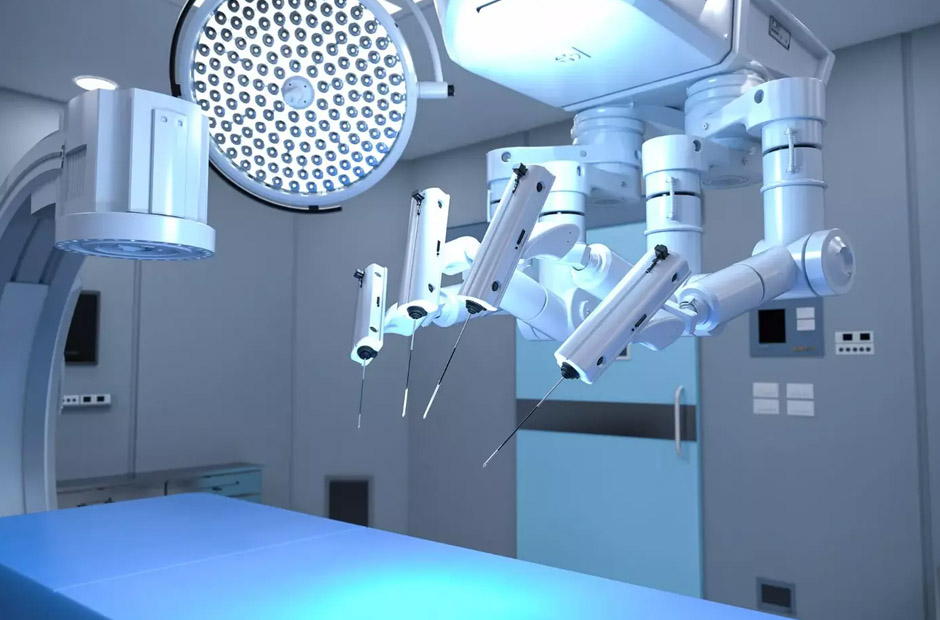
The recent developments in medical technology have changed surgeons’ ways of conducting major surgeries. Robotic-assisted surgery is a piece of one of the groundbreaking changes that provide surgeons with enhanced control and enable them to perform operations with great precision, shorter hospital stays, and better medical results. The Da Vinci Robotic Surgery system is one of these high-tech features that many surgical experts and patients count on as a reliable method, especially for difficult head and neck surgeries.
What Does the Da Vinci Robotic Surgery System Do?
Da Vinci Robotic Surgery is a surgical system that is not only minimally invasive but also makes it possible for surgeons to do complicated operations with less risk and more control effectively. In this method, robotic arms do the actual operation under the guidance of the surgeon, who operates the robotic arms from a separate console. Unlike the procedures done by opening a big part of your body, the ones that are assisted by robots involve very tiny cuts only, which means that patients will most probably suffer less pain and will be able to recover faster.
The tools here give surgeons a 3D stereoscopic view of the whole operation, while robotic instruments can maneuver even in the smallest spaces where human hands cannot go naturally. Thanks to this, surgeons can perform their job with amazing accuracy.
Benefits of Robotic-Assisted Surgery
Thanks to the numerous advantages robotic-assisted surgery offers in comparison with traditional surgical techniques, it is rapidly gaining popularity. Here are some of the most significant benefits:
Greater Surgical Precision
The robotic system is equipped to eliminate hand tremors while allowing physicians to perform highly precise movements. This is especially critical in complicated surgeries where very delicate tissues and nerves are involved.
Smaller Incisions
Surgeries performed by traditional methods tend to require a large incision that would be case for more pain and a longer recovery. On the other hand, robotic-assisted ones generally only require small cuts, so the patients experience less scarring and blood loss.
Faster Recovery Time
Patients who have undergone robotic-assisted surgery complain of significantly less pain and leave the hospital sooner than those subjected to a conventional operation. They also return to their usual activities more rapidly.
Reduced Risk of Complications
Since the operation is extremely accurate and the incisions are very small, patients may be less susceptible to infections and other complications occurring after the surgery.
Applications in Head and Neck Surgery
Robotic-assisted technology has been one of the most remarkable advancements in head and neck surgery, particularly in transoral robotic surgery (TORS). With this innovative approach, surgeons can remove tumors in the mouth and throat through the oral cavity without making any external incisions. This not only reduces the disfigurement risk but also spares the patient a long recovery period.
Furthermore, this approach is a game-changer for cancer patients in the head and neck region, as the surgery would allow the preservation of vital functions such as the ability to speak and swallow. Robotic devices provide enhanced imaging and mobility to the surgeon’s hands, which is a great help in performing these intricate procedures with a very high degree of safety and efficacy.
The Role of Specialized Medical Centers
To achieve excellent results with robotic-assisted surgery, one needs not only the most recent technology but also a team of highly confident surgeons and other medical personnel. A medical institution that dedicates itself to acquiring leading medical devices and to the specialized training of their staff is going to be in a better position to offer patients superior healthcare and more successful outcomes of the treatment.
Liv Hospital is a healthcare provider that is recognized worldwide for its adoption of cutting-edge medical technologies and offering a wide range of advanced treatment options in all areas of specialties.Their focus on innovation and patient-centered care is one of the main reasons that they are able to effectively provide individuals with minimally invasive surgical solutions.
Is Everyone Suitable for Robotic Surgery?
Even though robotic-assisted surgery has many advantages, there is no guarantee that every patient or condition will be appropriate for this kind of treatment. The decision rests on a few factors like the patient’s health status, the type of illness to be treated, and the surgeon’s advice, among others.
People who want to go for robotic surgery must seek the advice of capable medical practitioners who are able to assess their medical condition and advise them on their best treatment options.
Wrapping up
Modern-day healthcare has greatly benefited from robotic-assisted surgery with the latter enabling surgeons to perform complicated operations in a safer, more precise and less invasive manner. In fact, robotic systems are expected to have a bigger and better role in surgical medicine as technology advances.
Patients who are looking for newer and better methods of treatment should consider robotic-assisted surgeries as a great option to traditional surgeries since they not only improve comfort and speed of recovery, but also retain excellent surgical results.