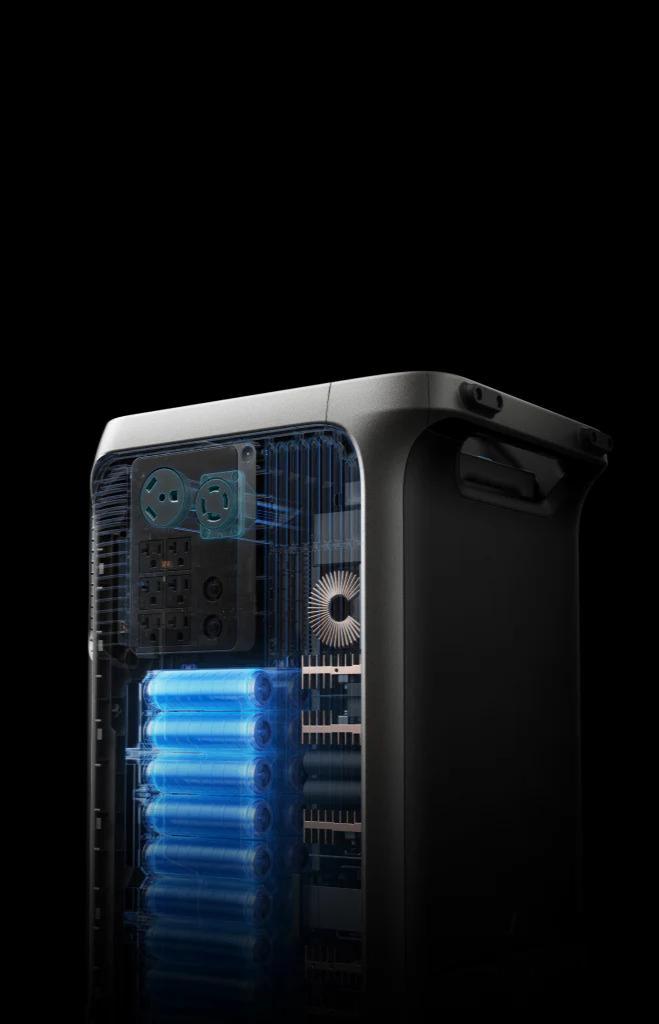
Calculating solar powered generator capacity starts with one simple goal: determine how much electricity you need and for how long. A solar generator must handle both the running wattage of your devices and the total energy they consume over time. If you size it too small, essential appliances may shut off early or fail to start, adds Castle Rock property management. If you size it too large, you may spend more than necessary on battery storage and charging hardware. The most accurate approach is to total the wattage of the devices you plan to power, estimate daily runtime, and then compare that figure with battery capacity and input limits. Once you understand these numbers, selecting a solar generator becomes a practical decision instead of guesswork for reliable backup or off-grid use.
Calculate Your Solar Generator Capacity Step by Step
List Devices and Measure Their Power Consumption
Start by making a complete list of everything you want the solar generator to power. Include lights, phones, laptops, routers, CPAP machines, mini fridges, fans, televisions, and any kitchen or medical devices. Check each item’s label, power adapter, or manual for wattage. If only amps and volts are shown, multiply volts by amps to get watts. Record both running wattage and, for motor-driven appliances, possible startup wattage. A refrigerator that runs at 150 watts may need far more for a brief startup surge. Use a plug-in watt meter when device labels seem unclear or overly broad. This list becomes the foundation for estimating both generator output requirements and total stored energy needs accurately.
Estimate Energy Usage Based on Runtime Needs
After listing device wattage, calculate how much energy each item will use. Multiply watts by hours of operation to get watt-hours. For example, a 60-watt laptop used for 5 hours requires 300Wh, while a 10-watt light running for 8 hours uses 80Wh. Do this for every device, then add the totals to find your daily energy requirement. If you want backup for more than one day, multiply again by the number of days needed. Include a reserve so the system does not run at its limit; adding roughly 15 to 25 percent is a practical margin. This number tells you the battery capacity your solar generator should provide for dependable real-world use.
Key Factors That Affect Solar Generator Size Selection
Consider Peak Wattage and Starting Power Demands
Battery capacity alone does not determine whether a solar powered generator can run your equipment. You must also check the unit’s continuous output and surge capability. Continuous wattage covers what the generator can supply steadily, while surge wattage handles the short startup burst required by devices with compressors or motors. Microwaves, pumps, power tools, and refrigerators often draw much more power at startup than during normal operation. Add the running wattage of devices you may use at the same time, then compare that total with the generator’s rated output. Next, identify the appliance with the highest startup demand and confirm the system can handle that temporary spike without overloading or shutting down unexpectedly.
Account for Battery Capacity and Solar Charging Conditions
A properly sized system also needs enough battery storage and realistic recharging capability. Battery capacity is usually listed in watt-hours, showing how much energy the unit can store. If your devices need 1,200Wh per day, a generator with about that much usable capacity can cover one day before recharging. Charging speed depends on solar panel wattage, sunlight intensity, panel angle, temperature, and weather conditions. Cloud cover and shade can cut input significantly, so base your plan on realistic solar production, not ideal laboratory numbers. If you expect repeated daily use, choose a setup that can both store enough power overnight and recover efficiently during daylight to maintain reliable performance over time.
Choosing a Solar Generator Based on Real Usage Scenarios
Match Capacity With Home Backup and Emergency Needs
For home backup, start with critical loads rather than trying to power every appliance. Most households prioritize refrigeration, lighting, internet equipment, phones, small fans, medical devices, and occasional cooking support. Add up the combined running wattage for the items likely to operate together, then calculate how many watt-hours they need across an outage period. A short emergency kit may only need enough stored energy for several hours, while overnight resilience requires a larger battery bank. If your goal is outage preparedness, choose a solar generator that supports essential circuits first and leaves room for modest expansion.
Beyond solar options, conventional fuel-powered equipment remains a common consideration for extended backup needs. Consulting an established supplier like a Forrest Jordan and Associates generac dealer can clarify how traditional systems handle major household appliances during longer blackouts. Comparing fuel-based models with battery storage helps confirm which system best matches your emergency strategy.
This approach gives you practical backup power without overspending on capacity you may rarely use.
Select Portable Power Options for Outdoor Applications
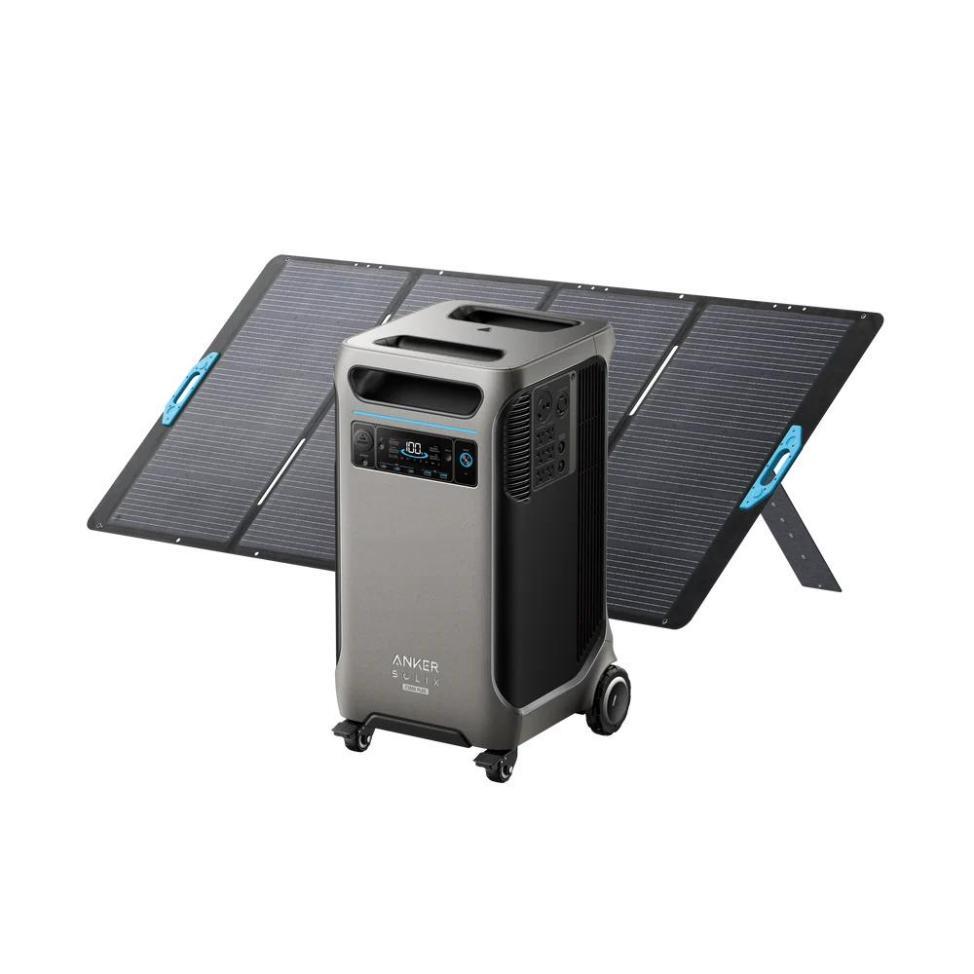
Outdoor use calls for a different balance of capacity, portability, and charging flexibility. Camping, RV weekends, fieldwork, and tailgating usually involve lighter loads such as phones, cameras, laptops, lights, portable fridges, fans, and small cooking accessories. Here, the right solar generator should be easy to transport yet large enough to cover your expected daily watt-hour use. A compact unit may work for charging electronics, while a larger portable system is better for longer trips and higher-draw appliances. Pay close attention to weight, handle design, available AC and USB outputs, and supported solar input for faster daytime charging. The best choice is the one that matches your actual gear list and trip duration.
Conclusion
To calculate solar generator capacity needs, first identify the devices you want to run, note their wattage, and estimate how long each one will operate. From there, convert usage into watt-hours, add a safety margin, and compare the result with the generator’s battery capacity. Then confirm the unit can handle your total running load and any startup surges from appliances with motors or compressors. Finally, evaluate how quickly solar panels can recharge the system under realistic conditions. This process gives you a clear, usable number for both output and storage. When you size a solar generator around actual energy demand instead of guesswork, you get more reliable backup power, better portability planning, and a smarter long-term investment.