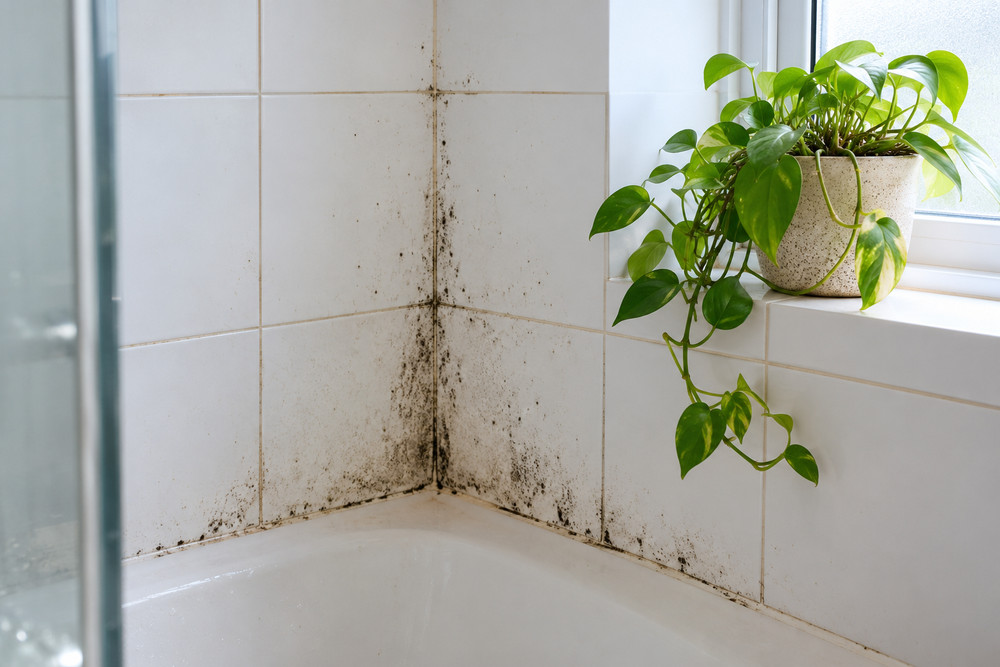
Following extreme weather systems and successive flooding events along the east coast of Australia, indoor moisture loads have reached critical levels. Humid summers and persistent rain have created the perfect breeding ground for fungal growth. According to recent national data, mould now affects roughly 35 percent of Australian rental homes. This highlights indoor dampness as a widespread structural issue rather than an isolated fringe problem that only affects older properties.
The health implications of this widespread dampness are significant. The 2023 Homes, Health and Asthma in Australia report revealed that nearly one-third of individuals with asthma or allergies experience worsened symptoms specifically when inside their own homes. With airborne spores measuring just 2 to 10 microns in size, they can easily bypass the body’s natural respiratory defences and penetrate deep into the lungs. Chronic exposure can lead to fatigue, persistent coughing, and even more severe respiratory complications over time.
Why Bleach Is Not the Answer
For decades, the default response to a sudden bathroom bloom has been to reach for household bleach. However, industry experts and building biologists increasingly discourage the use of sodium hypochlorite for mould removal. When applied to porous surfaces like plasterboard or timber, bleach only removes the pigment of the mould. It leaves the root system, known as hyphae, entirely intact and ready to regrow as soon as conditions allow.
Relying on these toxic treatments also creates a hazardous indoor environment. The Australian College of Environmental Studies champions the need to address root-cause moisture instead of creating a toxic chemical stew in water-damaged homes. The World Health Organization explicitly states that no level of exposure to indoor mould is considered safe for human health, urging early and safe remediation to prevent harmful respiratory illness. Since living in mould-affected housing increases the risk of childhood asthma development by 53 percent, finding a non-toxic and effective solution is more important than ever for Australian families.
The Power of Botanical Alternatives
Nature provides highly effective mechanisms for controlling fungal growth without the harsh fumes. Clove oil is gaining scientific backing as a natural fungicide. Its primary active compound, eugenol, has been shown in laboratory studies to physically disrupt fungal cell membranes and inhibit spore germination. Similarly, native Australian tea tree oil contains terpinen-4-ol, a powerful antimicrobial agent that actively breaks down fungal cell walls.
When dealing with high-humidity areas like bathrooms and laundries, continuous spore control is essential. Even with excellent ventilation, these rooms naturally accumulate steam and moisture on a daily basis. Using a slow-release botanical product, such as a Green-Goo anti-mould gel, helps neutralise airborne spores over time. These natural formulations provide long-lasting protection against indoor dampness without introducing dangerous industrial chemicals into your family’s breathing space.
A Natural Four-Step Remediation Plan
Taking control of indoor air quality requires a proactive and consistent approach. Remediation technicians recommend a simple, botanical process for treating hard surfaces naturally.
- Identify and Fix Moisture Sources: Mould cannot thrive without a steady supply of water. Ensure exhaust fans are running during showers, fix leaking pipes immediately, and open windows to improve cross-ventilation. Check for rising damp in lower-level rooms and address any drainage issues outside the property.
- Perform an Initial Vinegar Clean: Create a solution of 80 percent white vinegar and 20 percent water. Spray this directly onto the affected area to lift visible grime and penetrate the porous surface. Vinegar is highly effective at killing the underlying mould spores, unlike bleach which only masks the problem.
- Apply Botanical Oils: Once the area is completely clean and dry, apply a diluted solution of clove and tea tree oil. The eugenol and terpinen-4-ol will actively break down any remaining fungal cell walls, preventing immediate regrowth and leaving a pleasant, natural scent.
- Establish Continuous Protection: Place natural, slow-release preventative products in enclosed or persistently damp areas like wardrobes, laundries, and bathrooms. This helps intercept new spores before they can settle and germinate, breaking the cycle of constant cleaning.
By moving away from superficial bleaching agents and embracing scientifically backed botanical oils, you can effectively manage dampness. Improving your home’s air quality does not require harsh toxins, just a consistent, nature-led approach to moisture and spore control.