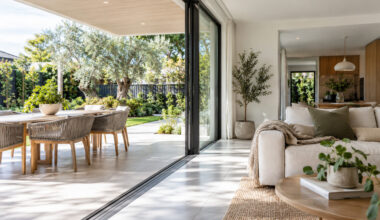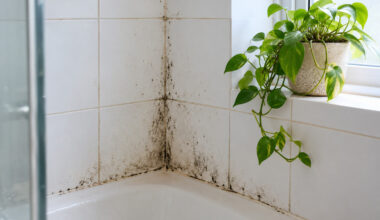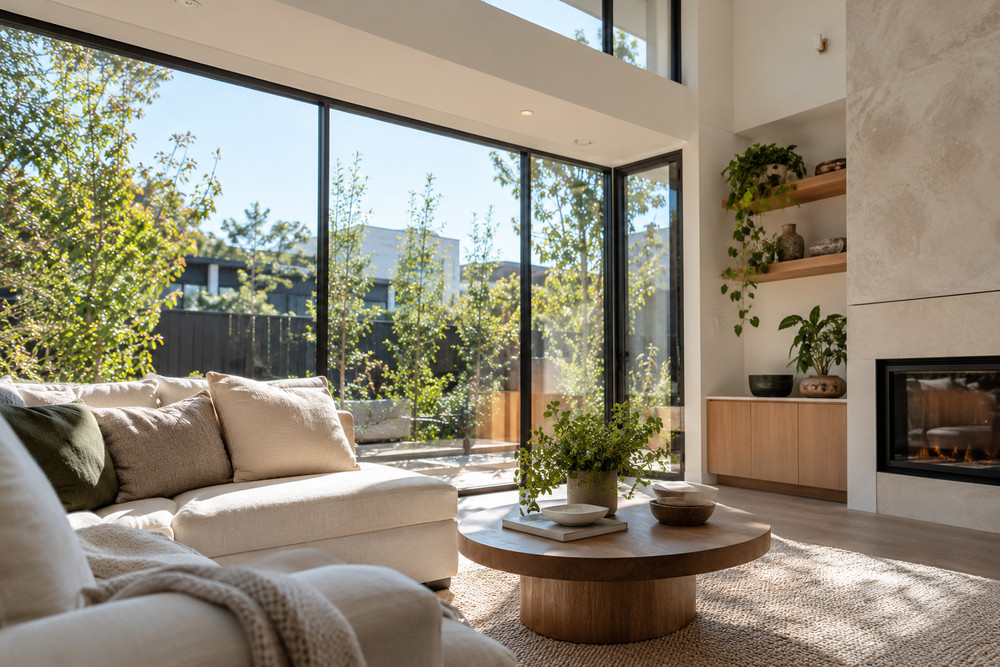
The modern Australian dream home has evolved, but as our cities grow and suburbs become more densely populated, homeowners are facing a persistent architectural dilemma. The desire for bright, sunlit living spaces is constantly clashing with the need for personal privacy. With the average block size for new free-standing homes shrinking to just 432 square metres, and average floor plans remaining large at over 236 square metres, houses are being built closer to boundary lines than ever before. This proximity amplifies the need for creative privacy solutions that do not leave you sitting in the dark behind drawn curtains.
The Impact of Building Regulations on Natural Light
State planning policies have strict rules to prevent new builds from overlooking adjoining properties. In Victoria, the ResCode planning framework enforces a strict 9-metre rule that legally restricts direct sightlines from new windows into a neighbour’s secluded private open space or habitable rooms. Similarly, Western Australia mandates visual barriers of at least 1.6 metres in height to block a 45-degree cone of vision into adjacent residential lots.
To comply with these residential overlooking regulations, upper-level windows often require bulky physical screens or permanently obscure glazing up to 1.7 metres above the finished floor level. However, relying entirely on permanently frosted glass to meet local council privacy codes can create a restrictive milk bottle effect. Occupants are completely deprived of horizontal outdoor views, making the room feel enclosed and restrictive despite the natural light filtering through the pane.
Exploring Modern Privacy Solutions
A recent housing sustainability survey revealed that 80 percent of respondents consider natural light in the home to be highly important to their daily living experience. Furthermore, nearly half of property buyers indicate they are willing to pay a premium for a home that successfully maximises natural daylight. Covering up windows with heavy drapes or permanent blinds is no longer the preferred aesthetic for modern property owners.
Instead, many homeowners are embracing technological innovations to solve this problem. For example, installing products from AI Smart Glass allows residents to instantly toggle their windows from transparent to frosted opaque. This relies on Polymer Dispersed Liquid Crystal (PDLC) technology, which uses a mild electrical voltage to align liquid crystals inside the film. It provides dynamic, on-demand privacy for street-facing windows or contemporary bathrooms without permanently sacrificing your view or blocking the incoming sunlight.
Top Strategies for Balancing Light and Seclusion
If you are planning a renovation or building a new home, there are several effective ways to maintain your privacy while keeping your interior spaces bright and welcoming.
- Switchable privacy films: Applying PDLC smart film to existing glass partitions or street-facing windows offers instant seclusion at the flick of a switch. Unlike heavy curtains or permanent blinds, integrating switchable glass mitigates the buildup of dust and allergens while maintaining a clean, minimalist aesthetic.
- Strategic window placement: Utilising clerestory windows (windows placed high up on a wall close to the ceiling) or structural skylights can flood a room with sunshine without exposing your living space to the neighbours next door.
- Outdoor green screening: Planting tall, narrow hedging or clumping bamboo along boundary fences can filter incoming sunlight beautifully. This provides a natural, leafy visual barrier that is far more appealing from the inside than a blank timber fence.
- Directional louvres: External architectural louvres can be permanently angled to let morning or afternoon sun stream in, all while completely blocking the direct line of sight from the street or an adjacent property.
The Added Benefits of Passive Lighting
Maximising natural daylight is not just about aesthetics and comfort; it is also a highly practical way to improve your home’s overall energy efficiency. Artificial lighting currently accounts for approximately 5 to 10 percent of the average Australian household’s electricity budget. By designing your home to capture more daylight through smart architectural choices, passive natural light becomes a key energy-saving feature.
Additionally, modern glazing treatments like smart film provide substantial home performance benefits beyond just visual privacy. These innovative layers help regulate solar heat gain during the scorching Australian summer months. By controlling the amount of direct thermal energy entering the building, homeowners can reduce their reliance on energy-intensive air conditioning systems. The advanced film composition also blocks harmful ultraviolet rays that can fade expensive interior furnishings, timber floorboards, and treasured artwork over time.
Achieving the perfect balance between absolute privacy and abundant natural light requires a thoughtful, layered approach to home design. By clearly understanding local building codes and enthusiastically embracing modern window treatments, you can easily create a bright, airy sanctuary that remains entirely your own. The right investment in innovative screening and glazing solutions will ensure your property feels open and connected to the outdoors without compromising your family’s personal space.