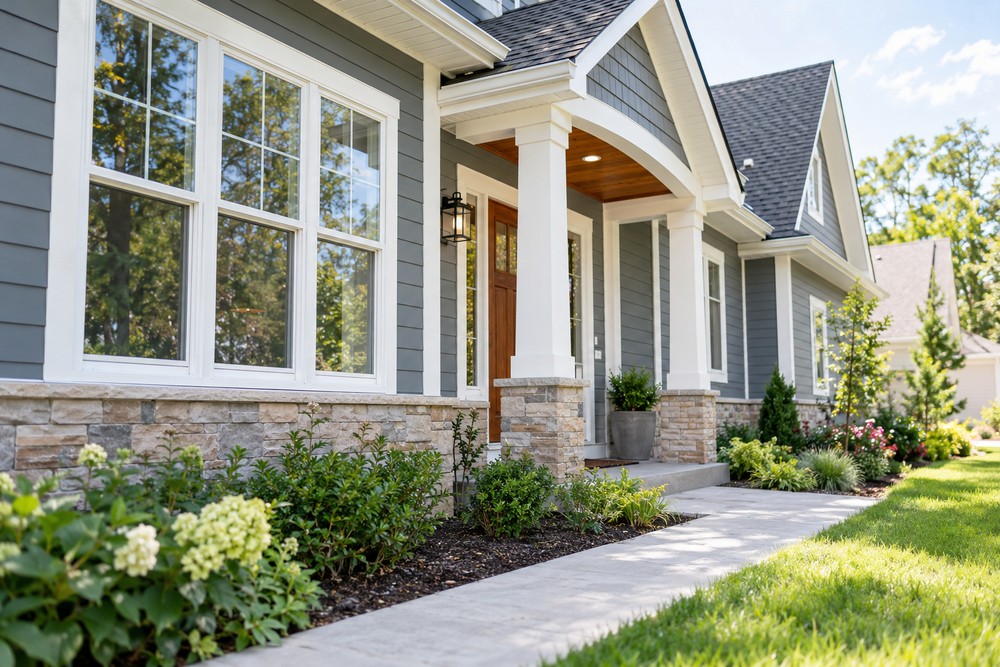
A durable exterior is more than a collection of attractive materials. Roofing, siding, windows, doors, gutters, flashing, and grading must work together to keep water out, reduce drafts, and protect the structure. Homeowners planning a repair or renovation can use Affordable Siding, Windows and Roofing as part of their research process while comparing scopes, materials, and installation details.
The best plan starts with the home’s current condition rather than a color palette. By identifying moisture issues, air leaks, aging finishes, and drainage problems first, homeowners can prioritize work that protects the house now and reduces avoidable maintenance later.
Why Exterior Planning Matters
Exterior projects often overlap. Replacing siding may expose damaged sheathing or outdated window flashing. A roof replacement may be the practical time to repair fascia, improve gutters, or address roof-to-wall transitions. Looking at connected systems before work begins helps prevent duplicated labor, mismatched finishes, and repairs that conceal an active leak instead of solving it.
A cosmetic update can improve curb appeal, but a performance-focused renovation also considers water control, ventilation, air sealing, material clearances, and future access for maintenance. The goal is not to replace every component at once. It is to understand what needs attention now and what can be scheduled later.
Inspect the Home Before Choosing Materials
Walk around the house in daylight, then inspect it again after a heavy rain if it is safe to do so. Take photos and make notes before requesting estimates. Look for:
- Soft, swollen, cracked, or peeling trim around windows and doors.
- Warped, loose, missing, or visibly damaged siding.
- Roof stains, lifted shingles, damaged flashing, or exposed fasteners.
- Windows that stick, show condensation between panes, or allow noticeable drafts.
- Doors that do not latch properly or have worn weatherstripping.
- Overflowing gutters, loose downspouts, or water marks on fascia boards.
- Soil, mulch, or paving that directs water toward the foundation.
- Mildew, mold, or recurring paint failure in shaded areas.
What a Basic Inspection Can Reveal
These signs may indicate water entering behind cladding, air leakage around openings, or drainage problems near the foundation. Rainwater and snowmelt can contribute to unwanted foundation moisture, which is why the EPA recommends checking roof drainage and whether surrounding landscaping directs water away from the building.
Rank Durability, Cost, and Maintenance
The lowest initial price is not always the lowest long-term cost. A material that requires frequent painting, sealing, or repair may be a poor fit for a homeowner seeking a low-maintenance exterior. Use a simple decision framework:
- Set the main goal. Identify whether repair, appearance, comfort, weather protection, or a combination is most important.
- Consider local conditions. Account for wind, rain, humidity, hail, heat, freeze-thaw cycles, pests, or wildfire exposure.
- Review upkeep. Ask how often each option needs cleaning, painting, sealing, or inspection.
- Compare service life. Consider how long the material is expected to perform when properly installed and maintained.
- Keep a contingency fund. Hidden rot, damaged sheathing, old fasteners, permits, and disposal can affect the final cost.
Compare Common Exterior Materials
No single material is right for every house. Vinyl siding is lightweight, available in many profiles, and generally does not require painting, though heat exposure, impact resistance, fading, and installation should be considered. Fiber cement can provide a substantial appearance and resists moisture and insects, but it is heavy and depends on careful fastening, flashing, cutting, and finish maintenance.
Wood offers natural character and can suit traditional homes, but it needs consistent protection from moisture, insects, and sunlight. Brick or stone veneer can create visual depth, although drainage, weight, and repair methods deserve review. Metal can offer a clean, durable finish, but homeowners should evaluate corrosion protection, expansion, dent resistance, and coating performance.
Plan for Weather and Moisture
Water management should guide every exterior decision. A new finish cannot compensate for missing flashing or a gutter that repeatedly overflows. Review roof-to-wall flashing, window and door flashing, kick-out flashing, water-resistive barriers, siding clearances, caulking, gutter placement, downspouts, and the slope around the home.
For example, replacing a stained section of siding may only provide a temporary fix if roof runoff continues to enter behind the wall. The lasting solution may involve repairing the gutter, adding appropriate flashing, replacing damaged materials, and confirming that the drainage path moves water away from the house.
Include Windows and Doors in the Plan
Windows and doors affect comfort, daylight, noise, air leakage, and the appearance of the facade. Compare frame materials, weatherstripping, glazing, and low-emissivity coatings based on the home’s climate and orientation. The Department of Energy notes that frame, glazing, gas-fill, spacer, and operating choices all influence window performance.
Installation is equally important. A high-quality window can still allow drafts or moisture problems if the opening, sill pan, flashing, and surrounding trim are not properly integrated. When replacing siding and windows together, coordinate the work so transitions are completed in the correct sequence.
Build a Practical Project Schedule
- Document leaks, drafts, visible damage, and maintenance concerns with photos.
- Address active leaks, unsafe roofing, and drainage failures first.
- Define which areas need repair, replacement, cleaning, or monitoring.
- Coordinate roofing, windows, siding, trim, doors, and gutters in a logical order.
- View material samples outdoors at different times of day.
- Reserve funds for concealed damage and approved change orders.
- Save product information, paint colors, warranties, and maintenance instructions.
Questions to Ask Before Hiring a Contractor
- Who will inspect existing wall, roof, and drainage conditions?
- How will flashing and water-resistive barriers be handled?
- What happens if rot or structural damage is found?
- Who is responsible for permits, cleanup, and disposal?
- Which tasks will be completed by subcontractors?
- How will landscaping, walkways, and nearby surfaces be protected?
- What maintenance and written warranties apply after completion?
Compare written estimates by scope, preparation, materials, labor, cleanup, exclusions, warranties, and allowance for repairs. A lower total may reflect a smaller scope rather than equivalent work.
Common Questions
Should repairs or appearance come first?
Repairs that stop water intrusion, correct unsafe conditions, or limit further structural damage should come first. Cosmetic improvements are more likely to last when the wall, roof, and drainage systems are sound.
Is it better to replace several exterior features at once?
Coordinating related work can reduce repeated labor and improve transitions between materials. A phased approach is still reasonable when the budget is limited, or some components remain in good condition.
How can homeowners reduce future maintenance?
Choose climate-appropriate materials, keep gutters and downspouts clear, inspect sealants and paint, correct drainage issues promptly, and schedule regular visual checks of roofing, trim, and exterior openings.
Final Thoughts
A durable, low-maintenance exterior begins with a complete plan rather than a single product choice. By inspecting the property, prioritizing water management, comparing upkeep needs, and coordinating connected work, homeowners can make decisions that support protection, comfort, appearance, and long-term value.