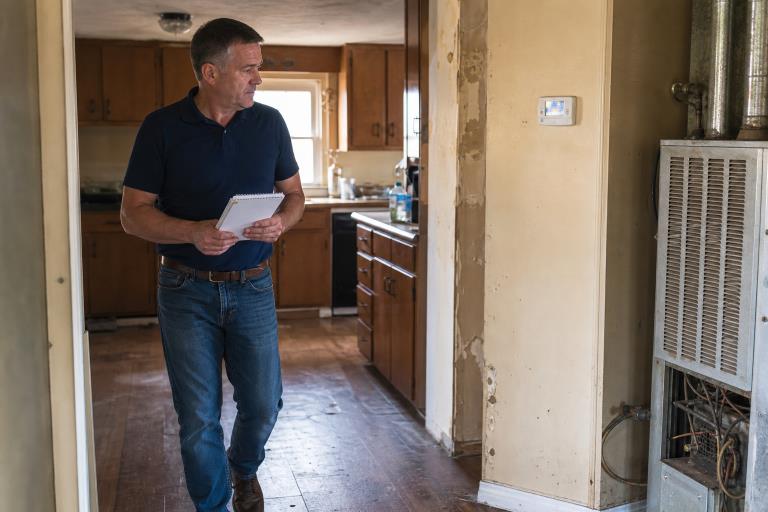
Selling a house as-is in Southaven can make sense when repairs, showings, or a long listing timeline are not practical. Homeowners may explore a traditional listing, a sale by owner, or conversations with home buyers in Southaven, MS, to understand what each path might look like.
The right choice depends on more than the number printed at the top of an offer. A seller should consider repair costs, monthly carrying expenses, the certainty of closing, and how quickly the property needs to change hands.
Why Some Southaven Homeowners Sell As-Is
An as-is sale means the seller intends to transfer the property in its present condition rather than promising to complete repairs before closing. It can be a reasonable route for homes with deferred maintenance, an aging roof or HVAC system, outdated rooms, storm damage, or a large amount of personal property still inside.
Common situations include an inherited house, a job relocation, divorce, a vacant home, limited repair funds, tenant complications, or foreclosure pressure. For example, an owner may learn that a kitchen update and roof replacement could cost tens of thousands of dollars, while they need to move within weeks. Selling in the current condition may provide a more manageable alternative.
For a general overview of direct-sale options and property situations that may qualify, some owners also review https://bludoor.com/. Whatever route you consider, remember that as-is describes a condition. It is not permission to conceal material problems you already know about.
Start With a Realistic Property Review
Before requesting offers or contacting an agent, create a straightforward picture of the home’s condition. Accuracy helps prevent surprises that can lead to a price reduction, delay, or canceled contract later.
- Walk through the house and make a list of visible concerns, room by room.
- Check the apparent condition and age of major items, including the roof, HVAC, plumbing, electrical panel, windows, and foundation.
- Gather available permits, receipts, warranties, prior inspection reports, and insurance claim records.
- Note whether the property is vacant, owner-occupied, tenant-occupied, or full of belongings.
- Separate immediate safety issues, such as exposed wiring or active leaks, from cosmetic concerns.
Repairs That May Be Worth Considering
Not every repair deserves the same budget. Low-cost work that improves cleanliness, safety, or first impressions may be useful even for an as-is sale. Examples include deep cleaning, mowing and trimming the yard, replacing broken light fixtures, repairing a small plumbing leak, and removing obvious trash or debris.
More expensive projects need careful math. New flooring, roof repairs, HVAC replacement, bathroom remodeling, foundation work, and kitchen updates may help marketability, but they also add cost, inconvenience, and time. Request more than one estimate before committing. Then compare the likely increase in sale price with the repair bill, insurance, taxes, utilities, and other holding costs during the extra months of ownership.
Compare Three Common Selling Paths
List the Home With an Agent
A traditional listing may suit owners who have time to prepare the house and want broad exposure to retail buyers. It can bring a stronger contract price, but may also involve staging, showings, inspections, repair negotiations, appraisals, buyer financing, commissions, and uncertain timing.
Sell It Yourself
A for-sale-by-owner approach can reduce certain professional fees, but the seller is responsible for marketing, scheduling, buyer screening, negotiations, paperwork, and communication. This route requires organization and a clear understanding of contracts and disclosure duties.
Consider a Direct Cash Sale
A direct sale can be appealing when speed, privacy, fewer showings, or no renovation work matters most. The buyer may assume repair and resale risk, so the offer may be lower than the potential price of a fully updated home. Still, the lower headline price may be offset by reduced repair spending, fewer contingencies, and a simpler timeline.
Compare Offers by Net Proceeds
The highest offer is not automatically the best offer. Review what you are likely to receive after accounting for costs and risks. Ask these questions for every proposal:
- Repairs:What work must be completed before closing?
- Fees:Are commissions, service fees, credits, or transaction charges deducted?
- Closing costs:Which party is responsible for title, recording, attorney, or other charges?
- Holding costs:How much will insurance, utilities, taxes, maintenance, and mortgage payments add each month?
- Financing risk:Is the deal dependent on a loan approval, appraisal, inspection, or the buyer selling another home?
- Timeline:Is the stated closing date firm, and what happens if it changes?
Know the Disclosure and Paperwork Basics
Provide complete, accurate information about known defects or past problems, such as roof leaks, water damage, foundation movement, termite activity, flooding, unpermitted work, boundary concerns, liens, or insurance claims. The Mississippi Real Estate Commission provides property disclosure resources and up-to-date forms for sellers to review. Unusual facts, disputed ownership, or possible liability are good reasons to seek advice from a qualified local attorney.
Review the Offer Before Signing
- Confirm the buyer’s legal name, company information, and reliable contact details.
- Check the price, credits, deductions, and any requested seller concessions.
- Read inspection periods, cancellation rights, financing conditions, and appraisal contingencies.
- Confirm the closing date, possession date, and who selects the title company or closing attorney.
- Look for assignment language that may allow the buyer to transfer the contract.
- Do not pay an unexplained upfront fee to receive or accept an offer.
Prepare for Closing and Watch for Warning Signs
Gather identification, the deed, mortgage details, tax information, keys, alarm codes, and utility records. Work to resolve liens, probate questions, unpaid balances, and title disputes early. Before signing, request a settlement statement and verify the delivery method for proceeds. The Consumer Financial Protection Bureau’s home-closing guidance is a useful general resource for reviewing documents and the closing steps.
Be cautious if a buyer pressures you to sign immediately, refuses to provide a written offer, repeatedly changes the price, refuses to explain the process, promises an unrealistic amount, or requests sensitive information via an unverified channel.
When Professional Advice Makes Sense
Extra guidance can be valuable when a sale involves probate, multiple heirs, divorce, a trust, tax liens, judgments, bankruptcy, foreclosure, tenants, lease disputes, or unclear title history. A local real estate attorney, title professional, or tax adviser can explain how those issues may affect your specific transaction.
Conclusion
Selling a house as-is in Southaven in 2026 can be practical, but it remains a major financial decision. Review the condition honestly, compare net proceeds instead of headline offers, understand the contract, and confirm every closing detail. The best-selling method is the one that fits your budget, timeline, risk tolerance, and need for certainty.