What is parquet flooring
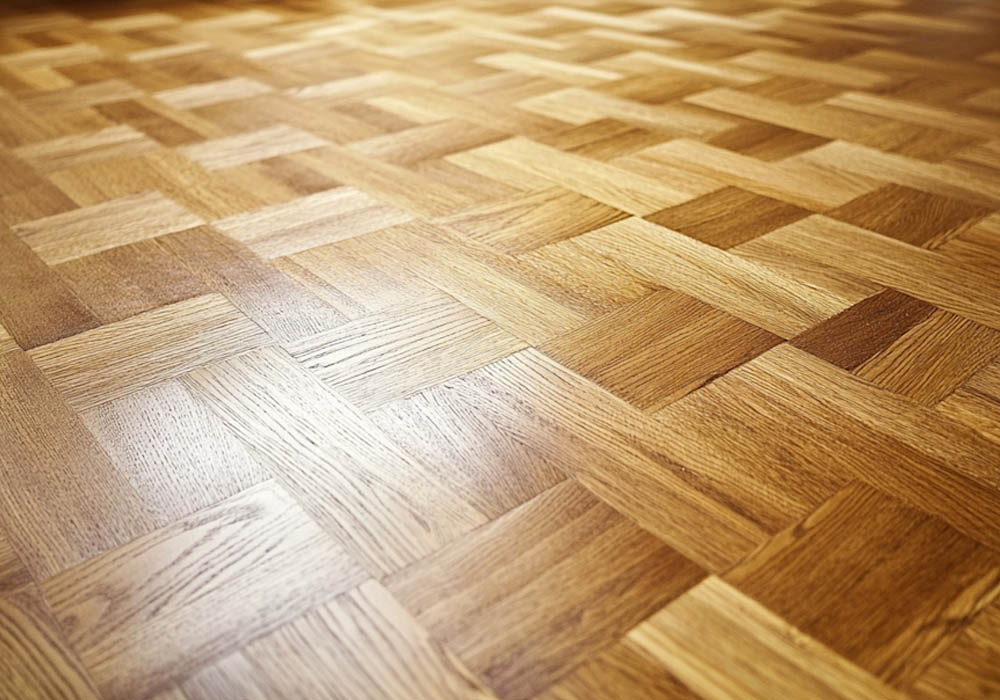
Parquet flooring is a style of wood flooring made from small pieces of timber arranged into geometric patterns rather than laid as long, straight planks, explain TE Johnson & Sons property managers. The word itself comes from the French term for a small enclosed space, a nod to the intricate, tightly fitted pieces that make up each design. Unlike standard strip flooring, it relies on the arrangement of individual wood blocks or fingers to create visual interest across the floor.
This style has a long history in grand European interiors, where it was originally used to bring warmth and craftsmanship to formal rooms. Today, parquet wood flooring has moved well beyond period homes. It appears in contemporary apartments, boutique hotels, offices, and family homes, proving that a well-designed pattern never really goes out of style.
Why homeowners and designers choose parquet flooring
Parquet flooring offers something that plain plank flooring cannot: pattern. A herringbone or chevron floor adds rhythm and depth to a room, drawing the eye across the space and making even a modest room feel more considered. For homeowners looking to make a genuine design statement, it is one of the most effective ways to do it without adding color, wallpaper, or extra furniture.
There are practical reasons to choose parquet flooring too. Wood flooring in general is durable, easy to clean, and improves with age when it is well maintained. Parquet floor patterns are typically installed using shorter, individual pieces, which means damaged sections can sometimes be replaced without disturbing the whole floor. That makes it a practical long-term investment as well as a beautiful one.
Parquet flooring also tends to suit a wide range of interior styles. A classic herringbone pattern works in a traditional home with detailed millwork just as well as it does in a minimalist, modern space. The pattern itself does the styling work, so the rest of the room can be kept simple.
Popular parquet floor patterns
There is no single look associated with parquet flooring. The pattern chosen has a significant effect on how a room feels, and different patterns suit different spaces.
Herringbone flooring is probably the most recognized parquet floor pattern. It uses rectangular blocks laid at right angles to one another in a broken zigzag, creating a sense of movement without feeling busy. It works particularly well in hallways, living rooms, and open-plan spaces where you want the eye drawn along the length of the room.
Chevron flooring is closely related to herringbone but has a cleaner, more linear look. The wood pieces are cut at an angle so they meet in a perfectly straight line, forming a continuous V shape rather than a broken one. Chevron parquet flooring tends to feel more formal and streamlined, and it suits contemporary interiors especially well.
Versailles and other panel patterns take things a step further, combining multiple wood pieces into larger repeating squares or geometric panels. These patterns were traditionally used in grander rooms and still carry that sense of occasion, making them a strong choice for dining rooms, entryways, or statement living spaces.
Basket weave is another option, using small squares of wood arranged to look like an interlocking weave. It has a slightly more textured, tactile appearance than herringbone or chevron and works well in smaller or more traditional rooms.
Solid versus engineered parquet flooring
One of the first decisions to make when choosing parquet flooring is whether to go with solid or engineered wood. Solid parquet flooring is made entirely from one piece of timber, milled into the shape needed for the chosen pattern. It offers a genuine, substantial feel underfoot and can typically be sanded and refinished multiple times over its lifespan.
Engineered parquet flooring, by contrast, is constructed from several layers of wood, with a solid hardwood top layer bonded to a stable plywood or engineered core beneath it. This construction makes it more resistant to changes in humidity and temperature, which is a real advantage in kitchens, over underfloor heating, or in parts of the country with more variable climates. It also tends to be more straightforward to install, since it has less tendency to expand and contract than solid wood.
Both options offer the same visual patterns and the same natural wood character. The choice generally comes down to the specific room, the subfloor, and how much long-term flexibility you want when it comes to refinishing.
Choosing the right wood species
Parquet flooring can be made from a wide range of wood species, and the species chosen has a big impact on the final look. Oak is the most widely used option for parquet wood flooring thanks to its strength, attractive grain, and ability to take stain well. It suits almost any color scheme, from pale, Scandinavian-inspired interiors to deep, rich, traditional spaces.
Walnut brings a warmer, darker tone and a more luxurious feel, often chosen for formal rooms or spaces where a bolder statement is wanted. Ash offers a lighter, more contemporary look with a straighter grain pattern, while species like Douglas fir bring a softer, more rustic character.
When selecting a wood species, it helps to think about the amount of natural light in the room, the other materials being used nearby, and how much contrast or continuity is wanted between the floor and the walls or furniture.
Where parquet flooring works best
Parquet flooring is versatile enough to work in most rooms of the home, though certain patterns and finishes suit certain spaces better than others.
In living rooms, a herringbone or chevron pattern in a mid-tone oak brings warmth without overwhelming the space, especially when paired with simple furnishings. In entryways and hallways, a bolder pattern like Versailles panels can create a strong first impression. Bedrooms tend to suit softer, lighter tones with a simpler pattern, since the goal is usually a calmer, more restful atmosphere.
Kitchens and bathrooms call for extra consideration. Engineered parquet flooring with a sealed finish can handle the moisture and temperature shifts of these rooms far better than solid wood, making it the more practical choice without sacrificing the pattern or the natural wood look.
How to choose the right parquet flooring for your space
Selecting the right flooring involves a few key decisions, and working through them in order makes the process much simpler.
- Decide on the room and how it will be used, since this determines whether solid or engineered parquet flooring is the better fit.
- Choose a pattern that matches the scale and style of the space, keeping in mind that bolder patterns suit larger or more formal rooms.
- Select a wood species and tone that complements the existing color palette and lighting in the room.
- Consider the finish, since matte and natural oil finishes tend to show less wear over time than high-gloss options.
- Factor in maintenance requirements, particularly if the floor will be installed in a high-traffic or moisture-prone area.
Caring for parquet flooring
Parquet flooring is relatively low maintenance once installed, but a few habits go a long way toward keeping it looking its best. Regular sweeping or vacuuming with a soft brush head prevents grit from scratching the surface, while a slightly damp mop is generally safe for most sealed finishes. Standing water should always be avoided, since excess moisture can affect the wood over time.
Felt pads under furniture legs help prevent dents and scratches, and keeping direct sunlight in check with blinds or curtains can prevent uneven fading across the pattern. With the right care, it can last for decades, and solid options can be refinished to look brand new whenever the surface starts to show its age.
Bringing parquet flooring into your home
Parquet flooring remains one of the most effective ways to add character, pattern, and craftsmanship to a home. Whether it is a classic herringbone in a hallway, a sharp chevron in a modern living room, or a detailed Versailles panel in an entryway, the right parquet floor patterns can transform how a space feels underfoot and at a glance.
Taking time to consider the room, the wood species, and whether solid or engineered construction suits your needs will help ensure the finished floor is both beautiful and built to last.