Over one-third of Australian households recently engaged in home improvement projects, pushing the national renovation market value well above 48 billion dollars. With the average budget for a comprehensive home makeover climbing significantly, many property owners are choosing to upgrade their existing homes rather than navigate a highly competitive and unpredictable real estate market.
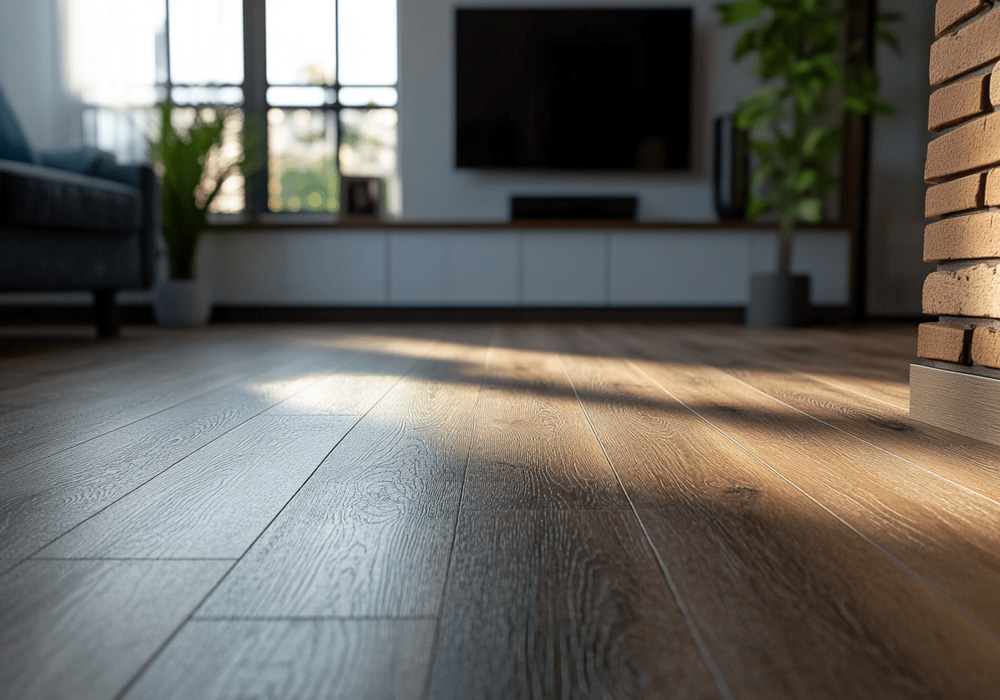
When tackling these large-scale renovations, the ground floor is often the first major hurdle. Because it serves as the foundation of your daily living space, ground floor materials must endure heavy foot traffic, moving furniture, and indoor pets. If you are exploring high-quality options like hardwood flooring in Brisbane, choosing the right installation requires a careful balance between long-lasting durability, structural integrity, and timeless visual character.
The True Cost of Cutting Corners
It can be tempting to choose cheaper, synthetic flooring options to keep renovation budgets under control, notes keyrenternaples.com. However, ground floors in busy family homes take a significant beating day in and day out. Lower-quality materials often show premature signs of wear, such as scuffing, fading, or water damage, leading to costly repairs or complete replacements just a few short years down the track. In the long run, investing in premium materials upfront is far more economical.
A successful flooring upgrade requires looking beyond the surface aesthetic to understand the structural demands of your property. For example, proper subfloor preparation, vapour barriers, and the acclimatisation of materials to a home’s specific moisture levels are critical steps to prevent bowing or cupping in older properties. Exploring detailed home improvement guides can help you identify these hidden structural requirements and avoid common renovation mistakes that end up costing money later.
In humid, sub-tropical climates across South East Queensland, the Australian Timber Flooring Association establishes strict technical guidelines for installation. Professionals in these regions typically enforce a minimum 10mm expansion gap around the perimeter of a floor to safely accommodate the natural swelling that occurs during humid summer months. They also recommend robust fixing methods like continuous bead adhesives rather than standard top-nailing to counteract expansion forces.
Why High-Density Native Timber Stands Out
Biophilic design is currently one of the top interior design trends for Australian properties. This design philosophy emphasises the use of natural materials, like native wood grain, to connect indoor living spaces with nature and improve overall wellbeing. High-density Australian hardwoods are heavily favoured for achieving this look because their dense, interlocked grain structures naturally resist the scratches and dents associated with active households.
When selecting native timber, homeowners have access to several world-class options that offer distinct advantages:
- Ironbark: Known as one of the hardest commercial timbers in the world, it features an extreme Janka hardness rating of 14.0 kN and an impressive above-ground lifespan exceeding 40 years.
- Spotted Gum: This species offers exceptional durability with a Janka rating of 11.0 kN, alongside natural termite resistance and a BAL-29 fire rating that meets strict standards for bushfire-prone areas.
- Blackbutt: A highly sought-after species for achieving lighter, coastal aesthetics, providing a robust Janka rating of 9.1 kN and Class 1 above-ground durability.
Because local climate conditions significantly impact material performance, selecting the right species is only part of the equation. Working with established local experts ensures you receive sustainably sourced, climate-appropriate timber that is properly graded for regional humidity.
Sustainability as a Modern Renovation Priority
Eco-friendly material selection is now a major priority for modern renovators across the country. Recent data shows the average Australian household is increasingly willing to invest heavily in sustainable property upgrades. The broader Australian flooring market has experienced a major surge in demand, largely driven by this renewed focus on durable, environmentally responsible interior renovations that reduce ecological footprints.
Native timber is a remarkably eco-friendly choice when sourced correctly. While synthetic floors require massive amounts of energy to produce, natural wood acts as a long-term carbon sink. According to government data, sustainable wood harvesting of just a fraction of a percent of Australia’s native forest area annually creates high-quality products for residential construction. This practice serves as a direct substitute for carbon-intensive materials like steel and concrete, safely storing carbon for decades without depleting natural resources.
Setting the Foundation for Your Home
Ultimately, your ground floor sets the aesthetic and functional tone for your entire house. Taking the time to research durable materials, understand local climate demands, and invest in professional installation will ensure your renovation stands the test of time. A well-chosen floor does more than just look good. It adds genuine, lasting financial value to your property, enhances your daily comfort, and provides a beautiful, resilient backdrop for everyday family life.