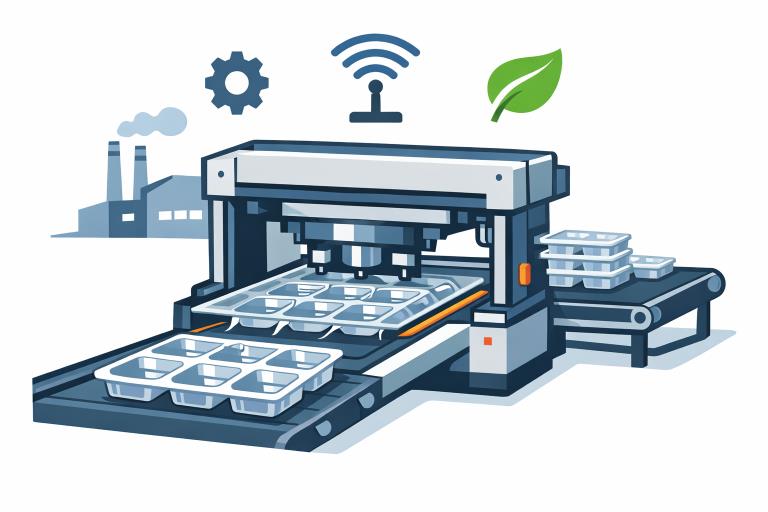
Thermoforming stands out as a pivotal process for shaping plastic materials into versatile products across industries. Recent technological advancements have significantly reshaped this manufacturing method, driving greater efficiency, enhanced sustainability, and broader applicability across sectors such as packaging, aerospace, and beyond. For an in-depth perspective on custom thermoforming processes, you can visit this website for further insights into tailored solutions.
Innovation in thermoforming is not just about improving production lines; it also involves responding to the increasing global demand for sustainable practices and advanced product features. As manufacturers integrate smarter machines and sustainable materials, the opportunities for improved product designs are rapidly expanding. These innovations address environmental concerns and labor shortages while supporting reliable, high-quality mass production.
Thermoforming technology continues to revolutionize key industries by offering cost-effective and future-ready alternatives. The evolution of machinery, integration of artificial intelligence, and the emergence of new materials are transforming the scope of what thermoforming can achieve. Companies seeking advanced packaging or lightweight aerospace components are turning to thermoforming for solutions that balance performance and responsibility.
With the thermoforming sector at the forefront of industrial modernization, manufacturers and engineers must stay informed about its latest trends and technological breakthroughs. The following guide explores the most significant advances and future trajectories shaping the global thermoforming landscape.
Advancements in Thermoforming Machinery
Modern thermoforming equipment harnesses smart technologies for unprecedented precision and energy savings. Cannon’s e-Forming series is a leading example, featuring AI-based configuration tools and space-efficient designs. These cutting-edge machines occupy up to 15 percent less floor space than legacy models and help manufacturers reduce operational costs by streamlining workflows and minimizing waste. The push for leaner and smarter machinery is a direct response to both market needs and environmental pressures. For a detailed look at these innovations, see Plasticstoday’s coverage of new machine debuts at relevant industry events.
Sustainable Materials in Thermoforming
Sustainability concerns are guiding product development and raw material selection in the thermoforming sector. A prime example is Borealis’ HC609TF, a high-stiffness polypropylene homopolymer engineered for clarity, process stability, and recyclability. Materials like these enable complex containers that meet modern packaging needs while reducing environmental impact. As governments and businesses commit to closing the plastics loop, ongoing investments in recyclable, bio-based, and compostable polymers are becoming industry benchmarks. Leading resources, such as Borealis Group News, highlight milestones in sustainable materials science.
Thermoforming in Aerospace Applications
The stringent performance demands of aerospace engineering are driving the adoption of advanced thermoforming technologies. Wickert Maschinenbau’s latest thermoforming press for aircraft structures demonstrates how composite materials formed with specialized equipment can increase productivity up to 80 percent. This technology not only enables faster cycle times but also ensures the repeatability and lightweight construction essential to aerospace success. These presses are helping companies reduce both weight and cost in aircraft interiors and structural components. Aviation outlets, including FlightGlobal, regularly report on how advanced manufacturing is changing the face of aerospace design and production.
AI Integration in Thermoforming Processes
The transition to smart manufacturing is gaining momentum across all stages of the thermoforming process. Artificial intelligence systems integrated into forming lines can monitor, analyze, and adjust operating parameters in real time, optimizing material usage and energy consumption. This shift supports consistently high-quality output and addresses labor shortages by automating much of the process control. For industry professionals, these improvements mean reduced waste, higher repeatability, and quicker troubleshooting. Developing AI-driven solutions is also enhancing plants’ responsiveness to changing market needs and unpredictable supply chain disruptions, as explored in recent industry coverage.
Thermoforming in Packaging Innovations
Thermoformed packaging is setting new standards in both appearance and performance. With the capacity to mold intricate shapes and deliver clear, robust, lightweight containers, manufacturers can meet the branding and safety demands of food, beverage, medical, and consumer goods markets. The flexibility of thermoforming enables the quick, high-accuracy production of custom trays, blisters, and protective covers, supporting both niche and mass-market brands. Packaging industry observers, such as Packaging Digest, are tracking the continual evolution of packaging forms and materials.
Future Trends in Thermoforming
The journey ahead for thermoforming includes introducing fully biodegradable materials, implementing more seamless digital controls, and enabling real-time production monitoring via the Internet of Things (IoT). Ongoing R&D is expected to yield smarter molds, rapid prototyping methods, and systems that automatically gather production insights. As industries seek lighter, stronger, and more environmentally sound solutions, thermoforming will stay relevant by championing new polymers, green manufacturing processes, and end-to-end digital integration. Insights from major publications such as Forbes capture how macro trends in automation and material innovation are shaping the future of advanced manufacturing.
Thermoforming’s evolution continues to mirror the broader shifts in global manufacturing. Efficient, sustainable, and tech-oriented solutions are redefining how products are brought to life. As new materials and machines emerge and digital transformation touches every phase of production, thermoforming is poised to play a crucial role in the next generation of industrial solutions.