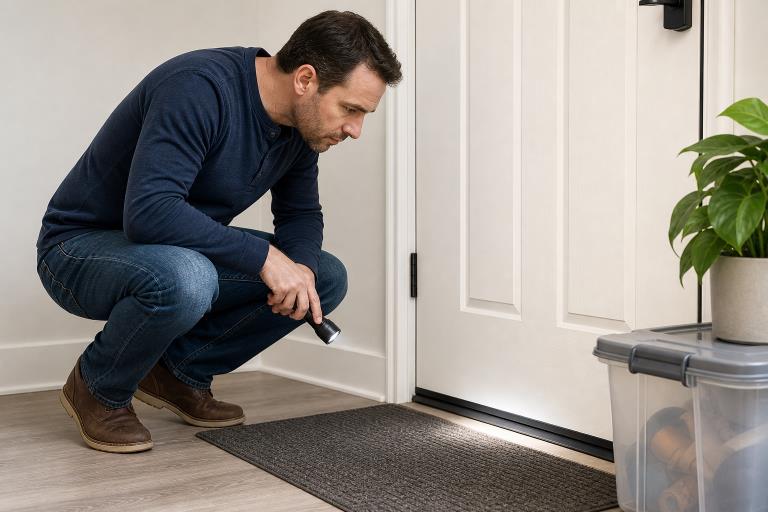
In West Chester, Ohio, pest prevention is not a one-weekend project. Changing temperatures, rain, leaf drop, and the shift from open yards to warm indoor spaces can all change where pests look for food, water, and shelter. A seasonal routine helps homeowners catch small concerns before they become disruptions in kitchens, basements, garages, or attics.
Start with practical maintenance, then respond to clear signs of activity. If repeated sightings, damage, or hidden nesting areas make the problem difficult to assess, requesting a free pest control estimate can help clarify the next sensible step for a West Chester property.
Why Seasonal Prevention Works
Pests respond to the basics: accessible food, moisture, cover, and routes indoors. A wet spring can make gutters, mulch beds, and foundation edges worth a closer look, while cooler fall weather can make gaps around utility lines and door frames more important. The most effective approach is usually to identify what is attracting or admitting the pest before reaching for a product. The integrated pest management principles used in homes emphasize prevention, monitoring, and targeted action.
One insect near an open door is not necessarily an infestation. Repeated activity in the same spot, droppings, gnawing, nesting material, shed skins, or damage to food packages deserves more attention.
Winter Home Pest Checklist for West Chester Properties
Winter is a good time to inspect the quieter, less-used parts of a West Chester home. Check attics, basements, crawl spaces, garages, utility rooms, and the space behind stored belongings. Replace worn weather stripping on exterior and garage doors, and seal openings around pipes, vents, windows, rooflines, and foundation joints. West Chester’s cold winters drive rodents and insects seeking warmth indoors, making winter inspection particularly critical for area homeowners.
- Keep firewood raised and stored away from the house.
- Look for droppings, gnaw marks, nesting material, or scratching noises.
- Store pantry goods and pet food in containers with tight-fitting lids.
- Address leaks or condensation around water heaters, laundry areas, and plumbing.
For rodent evidence, avoid dry sweeping or vacuuming droppings. The CDC explains how to clean up rodent waste safely by ventilating the area, using disinfectant, and wearing gloves.
Spring Home Pest Checklist for West Chester
Spring cleanup removes many of the damp, protected places pests use outdoors. West Chester’s spring rains create ideal conditions for moisture-loving pests around foundations and landscaping. Clear leaves, fallen branches, and organic debris from foundation edges. Clean gutters and make sure downspouts direct water away from the home. Repair torn window screens, damaged door sweeps, and loose trim before insects become more active.
- Check patios, decks, sheds, and garden borders for nests or concentrated insect activity.
- Watch for ant trails near sinks, windows, doors, and pet feeding areas.
- Empty water from planters, toys, tarps, and other outdoor containers.
Summer Home Pest Checklist
Summer cookouts, open doors, pet bowls, and full trash bins can create easy opportunities for flies, ants, rodents, and stinging insects. Keep trash containers closed and rinse them as needed. Store pet food securely, and avoid leaving food or water bowls outdoors overnight. West Chester’s warm, humid summers accelerate pest activity, so vigilance during this season pays dividends.
- Trim grass, shrubs, and climbing plants so they do not rest against exterior walls.
- Inspect eaves, rooflines, play areas, and outdoor structures for wasp or hornet nests.
- Use fitted screens, sealed food storage, and fans around outdoor dining spaces.
- Check shaded areas and containers for standing water after rainfall.
Fall Home Pest Checklist for West Chester Homes
Fall preparation is especially valuable before colder conditions encourage pests to seek indoor shelter. In West Chester, fall pest activity peaks as temperatures drop and insects and rodents migrate toward warm spaces. Walk the exterior slowly and inspect siding, window frames, foundation cracks, door thresholds, vents, and utility penetrations. Clear leaves from gutters, window wells, and areas along the foundation.
- Replace cracked caulk, worn weather stripping, and damaged door sweeps.
- Move cardboard, stacked materials, and firewood away from exterior walls.
- Check holiday decorations, storage boxes, and clothing before bringing them inside.
- Inspect attic and basement corners for early signs of rodent activity.
High-Risk Areas to Inspect
A useful home inspection can take less than an hour when it follows a consistent route. In the kitchen, look beneath sinks, behind appliances, and in pantry corners. In bathrooms, check plumbing openings, cabinets, drains, and damp flooring. In basements, inspect floor drains, cracks, stored boxes, and any moisture source.
In the attic, look for disturbed insulation, droppings, nests, or chewed materials. In the garage, focus on the bottom door seal, cardboard, clutter, and gaps near walls. Outside, check mulch, tree branches, standing water, sheds, and stacked materials near the home.
Safe Pest Control Choices
Correct identification matters because a method that works for one pest may not address another. Begin with physical controls when practical: caulk, screens, door sweeps, sealed containers, sanitation, and appropriately placed traps. If using a pesticide, read and follow the entire label, keep children and pets away from treatment areas, and never use an outdoor product indoors unless its label specifically allows it.
Do not mix products or apply more than directed. Focused treatment also helps avoid unnecessary exposure and protects beneficial insects outdoors.
When to Call a Licensed Professional
A seasonal checklist has limits. Consider professional help when activity continues after cleaning and exclusion work, pests appear in several rooms, rodents are active in inaccessible spaces, or stinging insects nest near doors and play areas. Signs of termites or other wood-damaging pests, recurring bites, extensive droppings, or a household member with a serious allergy also call for prompt, informed guidance.
Common Questions
How Often Should a Homeowner Inspect for Pests?
Do a quick monthly check of kitchens, bathrooms, storage areas, and exterior doors. Plan a more complete inspection at the beginning of each season.
Can Sealing Gaps Keep Pests Out?
Sealing gaps can reduce access, but it works best alongside moisture control, food storage, yard cleanup, and regular monitoring.
Are One-Time Treatments Enough?
A one-time treatment may address an isolated issue. Repeated seasonal activity usually requires attention to the conditions that let pests return.
What Are the First Signs of a Pest Problem?
Watch for droppings, urine marks, gnawing, damaged packaging, unusual odors, insect paths, nests, shed wings, or repeated sightings in one location.
Final Thoughts
For West Chester homeowners, prevention is most manageable when it becomes part of normal seasonal home care. Sealing openings, reducing moisture, storing food properly, and checking vulnerable spaces can make a meaningful difference. When evidence points to a larger or hidden problem, timely professional guidance can help identify the source and choose a focused solution.