If you’re planning a bathroom upgrade, your shower deserves more attention than it usually gets. It’s one of the most used spots in your home, and a weak plan can leave you with leaks, awkward storage, or a space that looks great for about five minutes. If you live in a humid climate or an older home, small design choices matter even more. A smart remodel starts before demolition, not after the first cracked tile.
Start With How You Actually Use the Shower
A lot of remodels go sideways because people design for a photo, not for daily life. You need to think about who uses the shower, how long they’re in there, and what annoys them now. If two people share one bathroom, storage, height, and water pressure become real issues fast.
Make a quick list before you choose anything:
– Do you need a low threshold for easier entry?
– Do you want built-in shelves instead of wire racks?
– Does someone in your home need a bench or grab bars?
– Are you tired of scrubbing grout every weekend?
That list gives your project direction. Without it, you’re just shopping with optimism, which is fun right up until the invoice arrives.
Choose Materials That Match Real-Life Wear
Not every material belongs in every home. If your bathroom gets heavy use, delicate finishes may not hold up well. If you have kids, older adults, or renters using the space, durability and safety should move to the top of the list.
Here are a few smart material considerations:
– Textured shower flooring helps reduce slipping
– Non-porous wall surfaces are easier to clean
– Solid shelving holds up better than suction accessories
– Quality caulking and waterproofing matter more than decorative extras
This is also where working with an experienced bathroom remodeling company can help, especially if you’re comparing shower systems, low-maintenance wall options, and accessibility upgrades. The best material choice isn’t always the fanciest one. It’s the one that still performs well after steam, soap, dropped bottles, and rushed weekday mornings.
Don’t Let Style Outsmart Function
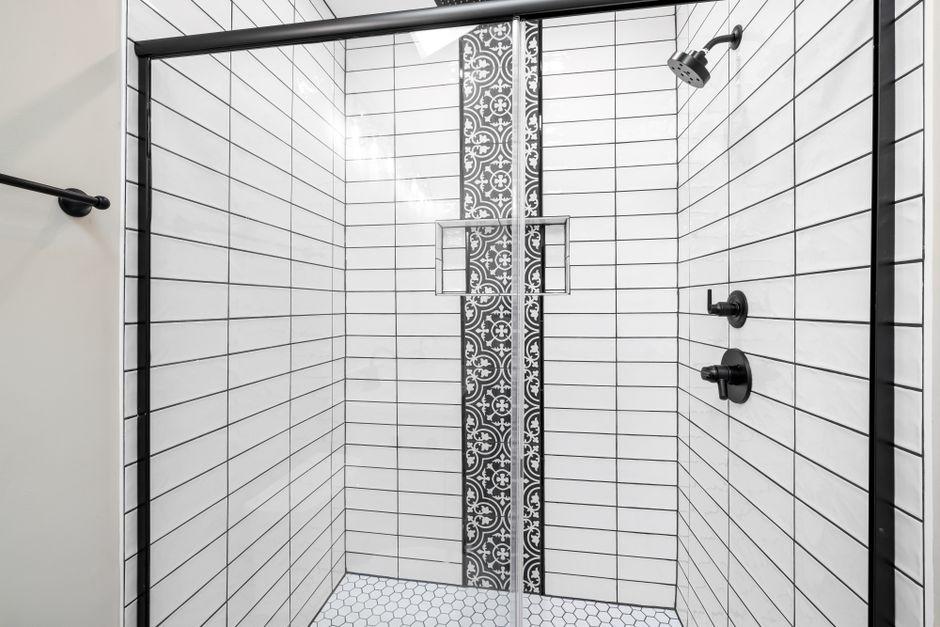
A sleek shower can still be a pain to live with. Frameless glass looks clean, but it also shows every water spot. Tiny mosaic floors add grip, but they create lots of grout lines. Matte black fixtures look sharp, then hard water turns them into a chemistry lesson.
You’re better off balancing looks with maintenance and durability. Large wall panels, for example, can cut down on grout and make cleaning easier. Slip-resistant flooring matters more than a trendy pattern. A niche placed at the wrong height becomes a daily irritation, which is not the kind of design statement you want.
Good design isn’t just visual. It should make your morning routine smoother, your cleaning easier, and your bathroom safer. Pretty is nice. Practical and pretty tends to age much better.
Budget for the Problems Hiding Behind the Walls
Bathrooms have a special talent for revealing expensive surprises. Once old materials come out, you might find water damage, mold, outdated plumbing, or framing issues. If your home is older, the odds go up. A remodel budget without a cushion is basically a crossed finger with a spreadsheet.
Try to set aside 10% to 20% of your budget for hidden repairs. That buffer helps you avoid making panicked cuts later, like choosing cheaper materials you’ll regret in a year. It also gives you room to fix issues properly instead of covering them up and hoping for the best.
Think Carefully About Layout and Water Control
A shower that splashes half the bathroom is not modern. It’s annoying. Layout decisions affect comfort more than most people expect. The position of the showerhead, door swing, drain slope, and storage niches all shape how the space works.
If you’re moving plumbing, costs can jump quickly, so only shift major fixtures when the improvement is worth it. Sometimes a smarter update keeps the existing plumbing but improves the enclosure, storage, and surface materials. That approach often saves money and limits disruption.
Water control deserves extra attention. A poorly placed showerhead can spray straight out of the opening. A shallow curb or bad slope can send water where it definitely does not belong. Ask how your contractor plans to manage waterproofing, drainage, and ventilation.
Ventilation and Lighting Are Part of the Remodel
People get excited about tile and fixtures, then treat ventilation like a side quest. Bad move. A shower remodel without proper airflow can lead to peeling paint, mildew, and that damp smell no candle can defeat. If your fan is weak, loud, or tied to a light switch in a way that nobody uses properly, it may be time for an upgrade.
Lighting matters too. One ceiling light in the middle of the room usually isn’t enough. In the shower, you want clear visibility without creating a harsh, shadowy cave. Moisture-rated recessed lights can work well when placed correctly.
A better setup often includes:
– An exhaust fan sized for the room
– Lighting that evenly covers the shower area
– Switches placed where they’re easy to use
– Finishes that reflect light without glaring
Vet the Installer, Not Just the Estimate
A low estimate can look great until you realize it leaves out waterproofing details, debris removal, or finish work. You’re not just hiring someone to install materials. You’re trusting them to manage moisture, align surfaces, and build something you’ll use every day.
Ask direct questions:
– How long will the project take?
– Who is doing the work each day?
– What waterproofing system do you use?
– Are permits needed?
– What warranty is included?
Also ask to see recent shower projects, not just general bathroom photos. A contractor may be excellent at vanities and flooring but less experienced with full shower conversions.
Plan for the End Result, Not Just the Build
Once your shower is finished, you still have to live with the choices. Think about cleaning routines, storage habits, resale value, and whether the design will still make sense in five or ten years. A remodel should solve current problems without creating new ones.
If you’re staying in the home long term, accessibility features can be a smart move even if you don’t need them yet. If you may sell in a few years, neutral finishes and practical layouts usually appeal to more buyers. The sweet spot is a shower that feels custom to you without becoming oddly specific.
The best remodels aren’t the loudest ones. They’re the ones that work so well you stop noticing them: no leaks, no awkward corners, no daily annoyances. Just a shower that fits your life, protects your home, and makes the money you spent feel well placed.