Planning a residential renovation is an exciting process that usually revolves around choosing paint colours, redesigning floor plans, and selecting the perfect fixtures, reports the Herriman Management team. However, focusing solely on the visual aspects of a property can leave out one of the most important components of a modern house. Before laying down new flooring or ordering high-end appliances, homeowners should evaluate their existing electrical infrastructure. As smart home technology becomes increasingly common, ensuring your wiring can support modern energy demands is an essential foundation for any major renovation.
Navigating Regional Safety and Environmental Standards
Upgrading electrical systems requires more than simply replacing old wiring. It also involves complying with regional safety standards, particularly in areas exposed to harsh environmental conditions. Homes located near coastal environments may require additional corrosion protection for exposed electrical components to ensure long-term safety and reliability.
Standard unprotected electrical enclosures installed in these coastal zones can degrade rapidly, leading to premature failure and dangerous shock hazards. Partnering with a licensed regional expert, like electrician Nowra, ensures your new layout complies with the latest state safety codes while accounting for local weather conditions. A localised approach guarantees that the materials used in your renovation are rated for both longevity and safety.
Upgrading Your Switchboard for Modern Energy Demands
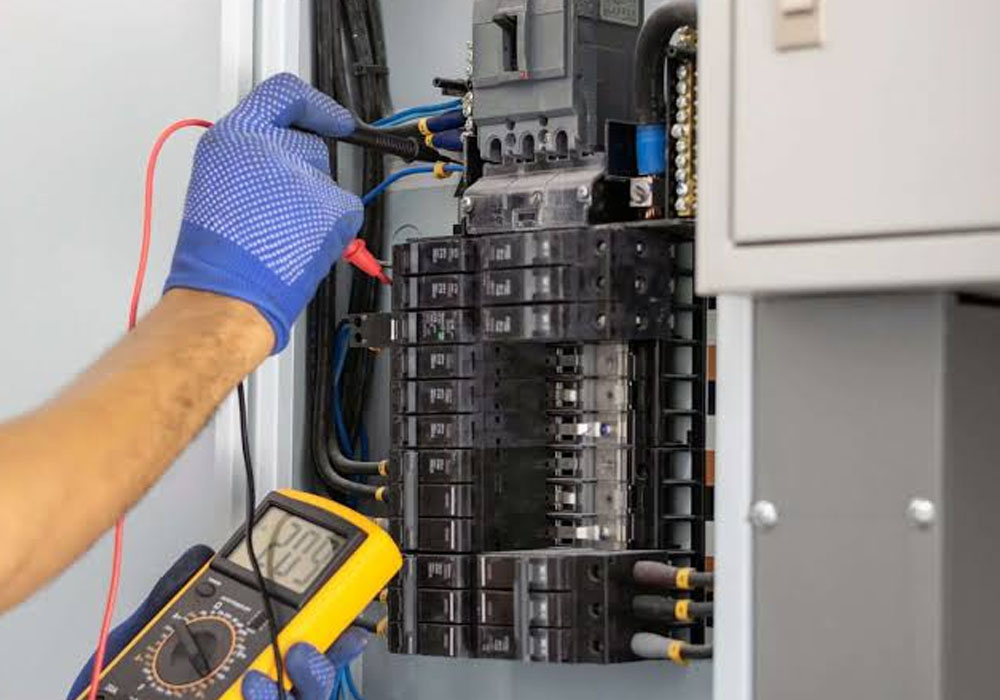
One of the primary reasons to evaluate your electrical system before renovating is the significant shift in how modern households consume electricity. Smart home technologies, solar systems, electric vehicle chargers, and other high-powered appliances place greater demands on existing electrical infrastructure. Connecting these systems to an outdated switchboard can increase safety risks, making an upgrade an important part of any renovation.
A crucial part of this switchboard upgrade involves replacing outdated safety switches. Older properties may contain protection devices that are not designed for many modern electrical appliances. Current electrical safety recommendations encourage homeowners to install modern safety devices that are compatible with today’s technologies and provide improved protection against electrical faults. Addressing this during your renovation helps avoid future upgrades and supports compliance with current safety requirements.
Expanding power capacity is often necessary when adding major modern appliances or high-demand circuits to older properties. Professional electrical panel upgrade services for homeowners can ensure the system handles higher electrical loads safely, preventing tripped breakers and reducing overall safety hazards during major home improvements.
Essential Electrical Improvements for Your Renovation
Once your main power board and regional compliance needs are sorted, you can focus on functional upgrades that enhance daily living and property value. Integrating these enhancements seamlessly into your project is a common theme in many modern home improvement planning guides, especially when redesigning central spaces like kitchens and living rooms.
Consider incorporating the following smart upgrades into your renovation blueprint:
- Hardwired and Interconnected Smoke Alarms: Hardwired smoke alarms provide a more reliable level of protection by reducing dependence on replaceable batteries. Interconnected systems ensure that when one alarm detects smoke, all alarms throughout the home activate simultaneously.
- Dedicated Circuits for Smart Appliances: AI-powered home automation and high-capacity kitchen gadgets draw significant loads. Dedicated circuits prevent tripping and protect sensitive microprocessors from unexpected power surges.
- Future-Proof EV Charging Stations: Even if you do not currently own an electric vehicle, pre-wiring your garage for a Level 2 EV charger adds immense appeal and value to the property.
- Automated LED Lighting Systems: Smart lighting systems are becoming increasingly popular among homeowners of all ages. They enhance convenience, improve home security, and help reduce unnecessary energy consumption.
Leveraging Government Schemes for Financial Support
Many homeowners hesitate to upgrade their electrical systems because of the initial investment involved. Fortunately, government-supported programs may be available to help eligible homeowners improve the energy efficiency of their properties. Exploring these initiatives before starting your renovation can help reduce overall project costs.
Homeowners may also be eligible for additional incentives when installing approved energy-efficient technologies through accredited providers. Checking the latest government energy-efficiency programs before beginning your renovation can help make upgrading your home’s electrical infrastructure more affordable.
Wrapping up, a successful renovation goes far beyond surface-level aesthetics. Taking the time to evaluate and upgrade your underlying electrical infrastructure protects your investment and your family. By addressing outdated switchboards, adhering to environmental standards, and utilising available government rebates, you can build a safer and smarter home that is perfectly equipped for the future.