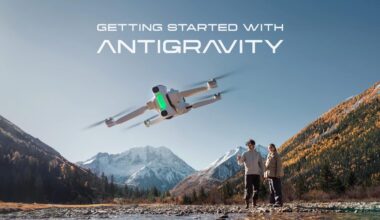
Solar generator vs portable power station is a common comparison because the two terms are often used interchangeably, even though they are not exactly the same, report Oakmont Property Management specialists. Both provide portable electricity without the noise, fumes, or fuel storage required by gas generators. Both can power phones, laptops, lights, small appliances, and other essentials. The real difference lies in how they are charged, packaged, and used over time. A portable power station is the battery-and-inverter unit itself. A solar generator usually refers to that same power station paired with solar panels for renewable charging. Understanding that distinction makes it much easier to compare performance, costs, convenience, and the situations where one setup delivers more practical value than the other.
What Sets a Solar Generator Apart from a Portable Power Station?
Understanding How Each System Works
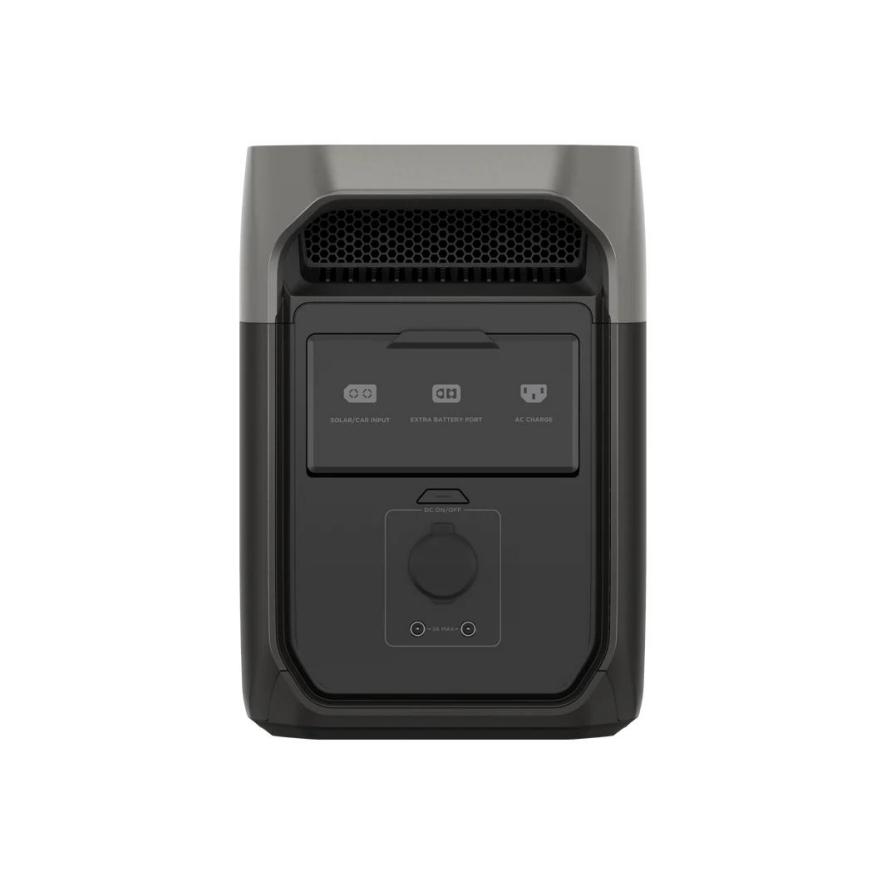
A portable power station stores electricity in an internal battery, then converts that stored energy into usable AC or DC output for devices and appliances. You recharge it from a wall outlet, a vehicle port, and in many cases, solar panels sold separately. A solar generator works the same way at its core, but it is typically purchased or used as an integrated solar-ready package. Solar panels capture sunlight, send power to the station’s charge controller, and refill the battery for later use. That means the output experience is nearly identical, but the charging strategy is different. One relies mainly on pre-charged stored energy, while the other is designed to keep collecting and replenishing power during use.
Core Components and Everyday Applications
Both systems usually include a battery, inverter, battery management system, charge controller, and multiple output ports such as AC outlets, USB ports, and DC connections. A solar generator adds portable solar panels as an essential working component rather than an optional accessory. In daily use, either option can handle phones, routers, cameras, laptops, lights, fans, and small kitchen devices. For apartment dwellers or drivers, a portable power station is often enough for short blackouts, road trips, and mobile work. For cabins, campsites, RV setups, and emergency kits, a solar generator offers more independence because it can recharge away from the grid. The applications overlap, but solar capability expands runtime potential and supports longer stays in off-grid or disrupted conditions.
Comparing Performance, Cost, and Convenience
Battery Capacity, Charging Speed, and Portability
Battery capacity determines how much energy the unit can store, while inverter output determines what it can run at one time. Charging speed matters just as much, especially for home backup or frequent travel, because a faster recharge keeps the system ready between uses. Portable power stations often have an advantage here when plugged into AC power, since many are optimized for rapid wall charging. Portability depends on battery size, housing design, and whether you also need to carry folding panels. A compact station is easy to move from room to room or pack in a car. A solar generator setup is less streamlined but more self-sustaining outdoors. Buyers should match capacity and weight to real needs instead of assuming bigger is always better, especially when mobility matters.
Running Costs, Maintenance, and Long-Term Value
Running costs for both options are low compared with fuel generators because there is no gasoline, oil, or engine servicing involved. A portable power station mainly uses grid electricity for charging, so ongoing costs remain modest. A solar generator can reduce those charging costs further by drawing energy from sunlight, which becomes especially useful during frequent outdoor use or repeated outages. Maintenance is minimal for both: keep the battery within recommended storage conditions, protect ports and cables, and clean solar panels when needed. Long-term value depends on usage habits. If the unit will spend most of its life waiting in a closet for occasional emergencies, a power station alone may offer the best value. If regular off-grid charging is part of the plan, a solar generator provides greater return through energy independence.
Which Option Fits Different Power Needs?
Home Backup, Outdoor Adventures, and Emergency Use
For home backup, a portable power station works well for keeping essentials running during brief interruptions, especially communication devices, lights, and internet equipment. A solar generator is stronger for longer emergencies because it can recharge during daylight and extend available power without relying entirely on the grid. For camping and outdoor travel, the choice depends on trip length. Weekend users may prefer the lighter, simpler power station. Longer trips benefit from a solar generator because it reduces the need to return to a vehicle or outlet for charging. In emergency planning, renewable recharging adds practical security. If the goal is dependable power for more than a few hours, solar capability is usually the better strategic advantage.
Choosing the Right EcoFlow Solar Generator for Your Needs
If you want a system that can shift from home backup to outdoor use, an EcoFlow solar generator is a practical choice because it combines portable power with solar recharging in one flexible setup. The right model depends on what you need to run, how long you need power, and how often you expect to recharge off-grid. Smaller setups suit phones, laptops, lights, and routers. Larger options are better for appliances and extended backup. When comparing models, focus on battery capacity, AC output, charging speed, battery chemistry, available ports, and solar input compatibility. Choose a compact unit for mobility, or a higher-capacity system if resilience and longer runtime matter more than carrying weight.
Conclusion
Choosing between a solar generator vs portable power station ultimately comes down to how and where you plan to use it. If you mainly need reliable backup power for short outages or occasional travel, a portable power station offers a compact, convenient, and cost-effective solution. However, if you want greater energy independence for extended blackouts, off-grid adventures, or locations with limited access to electricity, a solar generator provides the added advantage of renewable recharging and longer-term usability. By considering your power requirements, charging preferences, and budget, you can select a system that delivers dependable performance whenever you need it.