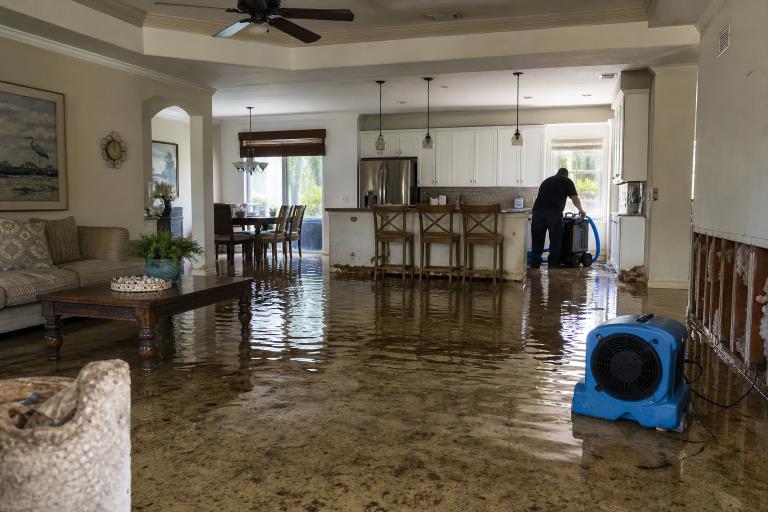
A burst supply line, an overflowing appliance, a roof leak, or a storm intrusion can quickly escalate from a small inconvenience into a larger property problem. Water moves into drywall, flooring, cabinets, insulation, and subfloors long after the visible puddle has been removed. For homeowners in Fort Myers and surrounding Southwest Florida communities, water & fire damage restoration Fort Myers services are available from Mold RX Restoration, a family-owned Cape Coral-based company serving the Fort Myers to Naples corridor. Its team provides emergency water extraction, structural drying, moisture monitoring, mold remediation, and fire and smoke restoration, with active IICRC certifications in water damage restoration and mold remediation. That local focus matters in humid conditions, where a documented drying process can help identify moisture that is easy to miss.
Why Water Damage Needs Fast Action
Porous materials can absorb water within hours. Carpet padding, wood trim, drywall, and insulation may remain damp even after the floor surface feels dry. The EPA recommends drying water-damaged areas within 24 to 48 hours when possible, while keeping indoor humidity low to reduce the chance of mold growth.
First 30 Minutes: Put Safety First
Before moving belongings or starting cleanup, assess the area from a safe distance. Keep children, pets, and visitors away. Do not enter standing water near outlets, appliances, wiring, or an electrical panel. Leave the property and seek professional help if there is smoke, a strong sewage odor, structural movement, or a wet, sagging ceiling.
- Shut off the water supply only if the valve is easy and safe to reach.
- Turn off electricity to the affected area only if you can do so without crossing water.
- Call the utility provider or an electrician if electrical service may need disconnection.
- Take note of the suspected source, such as a pipe, appliance hose, roof opening, or drain backup.
Hours One to Two: Stop Further Damage
Once the area is safe, reduce water spread without creating new hazards. Move small valuables, documents, and lightweight furniture to a dry room. Remove rugs, baskets, and loose belongings, and place foil or plastic blocks beneath furniture legs when practical. Avoid dragging heavy furniture across wet flooring, and never use a standard household vacuum to collect standing water.
Document the Damage Before Cleanup
Take wide photos of each affected room, then capture close-up images of wet materials, stains, damaged belongings, and the apparent water source. Record the date, time, room, visible water level, and any actions taken. Short videos can show the overall condition more clearly than photos alone. Save receipts for emergency supplies, temporary lodging, cleanup, and repairs. Insurance coverage can depend on the water source, policy terms, deductibles, and exclusions. Water entering from an outside flood may be handled differently than a sudden plumbing failure, so report a significant loss promptly and ask the insurer what documentation it needs.
How to Dry a Home in a Humid Climate
Opening every window is not always the best answer. In warm, humid weather, outdoor air can introduce more moisture into the home. For clean-water losses in a safe area, air conditioning, dehumidifiers, and properly placed fans may support drying. The goal is to remove moisture from both materials and indoor air, not simply create airflow. Larger losses often require moisture meters, air movers, commercial dehumidifiers, and regular monitoring. Surface dryness alone does not confirm that wall cavities, flooring layers, or insulation are dry.
Where Hidden Moisture Often Remains
- Behind baseboards and lower drywall sections.
- Under carpet, padding, laminate, and floating floors.
- Inside cabinets, vanities, and appliance alcoves.
- In ceiling cavities after roof or upper-floor leaks.
- Within insulation, wall cavities, crawl spaces, and HVAC closets.
Musty odors, bubbling paint, swollen trim, warped flooring, soft drywall, recurring stains, and condensation can all indicate trapped moisture.
When to Call a Professional Restoration Team
Professional assessment is generally appropriate when water affects more than a small, clean spill. Call for help when water comes from sewage, a drain backup, or an unknown source; reaches electrical components; soaks ceilings, drywall, insulation, or flooring; or follows storm damage. Prompt support is also sensible for vacant homes, commercial spaces, apartments, and properties with shared walls.
What to Expect During Professional Drying
- Inspection:Identifying the source, affected materials, and safety concerns.
- Water removal:Extracting standing water with appropriate pumps or specialized equipment.
- Moisture mapping:Checking behind and beneath finished surfaces for hidden dampness.
- Drying and cleaning:Using controlled airflow, dehumidification, and cleaning methods suited to the water source.
- Monitoring:Taking readings until materials reach an acceptable drying target before repairs begin.
How Mold Risk Changes After Water Damage
Mold risk depends on time, moisture, temperature, and material type. Drywall, carpet, paper-backed materials, and insulation can be especially difficult to restore after prolonged exposure to water. The CDC notes that mold can grow where moisture remains after leaks or flooding, so the lasting solution is to remove the moisture source and address any visible growth. Do not cut into potentially contaminated walls or run fans through an area with sewage or visible mold without proper precautions. A musty odor, new spotting, peeling paint, or irritation that appears after a leak deserves attention.
Cleaning After Flood or Storm Water
Clean water from a supply line is not the same as gray or black water from a drain backup, sewage release, or outdoor flood. Floodwater can carry bacteria, chemicals, debris, and sewage. Wait until authorities say re-entry is safe after a major flood, wear appropriate protective equipment, and avoid treating contaminated water like an ordinary household spill.
Common Mistakes to Avoid
- Waiting several days because the water appears minor.
- Painting over stains before repairing and drying the source area.
- Using bleach as a substitute for removing moisture.
- Discarding belongings before photographing and listing them.
- Assuming a dry floor means walls and insulation are dry.
- Making permanent repairs before confirming the leak or intrusion is resolved.
Questions Homeowners Often Ask
Can a homeowner handle minor water damage on their own?
A small clean spill may be manageable with towels, ventilation, and close observation. Widespread water, hidden moisture, contaminated water, electrical hazards, and structural damage call for professional help.
Should windows be opened after a leak?
Only when the outdoor air is drier than the indoor air, in humid climates, air conditioning and dehumidification are often more effective than open windows.
When is mold remediation needed?
Remediation may be necessary when mold is visible, odors persist, affected porous materials cannot be dried safely, or the moisture source has caused recurring damage.
A Simple 48-Hour Checklist
- Immediately:Protect people, avoid electrical hazards, and stop the source if safe.
- Within two hours:Photograph damage, move small belongings, and notify the insurer if needed.
- Same day:Begin safe extraction and arrange an inspection for major or contaminated losses.
- Within 24 hours:Check walls, floors, cabinets, ceilings, and HVAC-adjacent areas.
- By 48 hours:Confirm materials are dry or arrange removal and remediation for items that are not.
Conclusion
Water damage is easier to control when the response is calm, safe, and prompt. Protect people first, stop the source when possible, document the loss, and focus on complete drying rather than appearances. In humid climates, careful moisture checks can help prevent hidden damage from becoming a long-term repair or mold problem. Acting quickly can also reduce the chance of damage spreading to flooring, walls, insulation, furniture, and other materials. A thorough response should include removing standing water, improving ventilation, monitoring moisture levels, and checking areas that may not be visible during an initial inspection. When damage is extensive or involves contaminated water, professional assessment and specialized drying equipment may be necessary. Taking the right steps early can make the recovery process more manageable and help protect the property over the long term.