Water damage can begin with a small supply-line drip, an overflowing appliance, a roof leak, or a burst pipe, but it can quickly spread to floors, walls, cabinets, and personal belongings. Knowing how to respond on the first day can reduce preventable damage and help you decide when water damage repair is needed.
The right order matters. Put safety first, stop additional water from entering when possible, document what happened, and begin safe drying. Do not rush into a wet room if there may be electrical, structural, or contamination hazards.
Why The First 24 Hours Matter
Water does not stay where it first appears. It can move under baseboards, wick into drywall, soak insulation, swell wood products, and collect beneath flooring. A room may look mostly dry while moisture remains hidden in materials that need attention.
The first hour is about safety and stopping the source. The next 12 hours should focus on documentation, water removal, and airflow. Within 24 to 48 hours, thorough drying becomes especially important because damp conditions can support mold growth.
Make The Area Safe
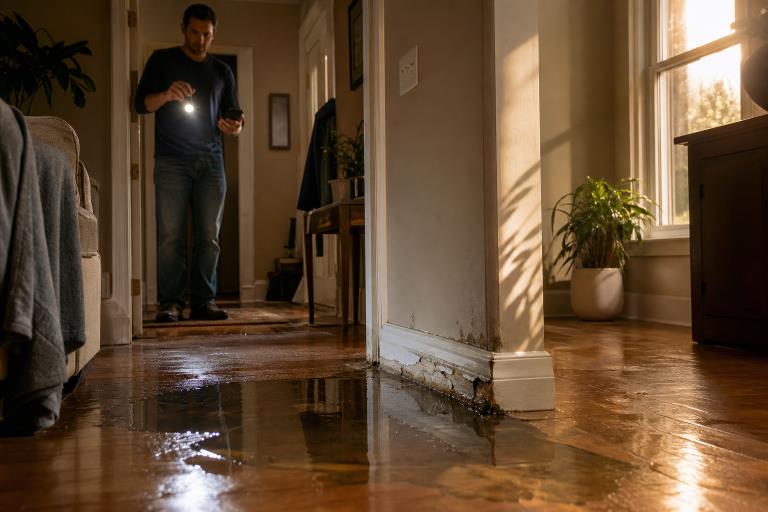
Before stepping into an affected room, look for outlets, power cords, appliances, electrical panels, sagging ceilings, buckled flooring, and signs of unstable walls or ceilings. Keep children and pets away, and leave the property if there is a gas odor or an immediate danger.
Even seemingly minor water leaks deserve prompt attention because moisture can travel into concealed spaces before staining or odors become obvious.
Wear waterproof boots, gloves, and eye protection when conditions call for them. Never walk through standing water if electricity could be active. If flooding has affected the building or contamination is possible, follow the safety steps for reentering a flooded home before beginning cleanup.
Stop The Water Source
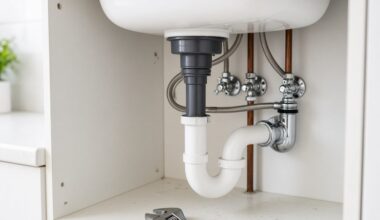
Once the area is safe, stop more water from entering. Close the valve beneath a leaking sink or toilet, turn off the washing machine or dishwasher supply valve, or shut off the main water supply if there’s a burst pipe. Do not touch wet electrical connections or try to move a plugged-in appliance standing in water.
Place a container beneath a small active drip if it can be done safely. For a roof leak, a broken pipe inside a wall, a failed water heater, or an unclear source, contact the appropriate qualified trade instead of guessing at the cause.
Identify The Water Type
Water quality affects every cleanup decision. Clean water may come from a supply pipe or rain entering through a recent roof leak. Water from appliance discharge, drains, or an unknown source can contain contaminants. Sewage backups and outdoor floodwater should be treated as hazardous.
- Clean water:May be manageable in a small area after electrical safety is confirmed.
- Contaminated water:Requires more caution, protective equipment, and careful disposal decisions.
- Sewage or floodwater:Should not be handled as an ordinary do-it-yourself cleanup project.
Document The Damage
Take photos and videos before moving furniture, discarding materials, or making repairs. Capture wide views of each affected room, then take close-ups of water lines, damaged finishes, wet belongings, and the apparent source. Write down when you found the damage and what happened, if known.
Save receipts for emergency supplies, temporary repairs, hotel stays, storage, and equipment rentals. Store your photos, notes, and receipts in cloud storage or send copies to yourself so they remain available if your phone is lost or damaged.
Remove Water And Dry The Area
A mop, towels, a wet-dry vacuum, or a pump may help with a limited amount of clean water after the electrical risk has been addressed. Never use a standard household vacuum to collect water. Avoid lifting heavy furniture alone, and do not tear out drywall, flooring, or insulation without understanding what may be behind it.
Drying requires more than a dry-looking surface. Open windows and doors when outdoor conditions are appropriate, use dehumidifiers in enclosed spaces, and use fans only when they will not spread contaminated air. Do not run a flooded HVAC system until it has been inspected and cleared. Moisture meters or professional evaluation can help confirm whether hidden materials are dry. The EPA recommends drying water-damaged areas and items within 24 to 48 hours when possible.
Protect Belongings
Sort possessions into three groups: items that can be cleaned and dried, items that need specialized review, and items that should be discarded. Lightweight belongings can be moved to a dry space. Place foil, blocks, or plastic barriers under furniture legs when appropriate to reduce staining from wet carpet or flooring.
Photograph electronics, books, artwork, upholstered furniture, and sentimental items before making disposal decisions. Materials exposed to sewage, visible mold, or prolonged saturation may not be safely recoverable, especially porous items that hold moisture and odors.
Contact Insurance Or Management
Notify your insurer as soon as practical, and renters should also contact the owner or property manager. Ask what emergency work is allowed before an inspection, whether damaged items should be retained, and if temporary housing or storage may be covered. Keep a record of claim numbers, calls, emails, and appointments.
When To Call For Professional Help
Trained assistance is appropriate when water reaches outlets, wiring, appliances, HVAC equipment, ceilings, wall cavities, insulation, crawl spaces, or finished flooring. Call for help when the water involves sewage or flooding, several rooms are affected, the floor feels weak, the ceiling sags, a musty odor persists, or drying equipment is needed to control humidity.
Mistakes To Avoid
- Do not enter standing water if electricity may be present.
- Do not turn on wet electronics, appliances, or HVAC equipment.
- Do not paint over stains before identifying and correcting the source of the water.
- Do not assume a surface is dry just because it no longer feels wet.
- Do not delay action while waiting for visible mold to appear.
Ways To Reduce Future Water Damage
Know where the main shutoff valve is and make sure household members can access it. Inspect supply lines, washing machine hoses, water heater connections, gutters, downspouts, and roof areas regularly. Use water alarms near appliances, keep important records backed up, and investigate musty odors, peeling paint, bubbling finishes, or unexplained stains early.
Frequently Asked Questions
How quickly should water damage be addressed?
Begin once the area is safe. Early water removal, documentation, and drying can limit the spread of moisture and reduce the risk of additional material damage.
Can a homeowner handle small water damage?
A small amount of clean water may be manageable if there are no electrical, structural, or contamination concerns. Hidden moisture and larger losses require a more thorough assessment.
Should wet drywall be removed immediately?
Not always. The right decision depends on the type of water, the duration of exposure, the condition of the drywall, and whether the wall cavity can be dried safely and completely.
Can mold grow after the leak is fixed?
Yes. Fixing the source stops new water, but it does not dry moisture already trapped in walls, floors, insulation, or furnishings.
Conclusion
The first day after water damage can be stressful, but a clear sequence helps. Make the area safe, stop the source, document the loss, carefully remove water, and focus on complete drying. When contamination, electrical issues, structural damage, or hidden moisture is involved, getting qualified guidance can protect both the property and everyone inside it.