Most people barely notice their roof until water starts creeping across the ceiling or one room suddenly feels colder for no clear reason. By then, the damage has usually spread further than expected, and the repair bill lands on top of everything else, already draining attention and money.
That situation gets more common in places where the weather changes fast and heat sticks around for months at a time. In Austin, roofs deal with long sun exposure, sudden heavy rain, strong wind, and temperature swings that quietly wear materials down over time. A roof may still look fine from the street while the layers underneath are slowly weakening. That is why long-term durability matters more than appearance alone when people start thinking about replacement.
Understanding the Role of Installation Quality
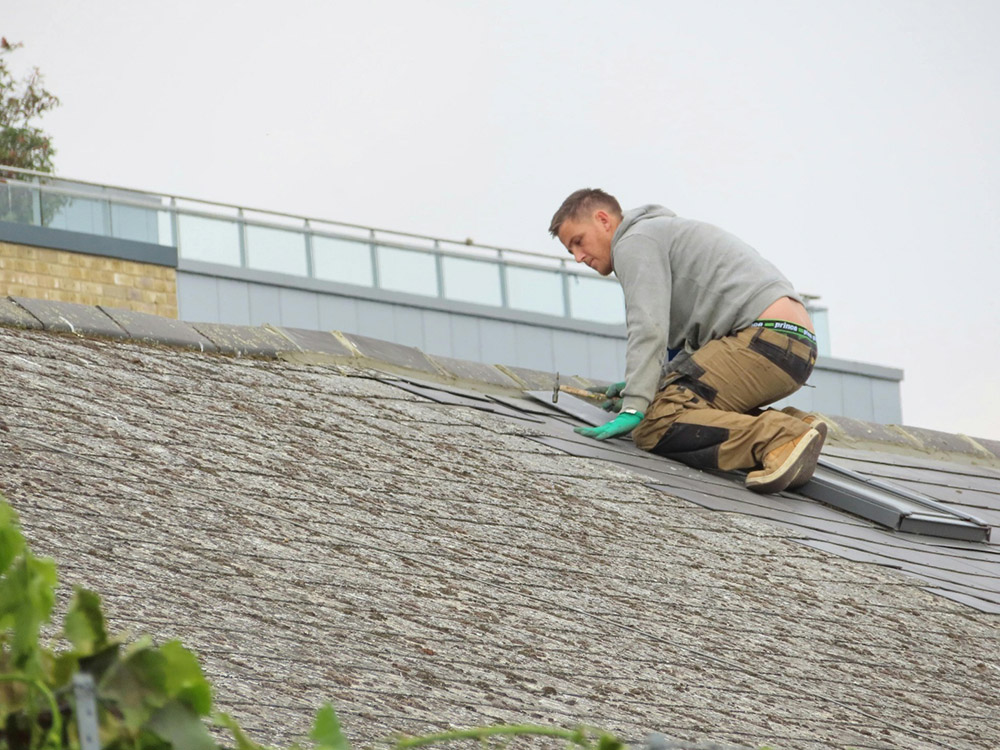
People often spend weeks comparing materials but barely ask questions about the installation crew. That part matters more than most brochures admit. A well-installed roof can outlast expectations even in rough weather conditions, while poor installation shortens the life of almost any product. Nails placed incorrectly, uneven spacing, rushed sealing, or improper underlayment can quietly create weak points from the beginning.
This becomes especially important when homeowners start researching specialty systems designed for longer durability and better weather resistance. Many people spend time reading about warranties and product ratings, but overlook how much workmanship changes the final outcome. That is why homeowners often turn to experienced metal roofing contractors in Austin when looking for something that would last for years, especially in climates where roofs absorb constant heat and sudden storms throughout the year.
Why Roof Lifespan Depends on More Than Materials
A lot of people assume a long-lasting roof comes down to buying expensive shingles or thicker panels, but the material itself is only part of the equation. Installation quality, attic ventilation, moisture control, and even how water drains off the edges all affect how long the system actually survives. Two homes can use the same roofing product and still end up with very different results fifteen years later. That part surprises people sometimes.
The same thing happens with maintenance. Small problems usually stay small for a while, which is why homeowners ignore them longer than they probably should. A cracked flashing near a vent or a loose seal around a chimney does not seem urgent until moisture sits there long enough to damage wood underneath. Then the repair becomes larger, slower, and more expensive. Roofing systems fail gradually before they fail visibly.
Long-Term Costs Usually Matter More Than Upfront Price
The cheapest option rarely stays cheap for very long. That sounds obvious, but people still make roofing decisions under pressure because replacement costs feel overwhelming at first. A lower upfront quote can look attractive until repair calls start happening every few years. Then the savings disappear slowly through maintenance, water damage, insulation problems, and rising energy use.
Long-lasting roofing systems tend to cost more in the beginning because the materials are stronger, heavier, or harder to install correctly. But durability changes the math over time. A roof that lasts thirty or forty years with fewer repairs usually creates less financial stress than one needing constant patchwork. Most homeowners eventually realize they are not really buying shingles or panels. They are buying fewer future problems.
There is also the issue of disruption. Roof work affects daily life more than people expect. Noise starts early, debris shows up around the yard, and schedules get interrupted for days. Nobody wants to repeat that process sooner than necessary. So, durability becomes partly about convenience too, even if people do not phrase it that way.
Ventilation and Moisture Problems Get Ignored Too Often
Roofing conversations usually focus on what people can see from outside, but hidden airflow problems cause a surprising amount of damage over time. Heat trapped inside attics slowly weakens roofing materials from underneath, especially during long summers. Moisture buildup creates another layer of trouble because damp wood and insulation do not dry quickly once ventilation falls behind.
Poor ventilation also affects energy efficiency inside the house. Rooms become harder to cool evenly, HVAC systems work longer, and utility bills quietly rise month after month. Most homeowners blame the weather first because that feels easier to understand, but airflow problems inside the roof system often contribute more than expected.
This is one reason long-lasting roofs are usually planned as complete systems instead of isolated upgrades. Contractors may recommend ventilation improvements, drainage adjustments, or insulation updates alongside the replacement itself. At first, it can feel like upselling, honestly. But many of those changes are connected in ways homeowners only notice later when indoor temperatures stabilize, and moisture problems disappear.
Weather Resistance Matters Differently Now
Storm patterns feel less predictable than they used to. Even areas with historically mild conditions now experience sudden hail, heavier rain, stronger winds, or longer heat waves that stress roofing materials differently. Homeowners who replaced roofs fifteen years ago under older weather expectations may now face conditions their systems were never designed to handle consistently.
That shift changed how people evaluate durability. Impact resistance, water shedding ability, thermal expansion, and UV protection receive more attention because roofs now deal with longer periods of stress across the year. It is not always dramatic damage either. Slow weather exposure often causes more problems than single storms because materials weaken gradually without obvious warning signs.
A durable roof also affects insurance conversations more than before. Some insurers now pay closer attention to roof age, material quality, and maintenance history when determining coverage or premiums. Homeowners do not always think about that during installation, but it becomes relevant later.
Maintenance Still Matters Even with Durable Roofs
A durable roof still needs attention now and then, even if the materials are built to last longer than older systems. Leaves collect in gutters, seals wear down slowly, and storms can loosen things that homeowners never notice from the ground. The difference is that stronger roofing systems usually age in a steadier way, so problems stay smaller and easier to manage instead of turning into sudden, expensive repairs.
That matters because most people already juggle enough unexpected costs around the house. A roof affects more than appearance, too. It changes indoor comfort, energy use, maintenance stress, and how often homeowners end up dealing with frustrating surprises later on.



