Suburban housing built during the 1980s and 1990s expansion has aged into its own distinct stage of life. The brick still looks fine. The roof has been redone once. The kitchen has had a refresh or two. And then there are the windows: still there, still functional in the technical sense, still the same units the original owners signed off on at handover thirty-plus years ago.
If you own a home in this category, you are probably not in a crisis with your windows. You are in something quieter: the slow drift from ‘fine’ to ‘costing you money you do not see’. The right time to act is somewhere before total failure and well after the warranty has expired, which is exactly where most homes in mature suburban neighborhoods sit. Here is what to actually consider before pulling the trigger on a replacement project.
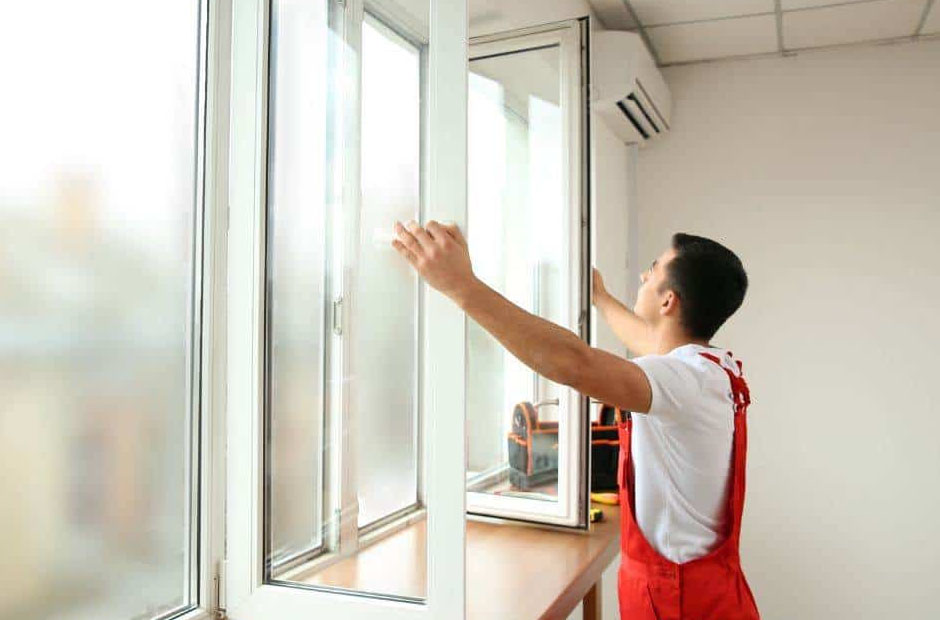
Older suburban homes often have quirks that make window replacement more involved than the brochure suggests, from non-standard rough openings to original framing that needs squaring up before new units go in. Working with Markham window replacement experts who have actually worked on homes in your housing stock gives you a much better starting point than a generic installer reading off a price list. The right contractor will look at your specific situation rather than apply a template.
The math behind why this matters
First, the case for taking this seriously. Natural Resources Canada estimates that windows, doors, and skylights can account for up to 35 percent of total house heat loss when the units are aging or improperly installed. In homes built three decades ago with original double-glazed units, that ceiling is the realistic floor of what you are losing each winter. Newer ENERGY STAR certified windows can cut that loss dramatically, often pulling several hundred dollars per year out of your utility bills.
Sign your original windows are at the end of their service life
A few telltale indicators that the windows on your suburban home are ready to retire:
- Visible fog or condensation between the glass panes. The seal has failed. The insulating gas has escaped. Performance is permanently compromised.
- Drafts you can feel with your hand near the frame. Air infiltration around aging weatherstripping is one of the biggest hidden energy costs in older homes.
- Difficulty opening, closing, or locking. Three decades of seasonal expansion and contraction take their toll on frames, hardware, and seals.
- Visible wood rot at sills or frame edges. Common around south and west-facing windows that get the worst sun and moisture cycling.
- Excessive outside noise. Older glazing units block far less sound than modern multi-pane equivalents with laminated or asymmetrical glass.
Hitting three or more from this list usually means replacement is the better economic call than repeated patches.
What is different about older suburban homes
A few realities to plan around when replacing windows in a home that is several decades old.
Rough openings rarely match modern standard sizes precisely. Builders during the suburban expansion era had some variability in framing practices, and what looks like a standard 30 by 48 inch window opening might actually be 30.5 by 47.75 inches in real life. Custom-built windows that fit the actual opening rather than off-the-shelf sizes are usually the smarter choice for these homes.
Original framing may need attention before new windows go in. Settling, minor moisture damage at sills, and shifted framing all need to be addressed during installation, not papered over. A reputable installer will inspect the rough opening, identify any structural issues, and price the necessary repairs upfront rather than discovering surprises after demolition.
Brick and exterior trim conditions matter. Older brick can chip or crack during careless removal of old windows, especially if the original install used aggressive fasteners or anchors. The right crew works around the brick rather than through it, and finishes the exterior cleanly so your home looks finished, not patched.
How to think about budget and scope
A few practical principles for planning a window replacement project on an older home.
Replace all the windows on the same floor together where budget allows. Doing them one at a time is appealing financially but creates an aesthetic mismatch (older yellowed vinyl next to bright new units) and means you pay setup, removal, and crew costs multiple times. If you must phase, do it by elevation or by floor rather than randomly.
Front and rear elevations matter for resale. North and east-facing rear windows are often the cheapest to upgrade and the highest impact on energy. Front-facing windows, particularly bay windows or large picture units, are the most expensive but also the most visible from the curb. Both deserve planning, not afterthoughts.
Budget for the installation, not just the windows. Cheap installs ruin good windows. A well-built unit installed sloppily will fail the same way an old one did, just on a newer schedule. The labor and proper sealing are where energy performance actually lives or dies.
What to ask your installer
A short list of questions worth asking any contractor before signing:
- What is the warranty on labor and on the windows separately? These are different and should be spelled out clearly. A manufacturer warranty is meaningless if the installer is no longer in business.
- Will you address any rough opening issues before installing? If they say no or get vague, keep shopping.
- What is the projected ENERGY STAR rating of the windows you are quoting? There is a standard. Use it.
- Do you carry commercial liability insurance and WSIB coverage for your crew? Critical for anything that goes wrong on your property.
- Can I see references from homes in similar housing stock? Working on a 1980s detached suburban home is different from working on a downtown semi. Experience with your housing era matters.
The takeaway
Replacing the windows on an older suburban home is one of the few renovations that pays back in real, ongoing dollars rather than just resale appeal. The job is also more involved than picking out a color from a brochure, especially when your housing stock has the quirks that come with three decades of settling and weathering.
Do it once, do it right, and work with installers who actually know how homes in your neighborhood were built. The difference between a good job and an average one shows up in your utility bills, your comfort levels, and how often you think about your windows. The goal is to never think about them again.