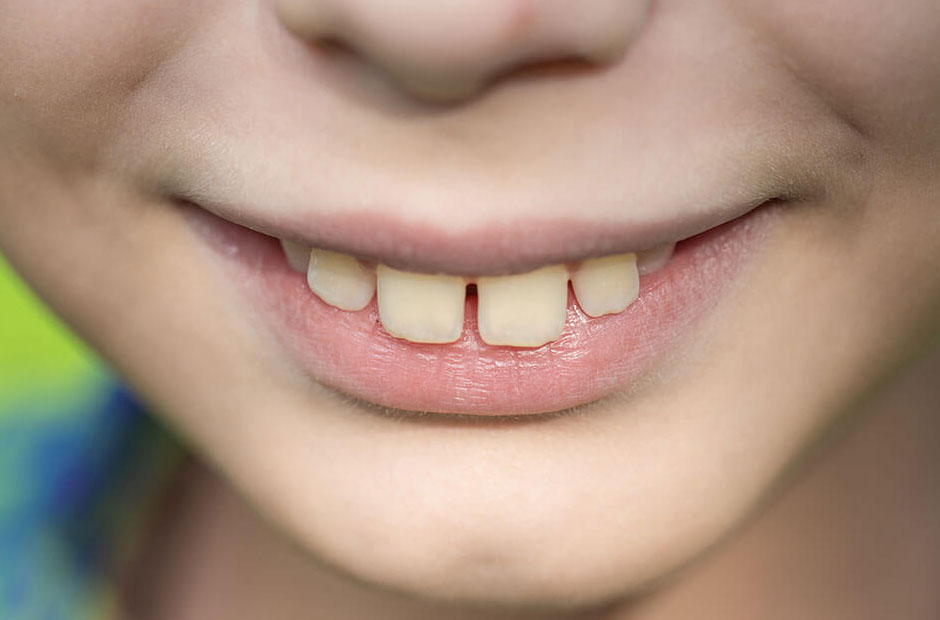
Many people notice an overbite, crossbite, or uneven smile and assume it is cosmetic. Sometimes it is, but the way your teeth meet can also affect comfort, wear, and cleaning. A bite problem may stay subtle for years before it shows up through jaw tension, chipped edges, or chewing that feels off. This article explains the signs, where cosmetic fixes stop, and when clear aligners may fit.
What this covers
- Signs a bite issue is more than cosmetic
- Where cosmetic fixes stop
- When clear aligners may help
A Bite Problem Can Affect Daily Comfort
A bite problem means your upper and lower teeth are not meeting in a balanced way. Sometimes that is obvious in the mirror, and sometimes it shows up only through small daily frustrations. You may notice overlap, a deep overbite, or a habit of chewing more on one side. What looks cosmetic can also be functional.
That is where the issue starts to matter more. Uneven pressure can leave certain teeth doing more work, which may show up as wear, tenderness, or a bite that feels awkward during meals. It can also make some spots harder to clean, especially when crowding or overlap is involved, which is why the malocclusion basics are worth understanding. Public-health and orthodontic sources both frame bite problems as issues that may affect chewing, wear, and oral maintenance rather than appearance alone.
The Early Signs Are Easy to Brush Off
The first signs are often easy to dismiss because they do not always look dramatic. You may notice sensitivity at one edge, a tired jaw in the morning, or a habit of chewing more on one side. Some people also catch themselves biting the inside of a cheek or feeling that their teeth do not settle naturally when they close their mouth. Those clues do not prove one diagnosis, but together they can point to a pattern worth checking.
Habits can make those signs harder to ignore over time. Clenching during stress, grinding at night, and putting off routine care can turn a minor issue into repeated wear, which is why small habits that can quietly damage teeth over time matter more than they first seem. By the time the damage feels visible, the underlying pattern may already have been there for a while.
Cosmetic Fixes Do Not Change the Bite
A nicer-looking smile and a healthier bite are not always the same goal. Whitening, bonding, and veneers can improve color, surface shape, and the way a tooth looks. Those treatments can be very effective when the main concern is cosmetic, especially for staining, small chips, or minor shape irregularities. What they do not do is move teeth into a different functional relationship.
That difference matters when the wear pattern is being caused by the bite itself. A cosmetic solution can hide a worn edge or refresh the front of a tooth, but it does not remove the pressure that created the problem. HouseVanta’s guide to veneers treatment in Peabody is a useful reminder that veneers are designed to improve appearance, not reposition the bite. In many cases, the smarter sequence is to understand the functional issue first, then decide whether cosmetic work still has a role.
Clear Aligners Help Some Cases, Not All
Clear aligners can be a good option in the right situation, but that situation has to be defined first. Some bite problems are mainly about tooth position, while others are tied more closely to jaw structure, older dental work, or a mix of factors. Severity matters, and so does the overall condition of the teeth and gums before any movement begins. That is why professional groups describe braces, aligners, and other tools as case-based adult orthodontic treatment options rather than one universal answer.
For the right patient, aligners may help with crowding, spacing, overbite, underbite, crossbite, and other issues that respond to controlled movement. They can also appeal to adults who want a lower-profile treatment and a plan that fits daily life. A helpful overview of which bite issues clear aligners can treat explains that many cases are manageable, while others may need a different tool or a more complex plan. The key question is whether aligners match the cause and severity of the problem.
A Good Exam Should Clarify Three Things
A proper exam should answer three practical questions before anyone starts thinking about treatment. The first is whether the issue is mostly dental, mostly skeletal, or a blend of both. That distinction often shapes everything that follows.
- What is misaligned?
- What wear, gum issues, or dental work affect the plan?
- What is the realistic path from here?
Second, the exam should look beyond the obvious front teeth. Existing wear, grinding patterns, gum concerns, crowns, fillings, or missing teeth may all change what a sensible plan looks like. A patient who asks for a cosmetic fix may still need a fuller bite evaluation if the visible damage keeps returning.
Third, the path ahead should feel clear rather than vague. That means understanding what improvement is realistic, how long the process may take, and what kind of upkeep matters afterward.
Earlier Action Usually Means Fewer Trade-Offs
Earlier attention often makes the next step simpler. When recurring jaw tightness, uneven wear, or a bite that feels off gets checked sooner, there is usually less guesswork about what caused it and less chance that the damage keeps building.
It also gives you more room to separate function from appearance before choosing a fix. If you want broader reading before a visit, HouseVanta has more oral health explainers that cover related concerns in a practical style. The sooner you understand the pattern, the easier it is to ask better questions and weigh the right kind of care.
Bottom Line
A bite problem can look cosmetic while quietly affecting comfort, wear, and daily function. The best next step is not to guess which treatment sounds most appealing, but to get clear on what is actually causing the issue. Once that is understood, cosmetic care, clear aligners, or another approach can be judged on fit instead of appearance alone.